How to Size Rock Climbing Shoes for the Perfect Fit
To size rock climbing shoes perfectly, start by measuring both feet at the end of the day while standing. Make sure to note the longer foot’s length in centimeters or millimeters. This is important because your feet tend to swell slightly by the end of the day, giving you a more accurate measurement for a snug fit.
Next, compare your measurements to each brand’s sizing chart since sizes and fit vary widely. Keep in mind, leather shoes stretch more than synthetic ones, so you might want to size accordingly.
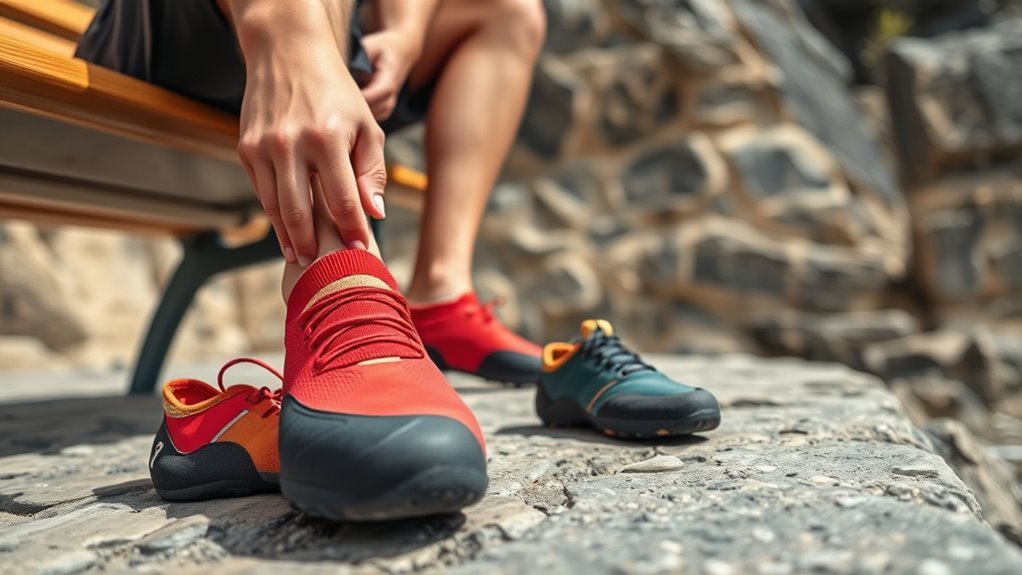
Aim for a snug fit with your toes touching the front but not painfully pressed. Also, ensure the heel feels secure and won’t slip as you climb.
Understanding these steps will help you find your ideal climbing shoe fit. It’s all about comfort and performance, so taking the time to size correctly really pays off. Happy climbing!
Measuring Your Feet Accurately
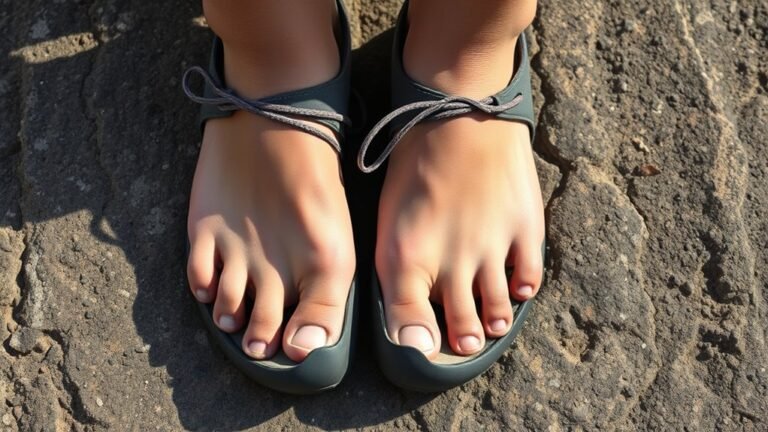
Before choosing your climbing shoes, make sure you measure your feet accurately using a properly scaled printed sizing chart. Start by measuring your foot length from heel to toe while standing upright with your weight evenly distributed.
This position ensures you capture your true foot length for the best fit. Since feet can swell naturally throughout the day, measure them at the end of the day to account for natural swelling.
Don’t forget to measure both feet, as one may be slightly larger; always use the larger measurement when selecting your size. Record your foot measurements in millimeters or centimeters and compare them directly to the size chart provided by the shoe brand.
Accurate measuring like this helps you find climbing shoes that fit comfortably and perform well.
Understanding Climbing Shoe Fit and Sizing Variations
Since climbing shoe sizes vary widely across brands without a universal standard, you’ll need to pay close attention to fit and sizing differences. Understanding climbing shoe fit means recognizing key factors that affect comfort and performance.
Climbing shoe sizes differ widely by brand, so understanding fit nuances is key for comfort and performance.
Leather shoes stretch more—up to 1-2 sizes—while synthetic shoes stretch less than half a size. Choose a snug fit: toes should touch the end without painful pressure or dead space.
Heel fit is essential; it must be tight enough to prevent slipping but not pinch your Achilles tendon. Shoe construction and shoe last (board last vs. slip last) influence how the shoe fits and stretches over time.
Always consult each brand’s shoe sizing chart and consider these sizing variations to find your perfect climbing shoe fit.
Conclusion
Now that you know how to measure your feet accurately and understand the quirks of climbing shoe sizing, you’re ready to find that perfect fit. Remember, the right shoes can make all the difference in your climbing experience.
Don’t settle for discomfort or guesswork—why risk your performance when a properly sized shoe feels like an extension of your foot? Take your time, trust the process, and climb with confidence in shoes that truly fit.
Getting the perfect fit for your rock climbing shoes means better grip, improved control, and less foot fatigue. So, whether you’re bouldering or tackling a multi-pitch, well-sized climbing shoes will boost your performance and enjoyment. Keep these tips in mind, and your climbing shoes will feel like they were made just for you.