Why Do People Die Climbing Mount Everest?
You die on Everest mainly because of altitude sickness and exhaustion. Above 8,000 meters, your body struggles with low oxygen, causing confusion and brain swelling.
Extreme fatigue weakens you, making recovery harder in harsh conditions.
Add deadly weather and overcrowded routes, and the risks multiply. Delays increase your time in the “death zone,” worsening hypoxia and fatigue.
If you want to understand how these dangers combine and what makes Everest so lethal, keep exploring the factors involved.
Key Takeaways
- Altitude sickness causes severe hypoxia, confusion, and fatal cerebral swelling above 8,000 meters without proper acclimatization. It’s really tough on the body up there.
- Extreme exhaustion from physical exertion weakens climbers, which can mess with their judgment and slow them down when they need to get down quickly.
- Overcrowding in the death zone leads to dangerous delays. This makes oxygen deprivation and fatigue even worse.
- Harsh weather conditions, like storms and strong winds, can cause disorientation and keep climbers exposed for too long.
- All these factors—hypoxia, exhaustion, crowding, and bad weather—combine to raise the risk of death. They overwhelm the body and make it harder for climbers to make good decisions.
Why Altitude Sickness and Exhaustion Can Kill You on Everest
Although you might prepare extensively, altitude sickness and exhaustion can quickly overpower you on Everest. Above 8,000 meters, in the death zone, low oxygen levels cause hypoxia, leading to confusion and decision-making impairment.
This severe lack of oxygen can trigger high altitude cerebral oedema (HACE), a dangerous swelling of the brain that can be fatal if untreated. Without proper acclimatization, your risk of altitude sickness skyrockets, and physical exhaustion from the climb further weakens your body.
Exhaustion combined with impaired judgment often makes you underestimate your condition, delaying descent and worsening symptoms. The extreme environment strains your lungs and brain, and if you don’t recognize these warning signs early, exhaustion and HACE can quickly lead to death on Everest.
How Crowds and Bad Weather Make Everest Even More Dangerous
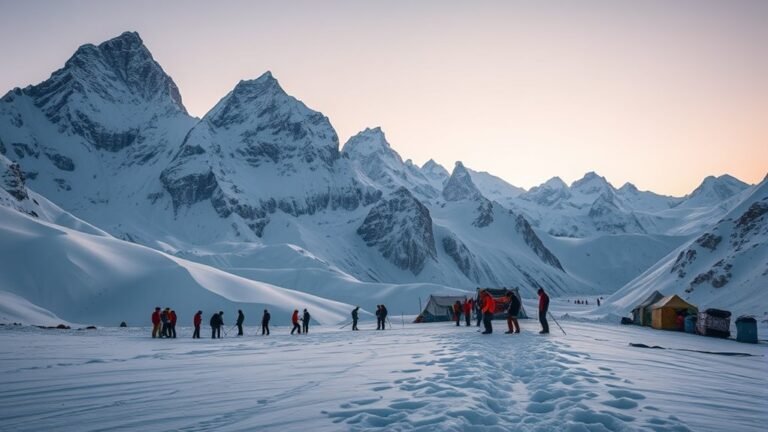
Altitude sickness and exhaustion already push climbers to their limits on Everest, but adding crowds and bad weather dramatically increases the danger. When you face overcrowding, long queues cause delays, forcing you to spend more time in the death zone where hypoxia worsens your condition.
Altitude sickness and crowds turn Everest climbs deadly, as delays in the death zone worsen hypoxia risks.
The crowding raises fatigue and heightens the risk of accidents. Unpredictable weather conditions like storms and strong winds further complicate navigation, turning the climb into a hazardous challenge.
These storms often cause disorientation and force additional delays. With so many climbers on narrow routes, you’re vulnerable to navigation hazards and exhaustion.
The combination of altitude sickness, fatigue, and harsh weather amid overcrowding makes Everest deadly, turning what should be a thrilling ascent into a fight for survival.
Frequently Asked Questions
What Is the Main Cause of Death on Mount Everest?
The main cause of death on Mount Everest is altitude sickness, especially conditions like HACE and HAPE. You’ll face extreme oxygen shortages that can lead to fatal complications if you don’t acclimate properly or use supplemental oxygen.
What Is the 2pm Rule on Mount Everest?
Think of the 2pm rule as your mountain guardian angel—it tells you to turn back by 2:00 PM so you don’t get trapped in deadly weather. You’ve got to respect it to stay safe and alive.
Why Does It Cost $40,000 to Climb Mount Everest?
It costs $40,000 because you’re paying for permits, expert guides, oxygen, equipment, travel, insurance, and support staff. These expenses cover safety, logistics, and training, ensuring you have the best chance to reach the summit successfully.
What Are the Odds of Dying Climbing Mount Everest?
You face about a 1% chance of dying while climbing Mount Everest, or roughly 1 in 100. Even if you reach the summit, there’s a 1 in 20 risk you might not return safely.
Conclusion
If you think climbing Everest is just a tough hike, think again—you’re risking your life in the world’s deadliest playground. Altitude sickness can crush your body like a vice, and exhaustion will drag you into a frozen nightmare.
Add crowds and brutal weather, and you’re not just climbing a mountain—you’re battling a merciless beast. So, if you’re tempted to go, remember: Everest doesn’t just test you, it can swallow you whole.
Death on Everest often comes from a mix of harsh conditions, physical strain, and unpredictable weather. The extreme altitude causes severe health risks like hypoxia and frostbite, while exhaustion and overcrowding make rescue difficult. Understanding these dangers is crucial before attempting this deadly climb. Always respect Everest’s power—because many who try to conquer it end up paying the ultimate price.