How Long Should Climbing Shoes Last?
How long your climbing shoes last depends on several factors like how often you climb, your climbing style, and how well you care for them. Frequent climbing and aggressive moves tend to wear down the rubber faster.
On the other hand, using quality materials and proper maintenance can really extend the life of your shoes.
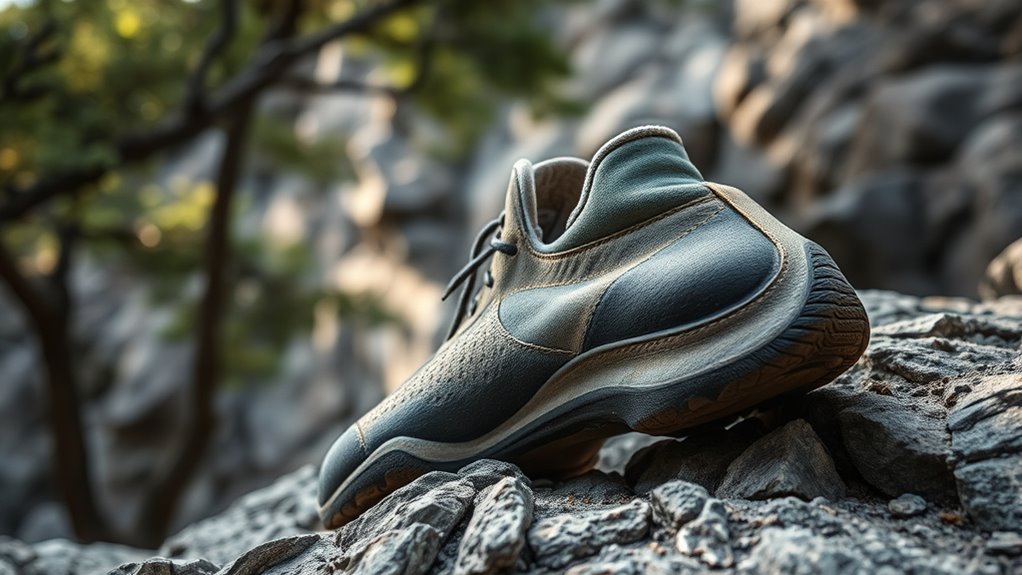
Keep an eye out for thinning soles or holes—these are clear signs it might be time to resole or replace your shoes.
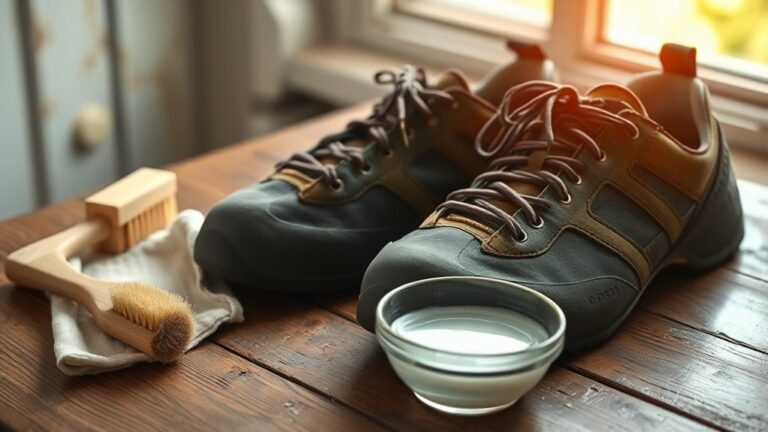
Taking good care of them, like cleaning and storing them properly, can keep them performing longer.
If you want to get the most from your shoes, there’s definitely more to consider beyond just the wear and tear.
Factors Influencing Climbing Shoe Longevity
While the lifespan of climbing shoes depends largely on how often and intensely you climb, several key factors influence their longevity. Climbing frequency plays a big role—more frequent sessions speed up shoe wear, especially on the rubber outsole.
The more often you climb, the faster your climbing shoes will wear, especially the rubber soles.
Aggressive climbing styles increase rubber wear faster, leading to quicker performance decline. The shoe material also affects durability; high-quality rubber and sturdy uppers last longer under stress.
Proper shoe maintenance, like regular resoling and avoiding heat or UV exposure, can extend your climbing shoes’ life considerably. If you keep an eye on rubber wear and address it early with resoling, you’ll preserve grip and comfort.
Ultimately, how well you care for your shoes and the intensity of your climbs will shape your shoe lifespan. So, it’s really about paying attention and giving your shoes a little TLC to get the most out of them.
Signs It’s Time to Replace or Resole Your Climbing Shoes
If you notice the rubber on your climbing shoes wearing through the rand or sole, it’s time to contemplate replacing or resoling them to maintain grip and safety. Inspect your shoes regularly for holes, tears, or delamination—especially in the soles and uppers.
Such damage compromises performance and calls for immediate action. When the outsole rubber thins considerably but hasn’t exposed the rand, consider resoling to extend their life and save money. However, if your shoes feel loose, uncomfortable, or lack sensitivity, it’s better to replace them altogether.
Also, check for broken closures or ripping, which may require resoling or replacement depending on the extent of damage. Staying attentive to these signs ensures your climbing shoes maintain fit, grip, and reliability.
Conclusion
You’ll get the most out of your climbing shoes by paying attention to how they feel and wear over time. Remember, “a stitch in time saves nine”—addressing worn soles or damaged uppers early can save you money and keep your climbs safe.
Don’t wait until your shoes are completely worn out; replace or resole them when you notice signs of wear. That way, you’ll keep climbing comfortably and confidently every time.
Knowing how long climbing shoes should last depends on how often and intensely you climb. Properly maintaining your shoes by watching for wear and tear ensures they perform well and protect your feet. So, keep an eye on your climbing shoes’ condition, and don’t hesitate to resole or replace them when needed. This will help you enjoy safe, comfortable, and effective climbs every time you hit the rock.