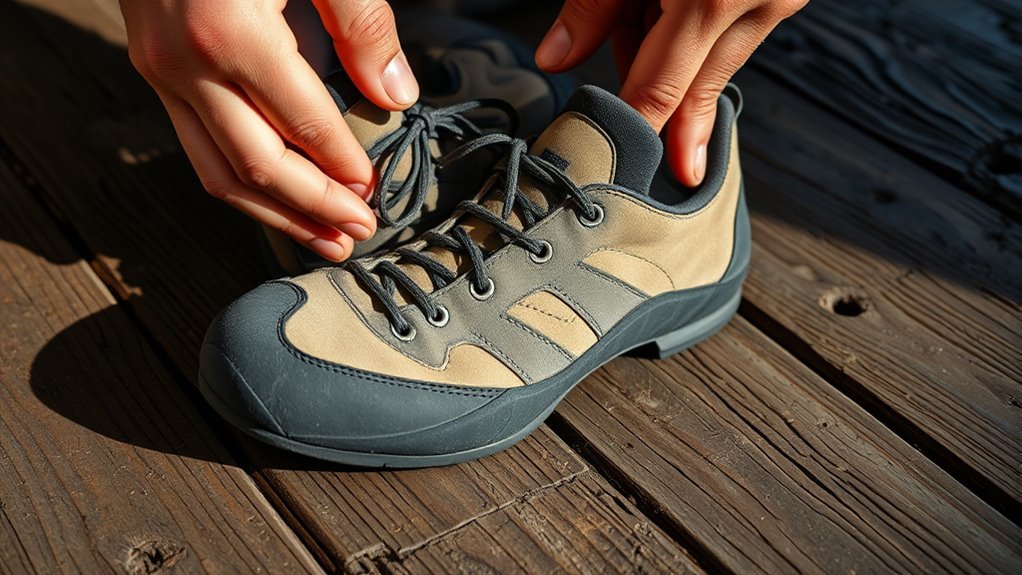
How to Break Climbing Shoes With 3 Essential Tips
To break in your climbing shoes, start by wearing them with socks for short periods around the house. This helps them mold to your feet naturally without causing discomfort. Gradually increase the time you wear them to get used to the fit.
Next, use gentle heat from a hairdryer to soften leather shoes. This makes them easier to stretch without risking damage. Just be careful not to overheat the material.
Finally, stretch your shoes carefully. Avoid aggressive methods that could ruin the fit or the shoe itself.
Always remember to care for your shoes by airing them out after use to keep them fresh. Keep these simple tips in mind, and you’ll soon feel more comfortable on your climbs with properly fitted shoes.
Gradual Wearing and Natural Break-In
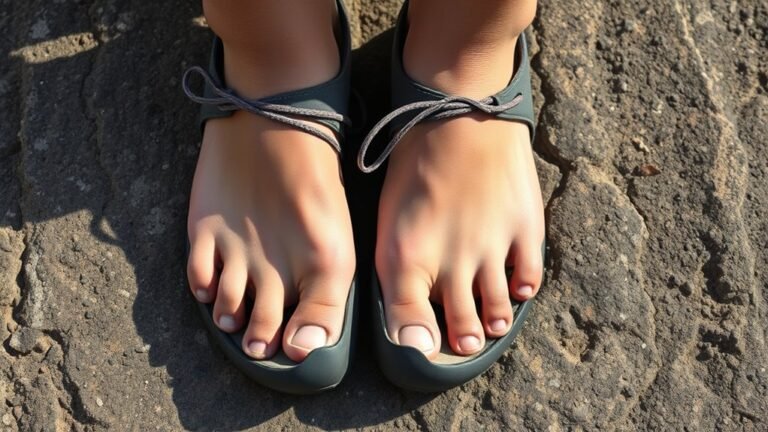
Although it might be tempting to wear your climbing shoes for hours right away, you should start by wearing them around the house for just 1 to 5 minutes. This gradual wear is essential for a natural break-in, especially with leather shoes that need time to stretch and mold to your foot.
Begin the break-in process by wearing the shoes with socks to reduce friction and ease the stretch in the upper and heel areas. Each day, increase duration and frequency carefully, paying attention to comfort and any numbness.
Incorporate light climbing sessions on easy routes to help your climbing shoes adapt without forcing tightness. This approach ensures a comfort fit and avoids aggressive stretching, making your break-in process effective and safe.
Using Heat to Soften and Mold Shoes
Once you’ve spent some time gradually wearing your climbing shoes, you can speed up the break-in process by using heat to soften and mold them.
Applying gentle heat with a hairdryer at around 170-180°F while wearing the shoes helps the material stretch and conform to your foot shape, especially with leather shoes.
This warmth makes them more pliable, easing tightness and improving comfort.
For synthetic shoes, mild heat also aids in softening but be cautious not to overheat, as excessive heat can damage glue and cause delamination.
Alternatively, warming shoes in an oven at low temperature for about five minutes before wearing can help soften them.
Using heat alongside wearing your climbing shoes accelerates the break-in, molding them perfectly to your feet for better performance.
Safe Stretching Techniques and Shoe Care
To stretch your climbing shoes safely, start by gently warming them with a hairdryer on a low setting to soften the material without risking damage. When stretching shoes, avoid aggressive techniques that apply excessive force or extreme heat, as these can weaken shoe materials and cause delamination.
Use careful stretching techniques and perform regular inspection to catch any signs of glue failure early.
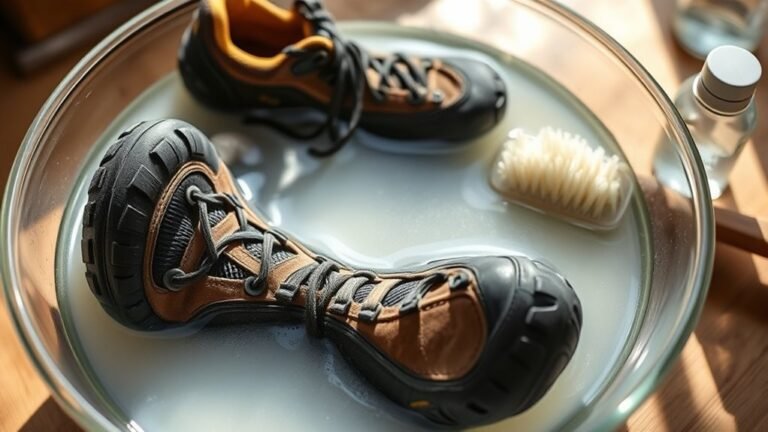
For proper shoe care, always air out shoes after use and store them in a cool, dry place to maintain shape and extend shoe lifespan. Avoid using talcum or dryer sheets; instead, opt for natural odor control products.
Conclusion
Breaking in your climbing shoes properly can boost your performance and comfort on the wall. Did you know that 85% of climbers experience discomfort during their first few climbs with new shoes?
By gradually wearing them, using heat carefully, and applying safe stretching techniques, you’ll mold your shoes perfectly to your feet. Stick with these essential tips, and you’ll enjoy better grip and less pain.
Making sure your climbing shoes fit just right is key to climbing success. With the right breaking-in process, you’ll not only improve your foot support but also enhance your overall climbing experience. So, take your time, follow these proven methods, and get ready for smoother, more enjoyable climbs every time you hit the wall.