What to Wear for Rock Climbing: Top 5 Clothing Essentials
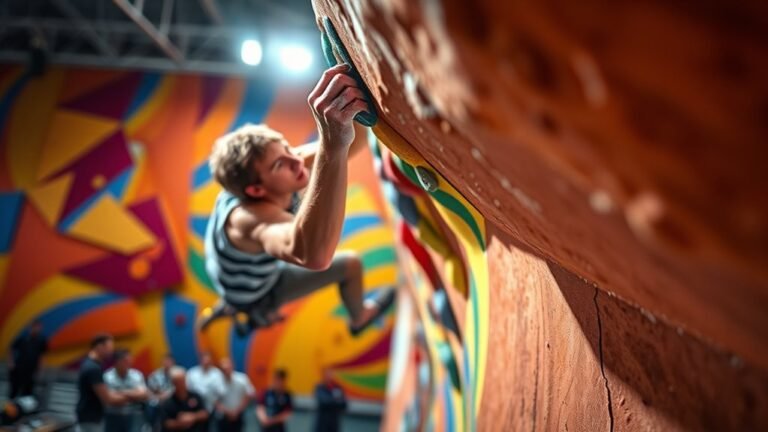
For rock climbing, you’ll want flexible, breathable base layers that wick sweat and won’t restrict movement. These are essential because climbing demands freedom of motion and staying dry helps you stay comfortable all day.
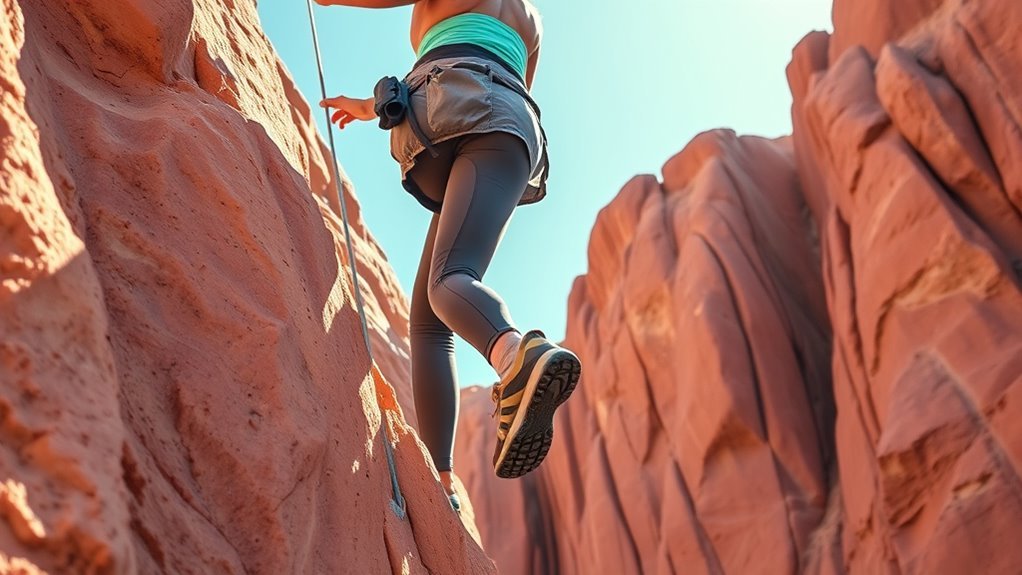
Choose durable, stretchy bottoms like climbing pants or tights with tapered ankles to avoid snagging. Trust me, nothing kills your flow like fabric caught on a rock!
Wear snug-fitting climbing shoes with quality rubber soles for grip. Your shoes are your lifeline on the wall, so make sure they fit well and have good traction.
Don’t forget essential accessories like a well-fitted harness and chalk bag to boost comfort and safety. These little extras make a big difference in your climbing experience.
Layer smartly to handle temperature changes on your climbs. Start with breathable layers and add or remove as needed—this keeps you comfortable no matter the weather.
Keep going, and you’ll find tips to fine-tune your gear for peak performance. Rock climbing is all about finding what works best for you!
Flexible and Breathable Base Layers
When you’re climbing, wearing flexible and breathable base layers makes a huge difference in comfort and performance. Choose moisture-wicking fabrics made from synthetic fibers or lightweight merino wool to keep sweat off your skin and maintain dryness.
Opt for snug-fitting base layers that won’t restrict your movements but allow a full range of motion, essential when reaching or stepping. Look for ergonomic designs featuring ventilation mesh inserts, which boost airflow and prevent overheating during intense climbs.
Lightweight materials ensure you stay comfortable while moving quickly and efficiently indoors or outdoors. Some fabric blends even include HeiQ Fresh technology to reduce odors and enhance breathability for longer sessions.
Durable and Stretchy Bottoms
Although comfort tops your list, you can’t overlook the importance of durable and stretchy bottoms for climbing. Choose climbing pants made from abrasion-resistant, stretchy fabrics like nylon or polyester blends to protect your skin and allow a full range of motion.
Athletic tights offer excellent flexibility and won’t bunch up during high steps or dynamic moves. Look for climbing pants or joggers with tapered ankles to prevent fabric from catching on holds or your harness.
Robust clothing designed specifically for climbing ensures you stay comfortable and protected on challenging routes. Avoid rigid or bulky options like jeans, as they restrict movement and hinder performance.
Choose climbing-specific gear to stay comfortable and agile; avoid stiff, bulky jeans that limit your movement.
Opt for knee-length shorts or flexible bottoms that combine protection with mobility, so you can climb confidently and efficiently.
Proper Climbing Footwear
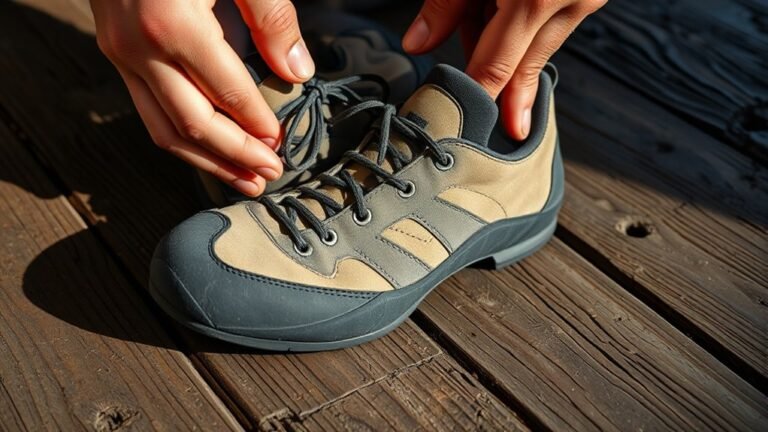
Your choice of climbing footwear directly affects your grip and control on the wall, just as your bottoms influence mobility. Climbing shoes are designed to be snug-fitting, offering maximum friction with their rubber soles.
When you rent climbing shoes at indoor climbing gyms, wear them without socks to ensure the best climbing shoes fit. Proper footwear supports stability, reduces fatigue, and enhances your climbing experience.
Avoid regular sneakers; they lack the specialized features essential for climbing.
| Feature | Importance | Tip |
|---|---|---|
| Snug-fitting | Maximizes grip and control | Should not be painfully tight |
| Rubber soles | Enhances friction | Look for high-quality rubber |
| Rent climbing shoes | Convenient for beginners | Use without socks |
| Proper footwear | Improves performance | Invest in climbing gear |
| Indoor climbing | Requires specific shoes | Use climbing-specific shoes |
Essential Accessories for Comfort and Safety
Since comfort and safety go hand in hand during climbs, equipping yourself with the right accessories makes a big difference.
Alongside your climbing shoes and climbing clothes, these climbing accessories ensure you stay secure and comfortable.
- Climbing harness: Choose one with adjustable straps for a snug fit that won’t restrict movement. It provides essential safety equipment support.
- Climbing chalk and chalk bag: Keep your grip strong and hands dry by carrying a lightweight, durable chalk bag filled with climbing chalk.
- Headband and gear bag: Use a breathable headband to manage sweat and keep hair out of your face. Plus, bring a compact gear bag to carry water, snacks, and extra layers easily.
These essentials complement your climbing shoes and clothes, enhancing your overall climbing experience.
Layering for Temperature Control
When climbing indoors or outdoors, layering lets you quickly adjust your clothing to stay comfortable as temperatures change. Start with a moisture-wicking base layer made from synthetic fabrics or merino wool to keep sweat off your skin.
Layering your climbing clothes helps you stay comfortable by managing sweat and adapting to temperature changes.
Add a mid-layer like fleece or a lightweight insulated jacket for extra warmth during breaks or cooler conditions. Your outer layer should be a waterproof or windproof jacket to shield you from unexpected weather outdoors.
This system of layering in your climbing clothes gives you excellent temperature control, allowing you to add or remove layers as needed. By doing this, you prevent overheating or getting too cold, ensuring comfort and safety throughout your climbing session.
Mastering layering is key to adapting to varying conditions efficiently. It really makes a difference when the weather changes on the fly or when your body heats up during a tough climb.
Conclusion
Choosing what to wear for rock climbing isn’t just about looking the part—it’s about embracing freedom and resilience in every move. By opting for flexible layers and durable bottoms, you’re setting yourself up for success on the wall. Plus, the right footwear makes all the difference when it comes to grip and comfort.
Don’t forget those essential accessories—they quietly guard your safety while enhancing your experience. With thoughtful layering, you’ll softly conquer changing temperatures, making each climb not just a challenge, but a graceful dance with the rock.
In the end, picking the right clothing essentials for rock climbing means balancing comfort, flexibility, and protection. When you wear gear that moves with you and stands up to wear and tear, you boost your confidence and performance. So, embrace those breathable fabrics, sturdy bottoms, and reliable shoes—they’re the key to your next successful climb.