How Tight Should Climbing Shoes Be for the Best Fit
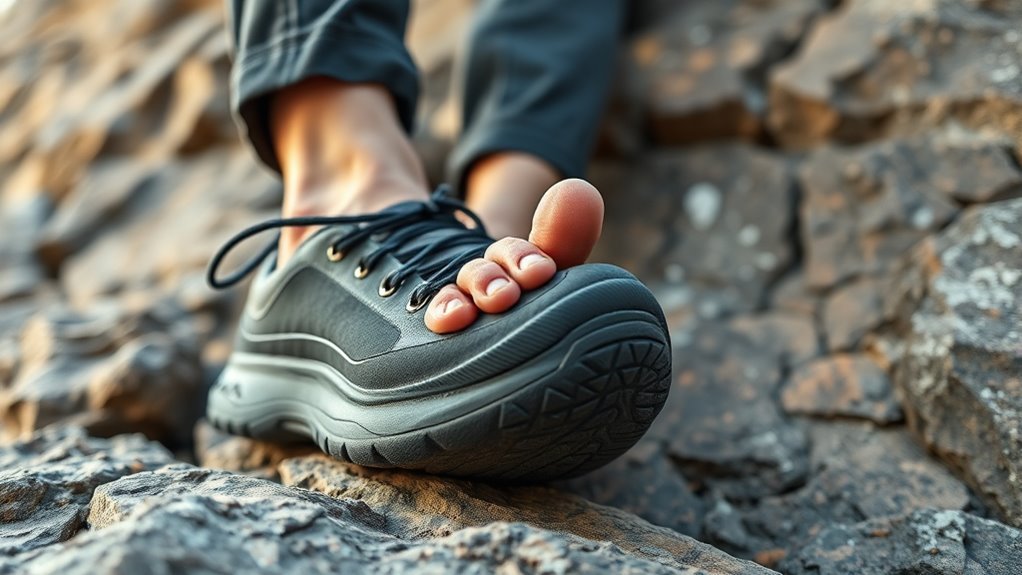
You want your climbing shoes snug enough to provide precise foot support without causing pain or numbness. Finding the right fit is crucial because it affects both your performance and comfort. Your toes should be able to curl slightly, which helps with grip and sensitivity on the rock.
Keep in mind that leather shoes stretch over time, so it’s smart to start with a fit that’s a bit tighter. On the other hand, synthetic shoes tend to hold their shape better and won’t stretch as much.
Also, think about your climbing style—bouldering shoes are usually tighter to maximize control, while trad shoes offer more comfort for longer climbs.
Understanding these details can really help you find your perfect fit and get the most out of your climbing experience.
Finding the Perfect Balance Between Tightness and Comfort
Although you want your climbing shoes to feel snug for precise footwork, they shouldn’t cause pain or numbness. Finding the perfect balance between tightness and comfort means choosing a proper fit that supports your foot shape without cramming your toes painfully.
Your shoe size should allow your toes to curl slightly inside the shoe, providing solid foot support while staying pain-free. Keep in mind that leather climbing shoes tend to stretch over time, so an initially snug fit will loosen with use.
Avoid shoes that are too tight, as excessive tightness can lead to long-term issues like nerve damage or bunions. It’s really important to prioritize comfort alongside a snug fit so your climbing shoes enhance your performance without compromising your foot health.
Factors That Influence the Ideal Fit of Climbing Shoes
When choosing climbing shoes, you need to contemplate several factors that influence the ideal fit beyond just size. The material—leather or synthetic—affects how much your shoes will stretch over time, so you might size down more with leather for a snug fit.
Your climbing style also matters; aggressive shoes used for bouldering demand a tighter fit for precision, while trad climbing calls for more comfort and a slightly looser feel. Foot shape plays a pivotal role, making trial fitting essential to find the brand and model that suit you best.
Additionally, stiffer shoes often require a less tight fit for comfort, whereas flexible shoes need to be snugger. Considering these elements helps you balance stretch, comfort, and performance for the best fit.
Conclusion
Finding the perfect fit for your climbing shoes is all about balancing tightness and comfort—you want them snug enough to perform but not so tight they hurt.
*Curiously*, the ideal fit often coincides with your foot’s natural shape and the type of climbing you do.
So, don’t just chase tightness; listen to your feet.
When comfort and snugness align, you’ll not only climb better but enjoy every step on the wall.
In short, the best climbing shoes fit should feel tight without causing pain. A snug fit improves your control and precision on the rock, but too much tightness can lead to discomfort or injury. Remember, the goal is to have climbing shoes that match your foot’s shape and support your climbing style, whether that’s bouldering, sport climbing, or trad. Prioritize comfort alongside tightness for the best fit, and you’ll find climbing more enjoyable and efficient.