10 Essentials to Wear at a Rock Climbing Gym
At the rock climbing gym, it’s essential to wear flexible, breathable tops and stretchy, durable bottoms. This helps you move freely and avoid any snagging while you climb.
Snug climbing shoes with good traction are a must, plus choosing moisture-wicking fabrics will keep you dry and comfortable throughout your session.
Managing long hair with secure ties or headbands is also a smart move. Don’t forget to bring a chalk bag to keep your grip strong and steady.
Avoid baggy or restrictive clothing that limits your motion — you want to feel unrestricted and ready to tackle any route.
Lastly, keep your gear clean and well-maintained to perform your best every time. Stick around for more tips that can boost your climbing success!
Flexible and Breathable Tops
When you climb, wearing flexible and breathable tops helps you stay comfortable and move freely. Opt for fitted tops made from moisture-wicking fabrics like nylon or polyester blends to keep sweat at bay and regulate your body temperature.
Choose fitted, breathable tops with moisture-wicking fabrics to stay comfortable and cool while climbing.
Breathable T-shirts or technical tanks with stretchy fabrics allow you to reach holds without restriction. Avoid loose or baggy shirts since they might snag on climbing holds or block your view of foot placements.
Sleeveless or racerback designs are great because they offer excellent ventilation and unrestricted shoulder mobility, vital for overhanging routes. Prioritizing these features ensures you stay dry, cool, and agile throughout your session.
That way, your climbing experience becomes safer and way more enjoyable.
Stretchy and Durable Bottoms
Although you might be tempted to wear any comfortable pants, choosing stretchy and durable bottoms is essential for climbing at the gym. Opt for stretchy fabrics like nylon or polyester that provide the flexibility you need to tackle high steps, lunges, and dynamic moves without restriction.
Durable bottoms protect you from tears and abrasions caused by rough holds and wall surfaces, ensuring safety and longer-lasting gear. Slim-fitting bottoms, such as leggings or tapered joggers, reduce the risk of snagging on holds or harnesses, letting you focus on your climb without interruptions.
Many climbers prefer bottoms with elasticized cuffs to keep them securely in place during complex maneuvers. By selecting the right stretchy and durable bottoms, you’ll maximize your climbing performance and comfort every session.
Proper Climbing Shoes
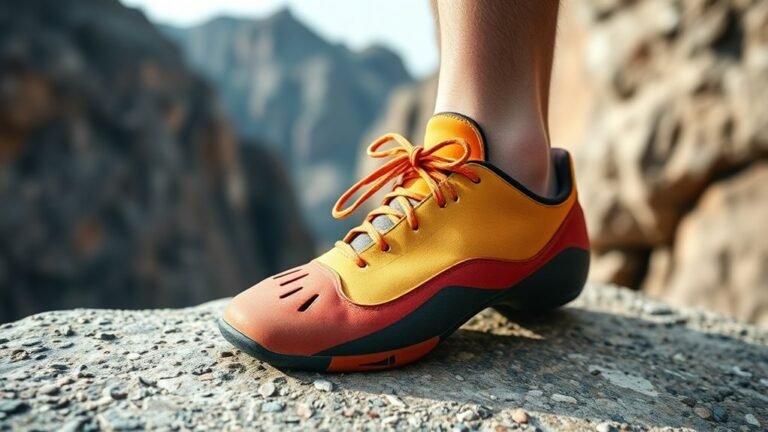
Because climbing shoes play a crucial role in your grip and control, you’ll want them to fit snugly with toes flat or slightly curled. Snug-fitting climbing shoes help you maintain precision on holds and improve your overall performance.
When starting out, rent climbing shoes for indoor climbing at the gym to find the right size and style before buying your own. Climbing shoes are designed to provide specialized traction through their rubber soles, essential for secure footing on various surfaces.
While they’re usually worn without socks, you can opt for thin socks if you prefer. Properly fitted climbing shoes reduce foot fatigue during long sessions, making your climbs more comfortable and effective.
Moisture-Wicking Fabrics
If you want to stay comfortable and focused during your climb, choosing moisture-wicking fabrics is essential. These materials pull sweat away from your skin, keeping you dry and preventing the clammy feeling that can distract you.
Commonly found in climbing apparel made from polyester, nylon, or technical blends, moisture-wicking climbing clothes dry quickly, so you won’t feel cold or irritated after exertion. Wearing quick-drying fabrics also helps reduce chafing and skin irritation caused by damp clothing.
Besides comfort, moisture-wicking fabrics support your grip and concentration during long climbing sessions. When selecting climbing apparel, prioritize these breathable, moisture-managing fabrics to ensure you stay comfortable and perform your best every time you hit the gym.
Layering Options for Temperature Control
You’ll want to start with a lightweight base layer that keeps sweat off your skin. Then, bring removable outerwear like a zip-up hoodie to adjust as the gym temperature changes.
This way, you can stay comfortable without restricting your movement during climbs. It’s all about layering smart so you can focus on your workout and not the weather.
Lightweight Base Layers
When climbing indoors, choosing lightweight base layers made from moisture-wicking fabrics helps you regulate body temperature and keeps sweat off your skin. These base layers are designed with stretchable, quick-drying fabrics that move with you, ensuring comfort and mobility during every climb.
Wearing thin, breathable materials lets you adjust easily to indoor temperature changes, so you won’t overheat or feel chilled. Moisture-wicking base layers also prevent chafing and skin irritation by pulling sweat away from your body.
Whether you opt for fitted tanks or long-sleeve shirts, these layers provide warmth during warm-ups or rest periods without restricting your movement. Prioritizing quality base layers keeps you comfortable and focused, making your indoor climbing sessions more enjoyable and effective.
Removable Outerwear Options
Although indoor climbing gyms often maintain stable temperatures, you’ll want removable outerwear like a lightweight zip-up hoodie or jacket to easily adapt as you warm up or cool down. Layering with moisture-wicking base layers paired with breathable, packable outerwear helps optimize temperature regulation during your session.
Choose removable outerwear that’s light and non-bulky to avoid restricting your movement or adding unnecessary weight. Clip-on or easily storable options let you quickly shed layers between climbs, keeping you comfortable without compromising safety or mobility.
This approach to layering not only improves your climbing experience but also ensures you stay dry and cool. You can adjust effortlessly to your body’s changing needs in the gym environment.
Adjusting for Gym Climate
Since indoor climbing gyms can experience temperature shifts throughout your session, layering lightweight, breathable clothing helps you stay comfortable. Start with moisture-wicking shirts to manage sweat and keep your skin dry.
Add thin jackets or zip-up hoodies that you can easily remove or put on as the temperature changes. These layers provide warmth during rest without restricting your movements.
Carry a small, packable jacket or an additional light layer so you can adapt quickly if the gym gets cooler. Pay close attention to how your body feels; if you start feeling too warm or cold, adjust your layers promptly.
Minimal and Secure Accessories
To keep your climbing experience safe and efficient, you’ll want to choose minimal and secure accessories that won’t get in the way. Carry a lightweight chalk bag with a secure attachment to your harness or waist to avoid dropping it mid-climb.
Stick to minimal accessories to maintain climbing safety—avoid bulky or loose items that can snag on holds or equipment. Jewelry safety is vital; rings, necklaces, and other adornments can catch on ropes or grips, increasing injury risk, so it’s best to leave them at home.
Opt for streamlined gear that enhances comfort without adding weight or distraction. By keeping your accessories simple and secure, you guarantee better focus, freedom of movement, and a safer, more enjoyable climb every time.
Hair Management Solutions
You’ll want to secure your hair with a tie or braid to keep it from falling into your face or snagging on holds. Using a headband can help absorb sweat and keep stray strands out of your eyes for better focus.
Avoid loose hairstyles that might distract you or get in the way during your climb. It’s all about keeping your hair managed so you can concentrate on the climb itself.
Hair Tie Importance
Although long hair adds to your style, securing it with a tight, moisture-wicking hair tie is essential to keep it from blocking your view or getting caught during climbs.
A proper hair tie keeps your long hair neatly contained, preventing it from interfering with your climbing movements. When you use a secure hair tie, you reduce distractions, allowing you to focus fully on your holds and technique.
Avoid metal or jewelry-based accessories that could snag on holds or damage equipment. Also, check your hair tie regularly—worn-out ties can slip mid-climb, causing frustrating interruptions.
Choosing the right hair tie guarantees your hair stays put, helping you maintain concentration and climb safely without unnecessary interruptions or risks.
Headbands for Sweat
Keeping your hair secured is just one part of staying comfortable while climbing. Headbands play a key role in hair management by providing effective sweat absorption and keeping sweat from dripping into your eyes.
Choosing headbands made from moisture-wicking, breathable fabrics ensures you stay dry and comfortable throughout your session. These materials help pull moisture away from your skin, preventing discomfort and distractions.
Make sure to secure your headband snugly so it won’t slip or shift during dynamic moves. Besides sweat control, headbands help keep long hair tied back, reducing distractions and safety risks.
Using a quality headband not only improves your focus but also enhances your overall climbing experience by managing sweat and hair efficiently. It’s a small gear upgrade that makes a big difference!
Managing Loose Strands
When you secure your long hair with a tight ponytail or braid, you prevent strands from falling into your face and blocking your vision during climbs. Use hair ties with a non-slip grip to keep your hair firmly in place, even during intense movements or heavy sweating.
Avoid loose strands by steering clear of decorative or dangling hair accessories that might catch on holds or gear, posing safety risks. Consider wearing a moisture-wicking headband to absorb sweat and hold stray hairs back without creating loose strands.
Regularly trimming split ends helps reduce breakage and tangling, making your hair easier to manage while climbing. With these hair management solutions, you’ll stay focused and safe on the wall without distractions from your hair.
Chalk and Chalk Bags
Since your grip plays a crucial role in rock climbing, using chalk can make a significant difference by absorbing sweat and reducing slips. Chalk improves your grip by managing moisture, which helps you hold onto holds more securely.
Chalk enhances your rock climbing grip by absorbing sweat and minimizing slips for better hold control.
Chalk bags are essential climbing gear that keep your chalk accessible and mess-free. Designed to attach easily to your harness or waist belt, these bags let you reapply chalk quickly during climbs.
Many climbers prefer using personal chalk bags to control the type and cleanliness of their chalk, avoiding shared contamination. Liquid chalk offers a dust-free option with longer-lasting grip.
To maintain the best grip performance and hygiene, make sure to regularly refill and clean your chalk bags before hitting the gym for your next session.
Avoiding Restrictive or Baggy Clothing
Although it might seem convenient, wearing restrictive or baggy clothing can seriously hinder your climbing performance and safety.
Restrictive clothing limits your range of motion, making moves harder and less fluid. Baggy clothing, on the other hand, poses safety risks by snagging on holds or gear and interfering with harness fit.
Both affect how well you can see and plan your moves. Choosing well-fitting, flexible clothes allows you unrestricted movement and reduces accidents.
| Clothing Type | Impact on Climbing |
|---|---|
| Restrictive | Limits range of motion |
| Baggy | Increases safety risks |
| Loose fabric | Obstructs view of holds |
| Poor fit | Compromises harness safety |
Footwear Hygiene and Care
Choosing the right clothes sets the foundation, but your climbing shoes play an equally important role in both performance and hygiene. While climbing shoes are designed to be worn without socks, wearing low-thin socks can boost comfort and shoe hygiene.
Climbing shoes impact performance and hygiene—consider low-thin socks for added comfort and cleanliness.
Always use dedicated climbing shoes indoors and avoid wearing them outside to prevent dirt and germs from spreading. Don’t wear climbing shoes in restrooms or unrelated public places to minimize contamination.
Regularly clean shoes and inspect them for wear, especially thinning rubber, to keep your grip sharp and maintain shoe care. Store your climbing shoes in a clean, dry place, and never share them to reduce the risk of fungal or bacterial infections.
Proper footwear hygiene and care keep you climbing safely and comfortably. So, take good care of your shoes—they’re just as important as your climbing skills!
Conclusion
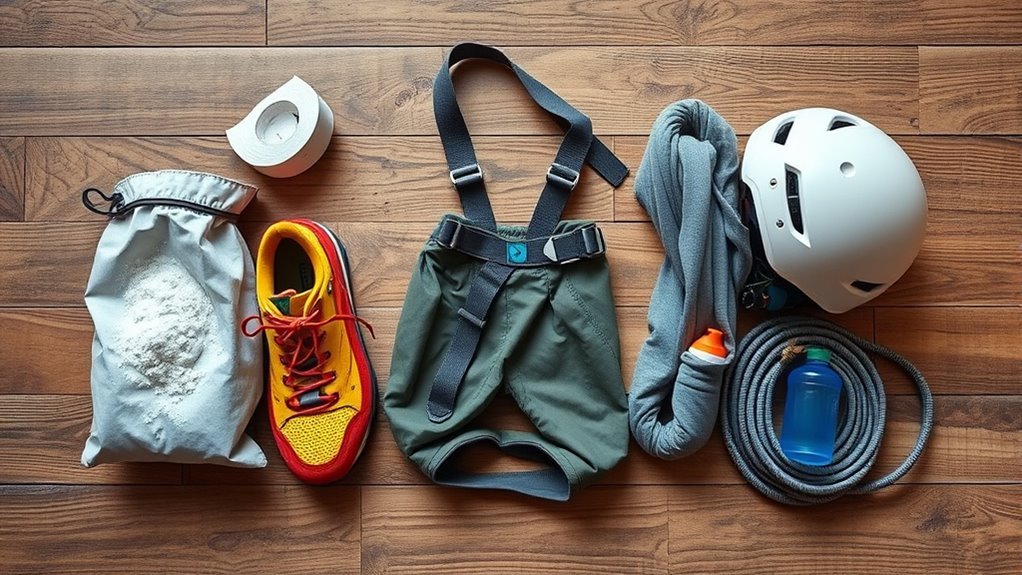
Now that you know the 10 essentials to wear at a rock climbing gym, you’re set to climb with comfort and confidence. Remember, “well begun is half done”—starting with the right gear makes all the difference.
Choose flexible, breathable clothing, proper shoes, and manage your hair and chalk wisely. Avoid anything restrictive or baggy, and don’t forget foot hygiene.
With these tips, you’ll focus on your climb, not your outfit. Wearing the right climbing gym attire helps you move freely and stay comfortable, making your climbing experience enjoyable and safe. So gear up smartly and get ready to reach new heights!