Do You Wear Socks With Rock Climbing Shoes?
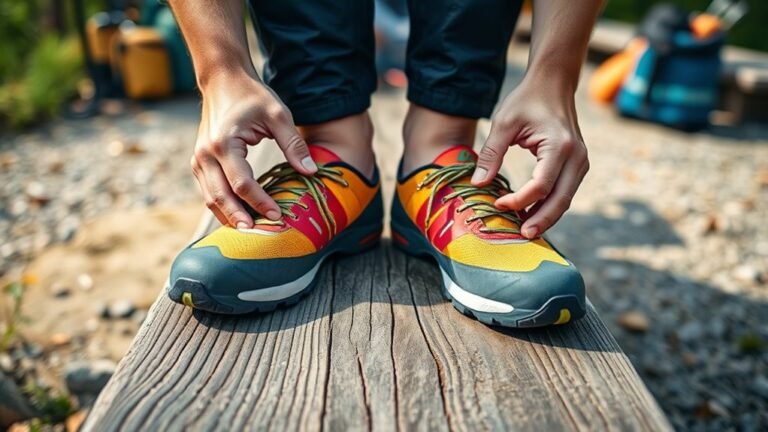
You can wear socks with rock climbing shoes to boost comfort and keep your feet cleaner, especially if you share or rent shoes. Wearing socks can help reduce odor and prevent blisters, making your climbing experience more pleasant.
However, socks add extra space inside the shoe, which can reduce fit precision and lessen your sensitivity and control on technical moves. This might impact performance, especially in tight, aggressive shoes designed for bare feet.
If you want to understand how socks influence your climbing experience, there’s more to contemplate. It’s all about balancing comfort with performance and deciding what works best for your climbing style and shoe fit.
Pros and Cons of Wearing Socks With Climbing Shoes
Although most climbing shoes are designed to be worn without socks for maximum sensitivity and fit, you might choose to wear socks to improve foot hygiene and reduce odor, especially when using shared or rental shoes. Socks help keep your feet cleaner and minimize unpleasant smells, which is a big plus for comfort and hygiene.
However, wearing socks can affect the performance of your climbing shoes by lessening sensitivity and precision. The added layer can cause slippage inside tight shoes, especially during aggressive moves or heel hooks, which might hinder your control.
Ultimately, whether you wear socks depends on your personal preference, balancing comfort and foot health against the ideal fit and feel climbing shoes are designed to provide. It’s all about what works best for you!
How Socks Affect Fit, Performance, and Comfort
When you wear socks with climbing shoes, you add an extra layer that can change how the shoe fits and feels. Socks often create extra space inside, reducing fit precision and sensitivity. This can affect your performance on small holds.
In snug, aggressive climbing shoes designed for sockless use, socks may cause slippage or looseness. That can really compromise your control.
While socks can increase comfort by cushioning your feet, thick or high-leg socks may interfere with the shoe’s intended fit and diminish grip.
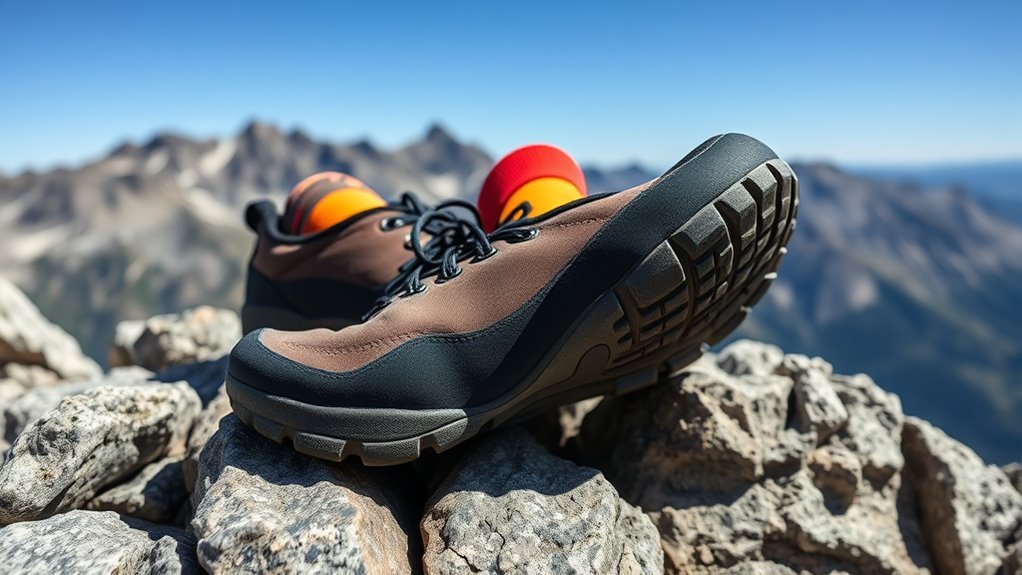
Going sockless enhances direct contact between your foot and shoe. This improves feel and responsiveness.
Ultimately, socks impact the fit, performance, and comfort of climbing shoes. So, consider how much sensitivity and snugness you want before deciding whether to wear them.
Conclusion
You might think wearing socks with climbing shoes is a no-go, but sometimes it’s just what your feet need. Socks can soften the fit and keep things comfy, yet they might also dull your grip or make your shoes feel loose.
It’s funny how the very thing that seems to slow you down can sometimes push you forward. So, try both ways—you’ll discover what truly helps you climb your best.
When it comes to wearing socks with rock climbing shoes, it really boils down to personal preference and the type of climb. Some climbers prefer the snug, barefoot feel for maximum sensitivity and grip, while others opt for socks to avoid blisters and add cushioning. Ultimately, experimenting with socks or no socks will help you find the perfect balance between comfort and performance on your next climbing adventure.