Is Rock Climbing Hard?
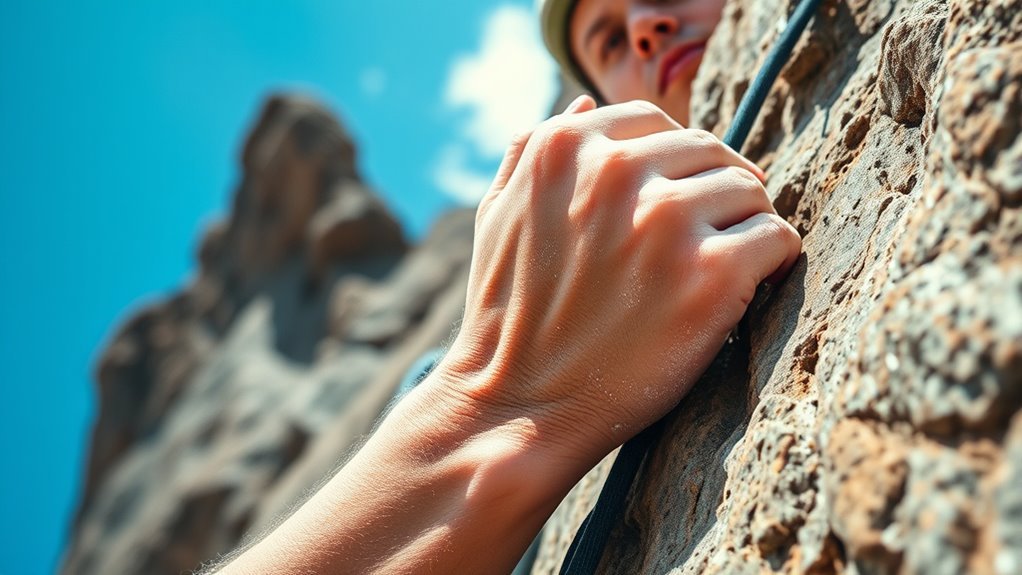
You might find rock climbing challenging at first because it demands grip strength, good body positioning, and mental focus. It’s not just about pulling yourself up; you need to think about every move.
Routes vary in difficulty, with beginner paths generally graded 5.5 to 5.9, using bigger holds and less overhang.
Over time, using proper techniques like keeping hips close to the wall and pushing with your legs makes climbing easier. It’s all about learning how to move smarter, not just harder.
Plus, external factors like weather and your confidence level also play a role.
Keep going to discover tips that help you climb more smoothly and confidently. Once you get the hang of it, rock climbing can be a super rewarding and fun challenge!
Factors That Influence Rock Climbing Difficulty
Although rock climbing difficulty depends on many factors, understanding them can help you prepare better for each climb. Route grades, like those from 5.5 to 5.9 for beginners, give you an idea of the challenge ahead.
Your grip strength and body positioning play vital roles in managing the physical factors of climbing routes. Route features such as overhangs, small holds, and rock texture directly affect how tough a climb feels.
Beyond physical challenges, mental factors like fear or confidence considerably influence your climbing difficulty. Even with solid climbing skill, external conditions and route cleanliness can add complexity.
Tips to Make Rock Climbing Easier for Beginners
Understanding the factors that influence rock climbing difficulty helps you tackle climbs more effectively. Start with beginner routes graded 5.5 to 5.9 or color-coded paths to build confidence and master basic climbing techniques.
Starting with beginner routes and understanding difficulty boosts confidence and climbing skills effectively.
Use climbing shoes that fit snugly to improve your grip and enhance footwork. Focus on body positioning by keeping your hips close to the wall, pushing upward with your legs rather than relying solely on body strength.
During indoor climbing sessions, practice resting by keeping your arms straight to conserve energy and trust your technique. Take regular breaks, stay hydrated, and maintain proper breathing to boost stamina.
With consistent practice, your grip, confidence, and overall skill will improve, making climbing easier and more enjoyable. You’ll see progress before you know it!
Conclusion
Rock climbing might seem like a towering challenge at first, but with the right approach, you’ll find it’s more about strategy than sheer strength. By understanding what makes routes tough and using smart techniques, you can turn every climb into a thrilling adventure rather than a formidable task.
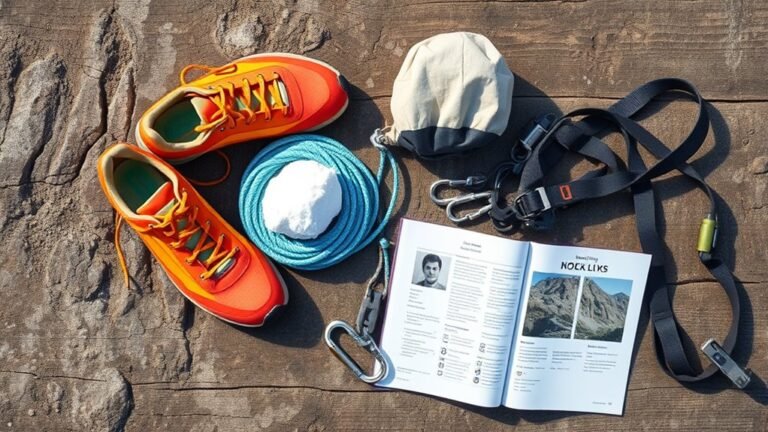
So, lace up your shoes and grab your chalk—rock climbing is a puzzle you’re meant to solve, one hold at a time. It’s not just about physical power; it’s about thinking your way through each route and staying calm under pressure.
With patience and practice, what once felt hard becomes achievable. Remember, rock climbing is a rewarding activity that builds confidence, improves fitness, and offers endless fun. Give it a try—you might just find it’s easier and more enjoyable than you expected!