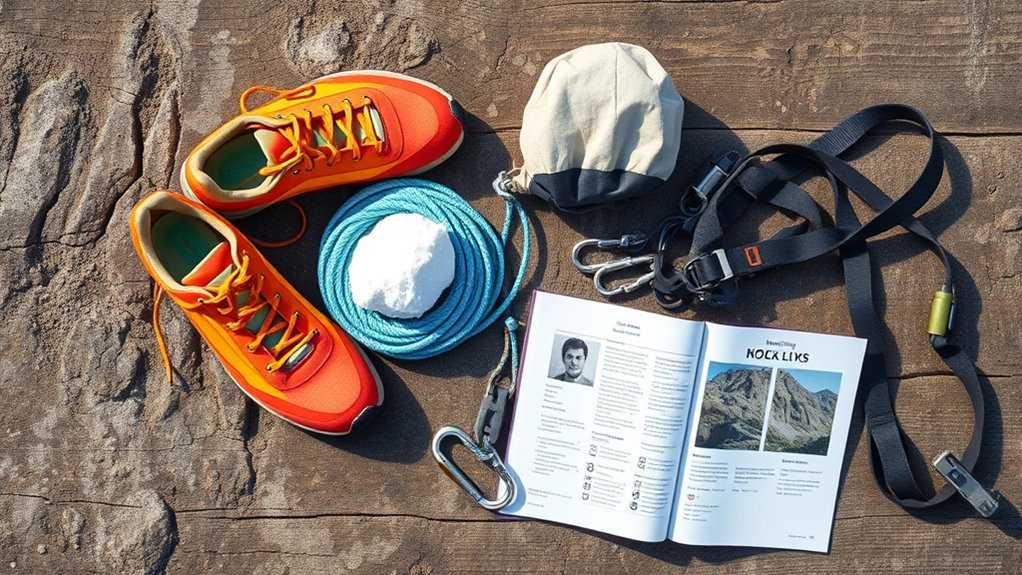
10 Tips on How Do You Get Rock Climbing Gear
To get rock climbing gear, start by figuring out your climbing style and skill level. This helps you pick the right equipment that matches your needs. It’s super important to begin with the basics like climbing shoes, breathable clothing, a properly fitting harness, and a certified helmet. These essentials will keep you safe and comfortable on the wall.
Next, grab some quality chalk and a chalk bag to keep your hands dry and improve your grip. Don’t forget to choose ropes and protection gear that suit the type of climbing you plan to do.
Buying from trusted brands and authorized retailers is a smart move to ensure you get reliable gear.
If you’re just starting out, consider renting equipment before investing in your own. As you gain experience, build your gear collection thoughtfully.
Regularly inspecting your equipment helps you stay safe and climb with confidence. There’s so much more to learn about outfitting yourself perfectly for rock climbing adventures!
Key Takeaways
– Identify your climbing style and environment to determine the specific gear you need, such as protection for trad or crash pads for bouldering.
This way, you’ll know exactly what to look for.
– Start by renting or borrowing gear to test fit and comfort before investing in your own equipment.
It’s a smart move to try things out first.
– Choose trusted brands like Black Diamond or Petzl and buy from authorized retailers to ensure gear authenticity and safety.
Sticking with reputable sources helps keep you safe.
– Prioritize essential gear like climbing shoes, harness, and helmet, and gradually expand based on your skill level and climbing needs.
You don’t need everything at once.
– Regularly inspect, clean, and store gear properly to maintain safety and prolong equipment lifespan.
Taking care of your gear means it will last longer and keep you protected.
Determine Your Climbing Style and Gear Needs
Before you buy any equipment, you need to identify your climbing style—whether it’s sport, trad, bouldering, or indoor—since each requires different gear. Your climbing style directly influences your gear needs, so understanding it helps you pick the right climbing equipment for safety and performance.
For example, trad climbing demands protection gear like cams and nuts, while bouldering focuses on crash pads and specialized shoes. Consider the environment too; outdoor climbs might require weather-resistant gear, unlike indoor settings.
Also, assess your skill level to decide if you should start with basic equipment or invest in advanced gear. Don’t hesitate to consult experienced climbers or guides—they can help you select climbing equipment tailored to your climbing style, ensuring you stay safe and perform at your best.
Start With Essential Climbing Shoes and Clothing
Start by picking climbing shoes that fit snugly to give you the grip and support you need. Choose breathable, moisture-wicking clothing that moves with you and keeps you comfortable.
These basics set you up for success on the wall, indoors or out. Trust me, getting these right makes all the difference!
Choosing Proper Climbing Shoes
When choosing proper climbing shoes, you’ll want to focus on beginner-friendly options that fit snugly without causing pain. This guarantees the best grip and support.
Opt for neutral or moderate shoes that balance comfort and performance. They’re suitable for both indoor and outdoor climbing.
Consider leather or synthetic materials, depending on how much stretch and durability you need. Trying different brands like La Sportiva or Scarpa helps find the right fit.
| Shoe Type | Fit Level | Best For |
|---|---|---|
| Neutral | Comfortable | General climbing |
| Moderate | Snug | Versatile use |
| Aggressive | Tight | Advanced performance |
Choose climbing shoes that prioritize fit and comfort to enhance your overall climbing performance.
Selecting Comfortable Climbing Clothing
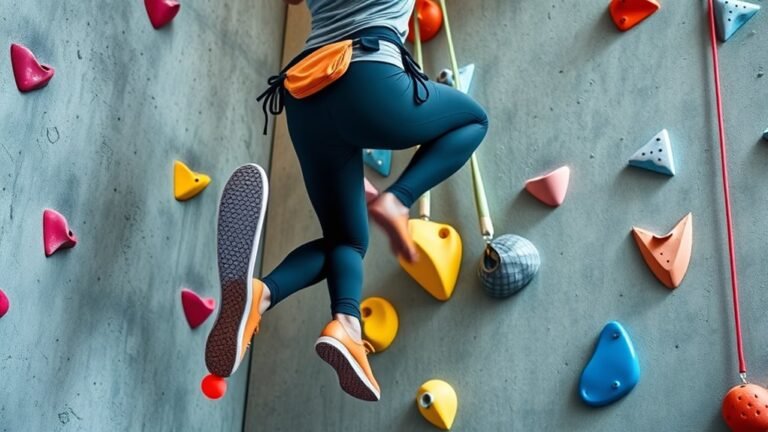
Although selecting the right climbing shoes is essential, choosing comfortable clothing plays an equally important role in your climbing experience. Start with lightweight, moisture-wicking fabrics that keep you dry and comfortable throughout your climb.
Opt for breathable fabrics like stretchable leggings or climbing shorts, which offer flexibility and allow a full range of motion. Pick clothing with minimal seams and flatlock stitching to reduce chafing during extended sessions.
Layering is key: wear lightweight jackets or layers you can easily add or remove as weather changes. Remember, your climbing shoes should fit snugly without causing pain, providing the grip and support you need.
Combining the right climbing shoes with comfortable clothing guarantees you stay focused and move freely on any route. You’ll feel the difference when you’re comfortable from head to toe!
Choose the Right Harness and Helmet for Safety
You’ll want a harness that fits snugly and offers the right features for your climbing style, like adjustable straps and gear loops.
A properly fitting helmet is just as essential—it should sit flat, feel comfortable, and meet recognized safety standards.
Understanding these key safety features helps you stay protected on every climb.
Harness Types Explained
Because selecting the right harness and helmet directly affects your safety, it’s essential to understand the options available.
The two main harness types are sit harnesses and full-body harnesses. Sit harnesses, designed for sport and trad climbing, wrap around your waist and legs and feature adjustable leg loops and waistbands for a secure fit.
Full-body harnesses provide extra support, which is ideal for children or rescue situations.
When picking climbing gear, make sure your harness fits snugly without pinching. Also, check that it meets safety standards like UIAA or CE.
| Harness Type | Use Case | Key Feature |
|---|---|---|
| Sit Harness | Sport/trad climbing | Adjustable fit |
| Full-body Harness | Kids/rescue | Additional support |
Helmet Fit Importance
When you choose a helmet that fits properly, you guarantee it stays securely in place and provides the protection you need during a fall. Your helmet should sit flat on your head, covering your forehead without tipping forward or backward.
A helmet that’s too loose may slide off, reducing safety, while one that’s too tight can cause discomfort and headaches. Look for adjustable straps and sizing systems so you can customize the fit, keeping the helmet snug without restricting movement or creating pressure points.
Regularly check your helmet’s fit and condition, especially after any impact, to assure it continues to offer reliable protection. Prioritizing the right fit ensures your helmet supports your safety every time you climb.
Safety Features Overview
A properly fitting helmet provides vital protection, but pairing it with the right harness completes your safety setup. Choose a climbing helmet made from impact-absorbing foam with a hard outer shell and adjustable straps.
For your harness, opt for adjustable leg loops and a padded waistbelt, making sure it’s rated for your climbing style. Always check that both meet UIAA or CE safety standards.
Regular gear inspection is essential. Look for cracks or wear and replace damaged gear immediately.
| Gear Type | Key Safety Features | Maintenance Tip |
|---|---|---|
| Climbing Helmet | Impact foam, adjustable straps | Inspect for cracks |
| Harness | Adjustable loops, gear loops | Check stitching, wear |
| Both | Certified (UIAA/CE) | Replace if damaged |
Select the Best Chalk and Chalk Bag for Grip
How do you guarantee your grip stays strong throughout a climb? Selecting the right chalk and chalk bag is essential for maintaining control. Here’s how to choose the best:
First, pick a chalk bag that fits comfortably around your waist or harness. Make sure it has a secure closure so you don’t end up with spills.
Choose a chalk bag that fits snugly and closes securely to prevent any messy spills.
Next, decide between loose chalk for maximum absorption or chalk balls if you want less dust and more controlled use. You might also want to try liquid chalk — it’s mess-free, dries quickly, and really boosts grip.
Don’t forget to look for chalk bags with built-in brush holders or small brushes. These help you clean holds and improve your grip during climbs.
Always go for high-quality climbing chalk from reputable brands like Black Diamond or Metolius. That way, your hands stay dry and your grip stays reliable.
Pick the Right Climbing Rope for Your Discipline
Maintaining a strong grip with the right chalk and chalk bag sets the stage for safe climbing, but your rope plays an equally essential role in your security and performance. When choosing climbing rope, consider your climbing disciplines carefully.
For sport and trad climbing, pick a dynamic rope between 9.5 and 10.5 mm in diameter to balance flexibility and durability. If you’re tackling multi-pitch routes, opt for at least a 60-meter rope to allow enough slack for belays and rappels.
In wet or humid conditions, a dry-treated rope helps prevent water absorption, enhancing longevity. Always verify that your climbing rope meets UIAA certification standards to ensure climbing safety.
Matching your rope’s fall rating and weight capacity to your style completes your essential climbing gear for a secure experience. It’s all about picking the right gear for your climb!
When and How to Buy Protection Gear
Before you start buying protection gear like cams, nuts, and quickdraws, it’s best to gain some climbing experience so you know exactly what suits your style and the routes you’ll tackle. This guarantees you invest in gear that enhances your safety and performance.
When buying protection gear, keep these tips in mind:
- Start with essential pieces—nuts and cams covering various crack sizes.
- Buy new or trusted secondhand gear only if you can assess its condition.
- Replace gear after any significant fall or impact.
- Gradually expand your gear collection based on your climbing needs.
Buy Climbing Gear From Trusted Brands and Retailers
You should always choose climbing gear from trusted brands like Black Diamond or Petzl to guarantee safety and quality. Buying from authorized retailers guarantees you’re getting authentic products with proper customer support.
This approach helps you avoid counterfeit gear that could put you at risk. So, it’s really worth taking the time to shop smart and stay safe out there.
Brand Reputation Importance
When choosing climbing gear, buying from trusted brands and retailers guarantees you get high-quality materials that meet rigorous safety standards. Brand reputation matters because it reflects the reliability and safety of the equipment you’ll use.
Trusted brands invest in testing and certifications to ensure their gear performs well under pressure. Here’s why you should prioritize brand reputation:
- Trusted brands provide reliable equipment that reduces the risk of failure.
- They adhere to strict safety standards verified by industry certifications.
- Established reputations come from consistent durability and customer satisfaction.
- You gain access to warranties and expert support for proper gear use.
Choosing gear from reputable sources protects your safety and enhances your climbing experience. So, avoid unknown brands to stay safe.
Authorized Retailer Benefits
Although selecting trusted brands is essential, buying your climbing gear from authorized retailers offers additional benefits that enhance safety and reliability. When you purchase from an authorized retailer, you’re guaranteed authentic products that meet strict safety standards. This reduces the risk of counterfeit or substandard gear.
These retailers often provide the latest innovations and updates in climbing equipment, so you get access to the most advanced and reliable gear. Plus, authorized retailers back their products with warranties and customer support. That’s super important for safety-critical items.
Beyond that, many stores offer expert advice and fitting services. They help you choose gear that fits properly and functions safely for your climbing needs. Choosing an authorized retailer is a smart step toward safe and reliable climbing.
Inspect and Maintain Your Climbing Gear Regularly
Because your safety depends on it, regularly inspecting and maintaining your climbing gear is essential. You need to inspect your equipment for signs of wear, fraying, or damage before every climb.
Regularly inspect your climbing gear for wear and damage to ensure your safety on every climb.
Maintain your gear by cleaning it properly and storing it in ideal conditions to prolong its lifespan. Here’s how to keep your climbing gear in top shape:
- Inspect ropes, carabiners, and harnesses for wear, corrosion, and damage.
- Check expiration dates and replace gear according to manufacturer recommendations.
- Clean gear with mild soap and water, then dry it thoroughly.
- Store gear in a cool, dry place away from sunlight, chemicals, and extreme temperatures.
Renting vs. Owning Climbing Gear: What You Need to Know
Deciding whether to rent or own climbing gear depends on your experience level, climbing frequency, and budget. If you’re new to climbing, renting gear from gyms or shops offers a cost-effective way to try different brands and styles without a big upfront cost.
Renting helps you figure out what fits and feels best before committing to purchases. It’s a smart way to get a feel for the equipment without the pressure of owning it right away.
However, owning personal gear like shoes, harnesses, and belay devices boosts your confidence and comfort since you’re familiar with your equipment. Plus, owning gear makes it easier to inspect and maintain it regularly, which is essential for safety.
For frequent outdoor climbs, owning essential gear such as harnesses, helmets, and ropes guarantees reliability and convenience. It ultimately supports safer climbing experiences, giving you peace of mind when you’re out on the rock.
Build Your Climbing Gear Collection as You Progress
As you gain experience in climbing, you’ll want to build your gear collection gradually, starting with essentials like climbing shoes, a harness, and a belay device. Your progression will guide when and how to upgrade your climbing gear for safety and performance.
Consider these steps:
- Rent or borrow gear initially to learn proper use without high costs. It’s a smart way to get familiar without a big investment.
- Invest in high-quality, durable essentials like ropes and harnesses. These are the foundation of your safety, so choose well.
- Add specialized equipment based on your climbing style—trad, sport, or bouldering. This will help you perform better and enjoy your climbs more.
- Regularly assess your gear collection, replacing worn items and upgrading to advanced tools as your skills improve. Keeping your gear in top shape is key to staying safe and climbing confidently.
Frequently Asked Questions
How to Get Climbers Gear?
You can get climber’s gear by buying from outdoor retailers, renting at gyms, or finding secondhand deals online. Start with essentials like shoes and harness, then gradually add more gear as you gain experience and confidence.
How Do Rock Climbers Get Their Gear Back?
Like a squirrel retrieving nuts, you rappel or lower yourself to grab your gear from anchors. You’ll carefully unclip and clean it, using extra ropes or slings, ensuring nothing gets left behind or damaged.
Why Is Rock Climbing Gear so Expensive?
Rock climbing gear costs so much because you need high-quality, safety-tested materials and advanced designs. Manufacturers follow strict standards, produce in small batches, and use specialized tech, which all drive up prices to keep you safe.
Is 27 Too Old to Start Rock Climbing?
Of course, 27 is way too old—if you want to miss out on all that fun and growth! But since you probably want to climb, start now; your patience and problem-solving will actually give you an edge.
Conclusion
As you gear up for your climbing journey, picture yourself gripping the perfect rope, shoes snug and secure, ready to conquer every challenge. Getting the right equipment isn’t just about buying gear—it’s about investing in your safety and confidence.
Whether renting or owning, start smart, maintain your gear, and let your collection grow as you do. With each climb, you’ll discover that the right gear transforms fear into freedom and hesitation into bold adventure.
Choosing quality rock climbing gear is key to enjoying the sport safely and confidently. From harnesses to carabiners, every piece plays a vital role. So take your time to find what fits you best, keep your equipment in top shape, and watch how the right climbing gear helps you push your limits and embrace the thrill of every climb.