How Hard Is Mountain Climbing: A Step-by-Step Guide
Mountain climbing challenges both your body and mind—it demands strong endurance, strength, and focus. You’ll also need to manage fears and make quick decisions in changing conditions.
You’ll hike steep slopes, carry gear, and adapt to altitude. Training with aerobic exercises, learning technical skills, and using proper gear will help you tackle routes safely.
Difficulty varies widely depending on terrain and weather, so preparing well is key. Keep going to uncover how to train, plan, and climb confidently step by step.
Key Takeaways
- Mountain climbing demands high physical endurance, strength, and core stability. The difficulty can vary a lot depending on the route and the environmental conditions.
- Mentally, it’s quite challenging too. You have to manage fear, make quick decisions, and keep your focus, especially when dealing with altitude sickness or harsh weather.
- The difficulty ranges from beginner-friendly trails to technical climbs that need advanced skills and equipment knowledge.
- To prepare, you’ll want to do regular aerobic and strength training. It’s also important to learn mountaineering skills and get comfortable practicing with essential gear.
- Safety really depends on using the right gear properly, developing your skills gradually, planning your route carefully, and respecting environmental hazards.
How Hard Is Mountain Climbing? Physical And Mental Challenges Explained
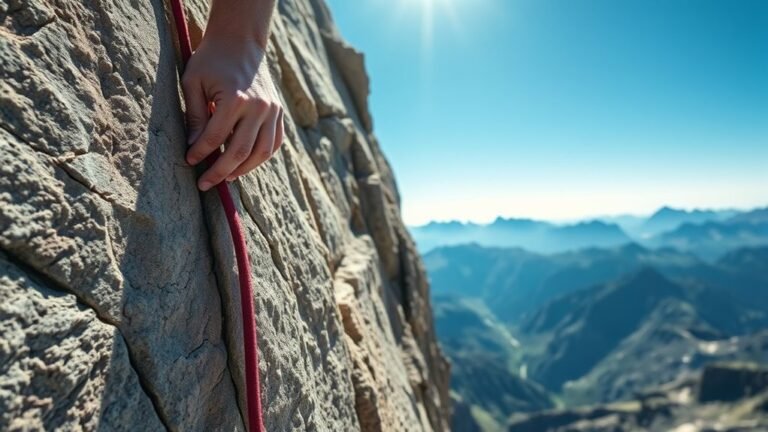
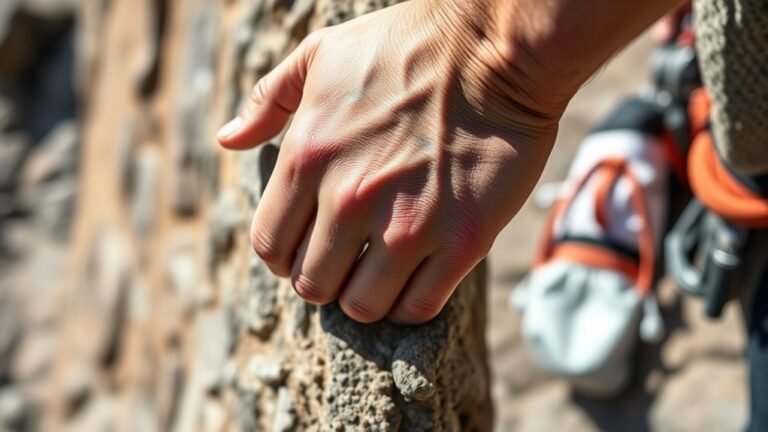
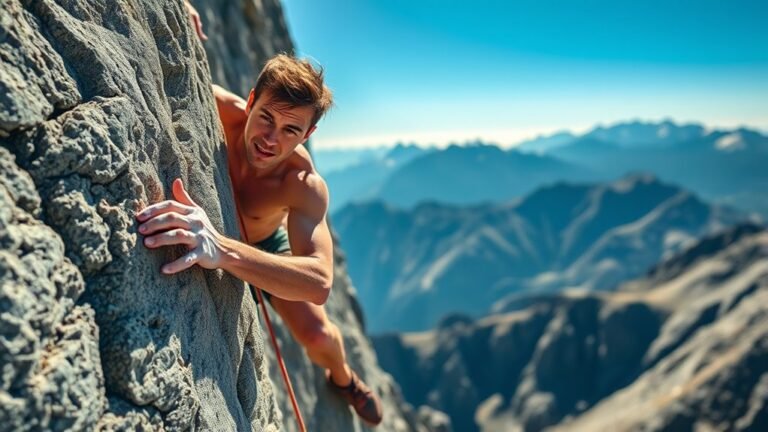
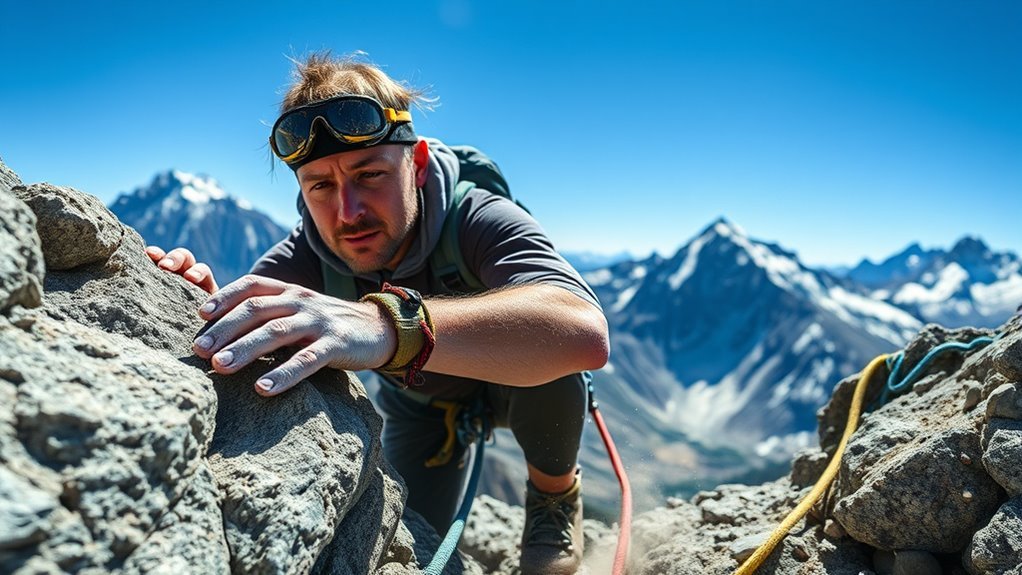
Although mountain climbing demands significant physical endurance and mental strength, you’ll find that its difficulty varies widely based on the route and conditions. In mountaineering, you face physical endurance tests like long hikes and steep ascents, often while carrying heavy gear.
Mountain climbing challenges your physical endurance and mental strength, with difficulty shaped by the route and conditions.
Mental challenges also arise—managing fear, making quick decisions, and maintaining mental focus amid changing weather and hazards. Technical routes require advanced skills, while others suit beginners.
Altitude sickness can disrupt your clarity and stamina, so acclimatization is essential for high elevations. Overcoming psychological barriers, like fear of falling, plays a key role in your safety and success.
Understanding these factors helps you grasp how demanding mountaineering is, highlighting why proper training and respect for the mountain environment matter.
Mountain Climbing Preparation: Training, Gear, And Safety Tips
Mountain climbing tests both your body and mind, so preparing well can make all the difference. Focus your training on aerobic endurance, strength, and core stability with activities like walking, cycling, and weight training 3-4 times weekly to build fitness and toughness.
Invest time in learning mountaineering skills through instruction on navigation, glacier travel, and proper use of climbing gear like crampons and ice axes. Your preparation should also include breaking in essential gear—well-fitting boots, layered clothing, and safety equipment—to guarantee reliability and prevent injuries.
Prioritize safety by practicing route planning with maps, GPS, and compass. Developing mental toughness and technique through gradual exposure to tougher terrain prepares you to handle unpredictable mountain conditions confidently and safely.
Frequently Asked Questions
What Is the 2pm Rule on Mount Everest?
The 2pm rule on Mount Everest means you must start descending from the summit by 2:00 PM to avoid dangerous weather and avalanche risks, ensuring you return safely before nightfall and worsening conditions.
Are Mountain Climbers Beginner Friendly?
Yes, mountain climbers can be beginner-friendly if you start with easier trails and guided tours. You’ll build strength, learn essential skills, and gradually tackle tougher climbs, making the experience safer and more enjoyable for you.
What Is the Easiest Mountain to Climb for Beginners?
You’ll find Mount Fuji the easiest beginner mountain to climb, attracting over 300,000 hikers annually. Its well-marked trails require minimal skills, letting you build confidence while enjoying stunning views without intense elevation challenges.
Are Mountain Climbers Safe for Diastasis Recti?
Yes, mountain climbing can be safe for you with diastasis recti if you strengthen your core, modify movements, and consult a specialist. Listen to your body and progress gradually to avoid aggravating your condition.
Conclusion
Mountain climbing is no walk in the park—it pushes your body and mind to their absolute limits. But with the right training, gear, and safety know-how, you’ll conquer challenges that feel as tall as skyscrapers.
Remember, every step you take builds strength and confidence. So lace up, gear up, and embrace the climb—you’re not just reaching a peak, you’re rising above what you ever thought was possible.
Climbing mountains tests your endurance, focus, and determination. The physical effort is intense, but the mental challenge is just as demanding. With proper preparation and the right mindset, mountain climbing becomes an achievable adventure.
In the end, mountain climbing is about more than just the summit. It’s about pushing your limits, improving your skills, and experiencing nature in its purest form. Stay safe, stay prepared, and enjoy every step of the climb.