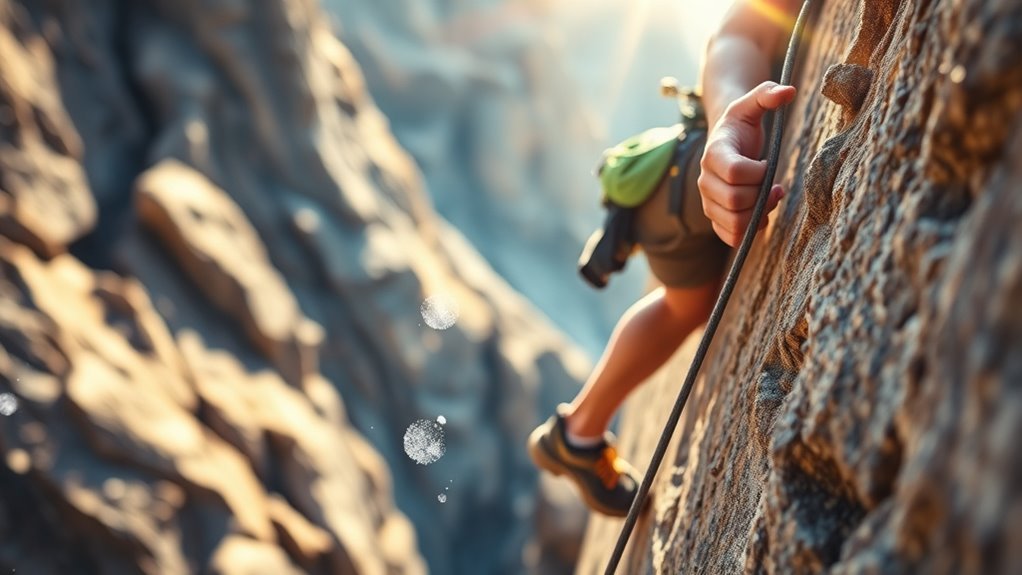
What Is Climbing and How Does It Work?
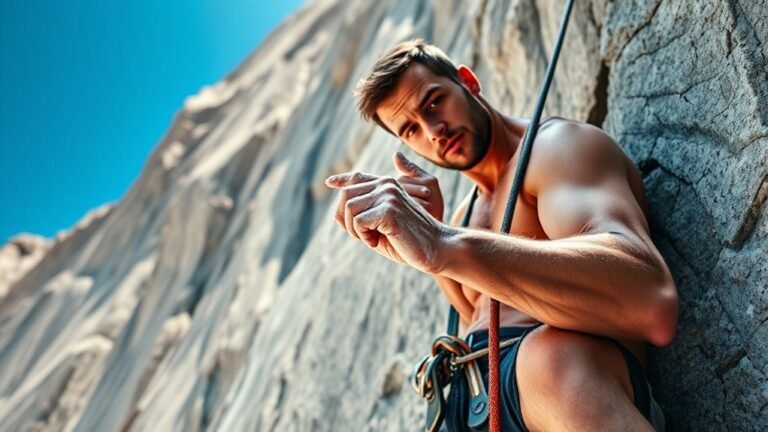
Climbing is an exciting challenge where you ascend rock faces using careful technique and reliable gear. It’s all about finding the right balance between strength, skill, and safety.
You’ll wear a harness, secure ropes, and place protective devices to keep yourself safe on the way up.
Your climbing partner plays a big role too—they control the rope with a belay device, ready to catch you if you fall.
There are different climbing styles, like sport and trad, each with its own unique gear and methods.
By trusting your equipment and team, you can navigate the climb confidently and enjoy the adventure.
Keep exploring to see how these styles and safety measures all come together to make climbing both challenging and fun.
Key Takeaways
- Climbing involves ascending natural or artificial surfaces using physical strength, technique, and specialized gear. It’s all about moving upward, whether on a rock face or an indoor wall.
- Safety is key here. Climbers rely on harnesses, ropes, protection devices, and belay systems that a partner manages to keep things secure.
- There are different climbing styles to know about, like trad, sport, lead, free, and aid climbing. Each one has its own gear and ways of doing things.
- Putting your gear in the right spots, working as a team, and communicating clearly are super important. This helps stop falls and keeps everyone safe.
- Climbing can happen in all kinds of places—from controlled indoor walls to tough outdoor terrains. Where you climb affects the techniques and gear you’ll need.
How Rock Climbing Works: Basics and Safety
How exactly does rock climbing work, and what keeps you safe while you’re scaling walls? You rely on a mix of climbing techniques and specialized climbing gear to ascend both natural and artificial climbing routes.
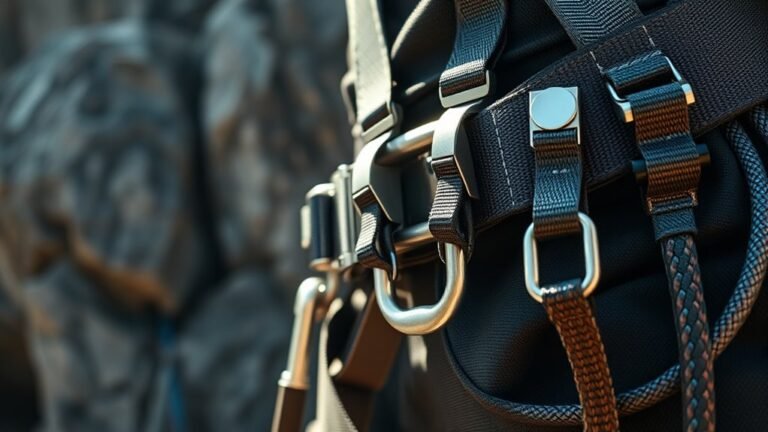
Your harness secures you to the climbing rope, which connects to protection devices like cams and nuts placed along the route. A belay device, managed by your partner, controls the rope to catch you if you fall, ensuring effective fall prevention.
Your harness and rope connect to protection devices, while a belayer manages the rope to keep you safe from falls.
Before you climb, performing thorough safety checks on your harness, rope, and belay device is essential. Understanding how each piece of gear works together lets you focus on technique and balance while trusting the system to keep you safe.
Climbing safety depends on this careful preparation and teamwork. It’s all about knowing your gear and having someone watching your back.
Types of Rock Climbing: Styles and Differences
Although all rock climbing shares the goal of reaching the top, the styles and techniques vary widely depending on the terrain, equipment, and personal preference. You’ll find trad climbing, where you place and remove protection as you ascend natural rock, emphasizing adventure and risk.
Sport climbing relies on fixed bolts for quick clipping on athletic climbing routes. Lead climbing means attaching protection while climbing, increasing fall potential compared to top rope.
Free climbing uses your body alone for movement, with the rope only for protection. This is unlike aid climbing, which employs gear to assist upward progress on featureless routes.
You can climb indoors on an indoor climbing wall with controlled conditions or venture outdoors to tackle natural challenges. Each style offers unique experiences and demands different skills and equipment.
Frequently Asked Questions
Does Rock Climbing Help With Osteoporosis?
Yes, rock climbing helps with osteoporosis by stimulating bone growth and increasing bone density. When you climb regularly, you stress your bones, boosting strength and reducing osteoporosis risk, especially in your forearms, hips, and spine.
Is Climbing Hard to Learn?
Climbing isn’t hard to learn if you start with basic techniques and safety. You’ll get the hang of foot placement, body positioning, and equipment use quickly, especially with good instruction and regular practice. Keep at it!
Is Rock Climbing Good for Dyspraxia?
Yes, rock climbing can improve your coordination and fine motor skills by up to 30%. It challenges your planning and body awareness, making it a great, adaptable exercise to help manage dyspraxia effectively.
Can Climbing Cause Plantar Fasciitis?
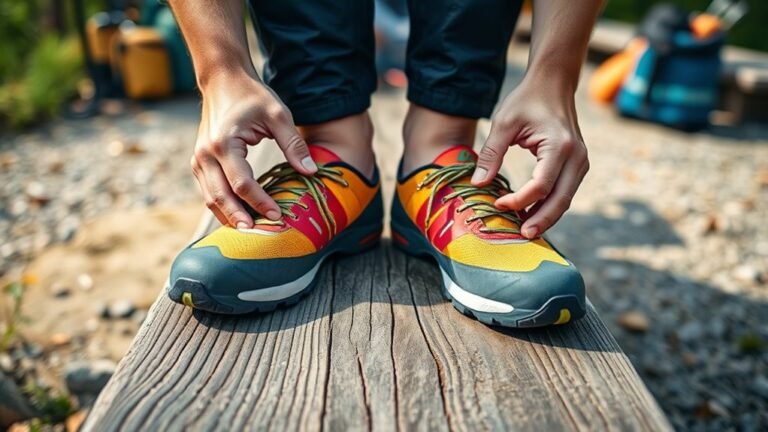
Yes, climbing can cause plantar fasciitis if you overuse your foot’s arch, especially on tough routes or with poor footwear. Stretching, strengthening, and supportive shoes help you avoid this painful foot injury.
Conclusion
So, you want to climb rocks? Easy—just trust a flimsy rope and hope gravity takes a day off. Whether you’re scrambling up a boulder or dangling from a cliff, remember: falling is just “nature’s way of keeping you humble.”
But hey, with a bit of gear and guts, you’ll feel like a mountain conqueror in no time. Just don’t forget—rocks don’t care about your ego, so climb smart or become their next decoration.
Climbing is all about balance, strength, and a little bit of bravery. It works by using your hands and feet to navigate natural holds, relying on ropes and harnesses for safety. So, when you combine the right gear with a smart approach, climbing becomes not just a sport but an adventure that tests your limits while keeping you safe. Remember, climbing isn’t just about reaching the top—it’s about understanding the rock, respecting nature, and staying safe on every move.