What Is Rock Climbing?
Rock climbing is an exciting outdoor and indoor activity that challenges your strength, skill, and mental focus. Whether you’re scaling natural rock faces or climbing walls inside a gym, it’s all about reaching the top using your body and mind.
There are different styles to try, like sport climbing, trad climbing, and aid climbing, each with its own unique approach.
Sport climbing uses pre-placed bolts for protection, making it a bit more straightforward.
Trad climbing is more hands-on—you place your own gear as you climb.
Aid climbing is a bit different because you rely on gear to help you move upward.
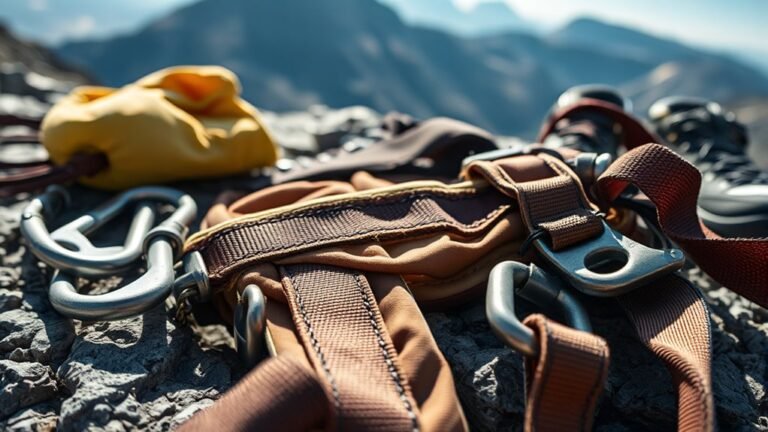
To stay safe, you’ll need essential gear like harnesses, ropes, and helmets.
Mastering proper techniques and safety checks is super important too.
Keep practicing, and you’ll get to know the gear and methods that help you climb with confidence!
Key Takeaways
- Rock climbing is a sport involving ascending natural rock formations or artificial indoor walls using physical strength and skill. It’s a great way to challenge yourself both physically and mentally.
- There are various styles like sport climbing, trad climbing, and aid climbing. Each one needs different techniques and gear, so you get to pick what suits you best.
- Climbers use specialized gear like harnesses, climbing shoes, chalk, helmets, and ropes. These tools help keep you safe and improve your performance on the wall.
- Indoor climbing gyms provide a controlled environment where you can train and practice. On the other hand, outdoor climbing means dealing with natural rock surfaces that are often unpredictable.
- Safety is super important in climbing. It involves checking your gear properly, mastering how to belay, communicating clearly with your climbing partner, and always climbing within your skill level.
What Is Rock Climbing? Types and Styles Explained
Although rock climbing can seem intimidating at first, it’s a versatile sport that includes various styles, from indoor climbs on artificial walls to outdoor ascents on natural rock.
You’ll find climbing styles like sport climbing, trad climbing, and aid climbing, each requiring different climbing techniques and climbing equipment.
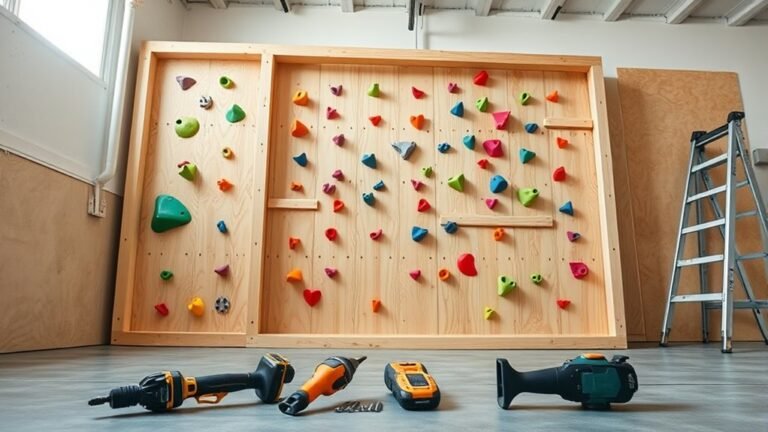
Indoor climbing gyms offer controlled environments to practice and build skills, no matter the weather.
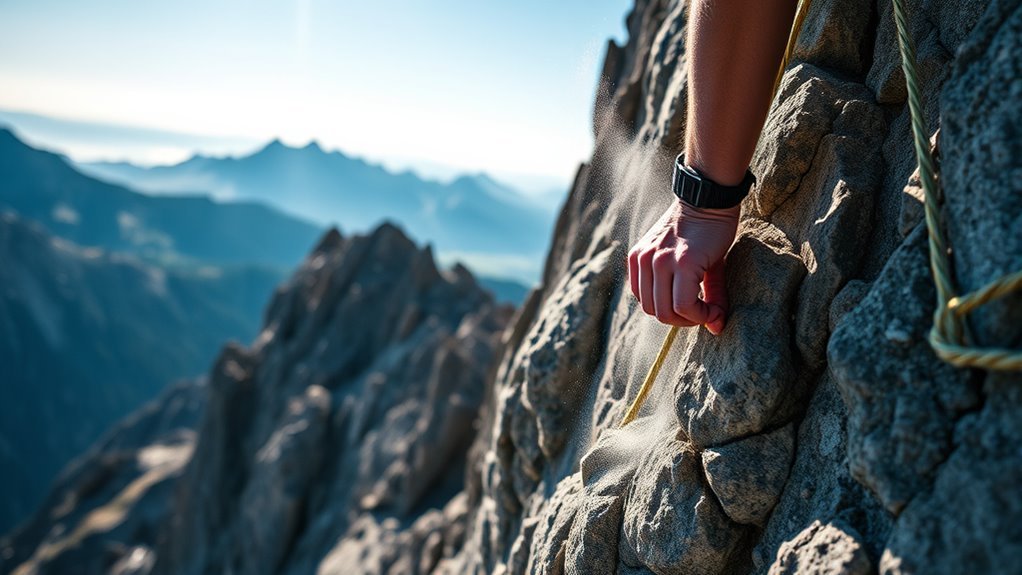
Outdoor climbing challenges you with natural rock formations, where free climbing lets you rely mostly on your strength and skill, using minimal aids.
Sport climbing uses pre-placed bolts, while trad climbing requires you to place your own protection.
Aid climbing involves using gear to assist your ascent. Understanding these styles helps you choose the right approach for your climbing goals.
Essential Rock Climbing Gear and Safety Tips
Now that you understand the different climbing styles, it’s important to focus on the gear that keeps you safe and comfortable on the rock. Your essential safety equipment includes a harness, climbing shoes, chalk, helmet, and a dynamic rope tailored to your climbing discipline.
Protection devices like quick draws, nuts, or cams play a vital role in securing your ascent. Mastering proper belaying techniques—locking knots and using belay devices—ensures reliable fall safety.
Always perform thorough gear inspection before every climb to spot wear or damage that could lead to accidents. Communicate clearly with your climbing partner, double-check knots and harnesses, and stick to climbs within your skill level.
These steps help you climb confidently and safely every time.
Frequently Asked Questions
Is Rock Climbing Good for Osteoporosis?
Yes, rock climbing’s great for osteoporosis because it strengthens your bones through weight-bearing impact. Just make sure you use proper techniques and safety gear to protect yourself from falls and fractures while improving bone density.
Can Climbing Cause Plantar Fasciitis?
Climbing can cause plantar fasciitis, like a tightrope pulling at your foot’s arch. If you don’t stretch, use proper technique, or wear supportive shoes, you’ll risk inflaming that delicate tissue connecting heel to toes.
Is Rock Climbing Good for Dyspraxia?
Yes, rock climbing can help you manage dyspraxia by improving coordination, motor planning, and spatial awareness. It also boosts proprioception and confidence, especially in controlled gym settings with tactile holds and visual markers for sensory support.
Is Rock Climbing Good for Hypertrophy?
Want biceps that scream “I wrestle bears”? Rock climbing’s your ticket. You’ll grip, pull, and claw your way to hypertrophy, with muscles growing from intense holds and dynamic moves—no gym machines required, just sheer, sweaty determination.
Conclusion
As you delve into rock climbing, you’ll find that the thrill of reaching the summit matches the gear you trust and the safety you practice. It’s no coincidence that climbers who prepare well enjoy every climb more—because knowing your types and styles helps you pick the right gear and stay safe.
So, gear up, stay sharp, and embrace the challenge. You’ll soon discover that rock climbing isn’t just a sport, it’s an adventure waiting for you. With the right preparation and understanding of climbing techniques, every ascent becomes more rewarding.
Rock climbing combines excitement, skill, and safety, making each climb a unique experience. Whether you’re a beginner or seasoned climber, the journey to the top is always worth it. So, get ready to explore new heights and enjoy the adventure that rock climbing brings!