How Do You Explain Climbing?
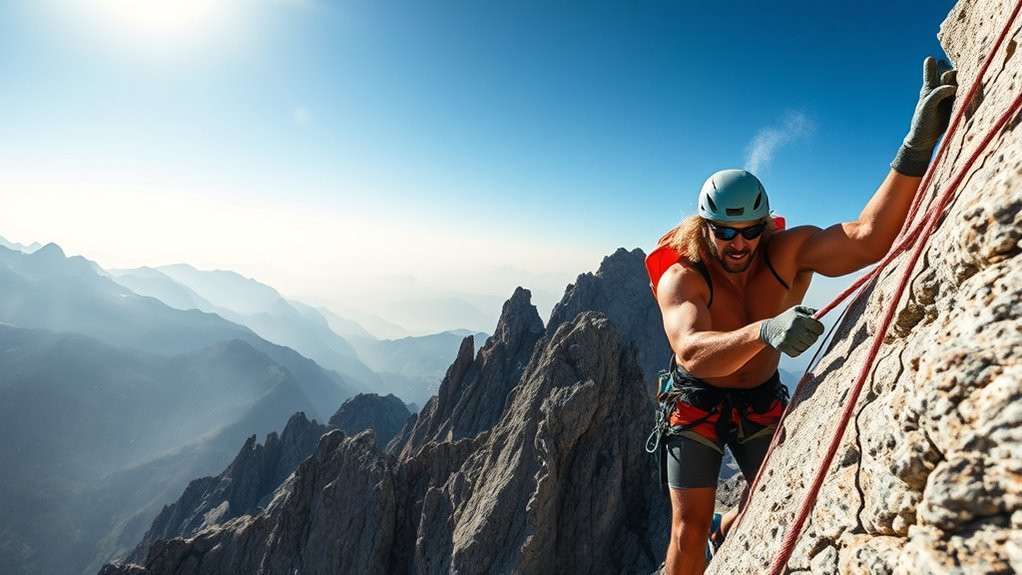
You climb by using your hands and feet to move up natural rock or artificial walls. It’s all about relying on specific techniques and safety gear to stay secure. Climbing involves learning how to use harnesses, ropes, and proper foot placement.
You’ll often practice with a partner, which makes the whole experience safer and more fun. There are different climbing styles too, like free climbing, sport climbing, and aid climbing. Each one needs a different set of skills.
As you build confidence and master these techniques, you’ll find out just how rewarding and challenging climbing can be. It’s not just a physical workout—it’s a mental game, too.
Plus, the sense of accomplishment when you reach the top is pretty amazing!
Key Takeaways
- Climbing involves ascending natural rock or artificial walls using hands, feet, and specialized equipment for safety. It’s all about moving upward in a controlled way.
- You’ll need to learn techniques like crimping, dynos, and how to use gear properly. This helps you move efficiently and stay safe while climbing.
- There are different styles of climbing, such as free climbing, aid climbing, trad climbing, and sport climbing. Each style has its own methods and gear.
- Safety is super important. Always double-check your harness, knots, and practice with experienced partners whenever you can.
- Climbing offers both physical and mental challenges. It’s really rewarding as you see your skills improve with steady practice and progress.
Rock Climbing Basics: What It Is and How to Get Started
Although rock climbing might seem intimidating at first, it’s an accessible sport that involves ascending natural rock or artificial wall formations using specific climbing techniques and safety gear.
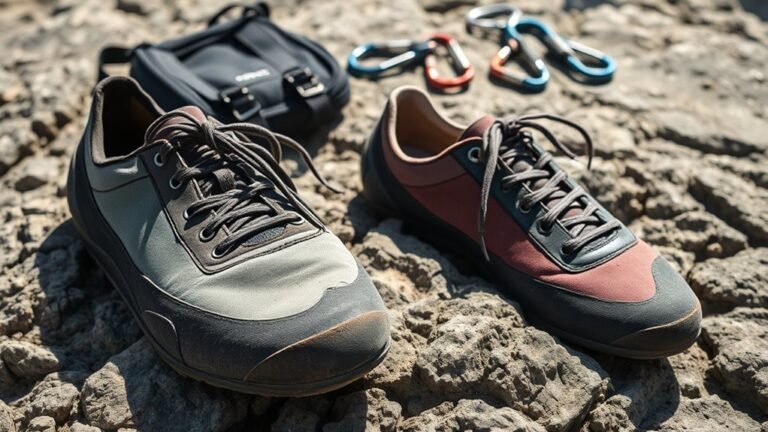
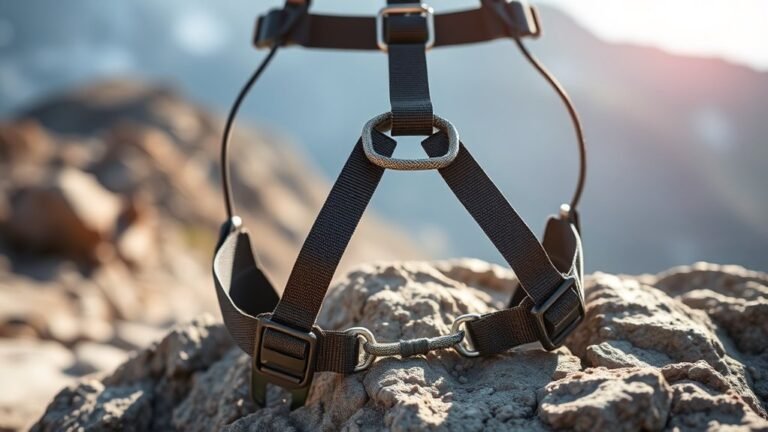
As a beginner, you’ll want to start by learning basic skills like belaying and how to properly use your harness and climbing shoes. Climbing routes are graded by difficulty, so you can choose ones that match your skill level and gradually build confidence.
Whether you’re indoors or outdoors, safety gear is essential—always double-check your harness and knots before climbing. Practicing with an experienced partner helps you master climbing techniques while staying safe.
With patience and practice, rock climbing offers a rewarding way to challenge yourself physically and mentally. Give it a try, and you might find it’s more fun and doable than you expected!
Rock Climbing Styles and Techniques: The Essentials You Should Know
Once you’ve grasped the basics of rock climbing, understanding different climbing styles and techniques will help you tackle a wider range of routes with confidence.
Rock climbing styles like free climbing rely on your hands and feet for ascent, using ropes only as protection. Aid climbing, by contrast, uses gear and ladders to assist your upward movement.
Free climbing uses hands and feet to ascend, while aid climbing relies on gear and ladders for support.
Trad climbing demands skill in placing and removing protection gear as you navigate routes, while sport climbing focuses on athletic performance on routes with pre-placed bolts and quickdraws.
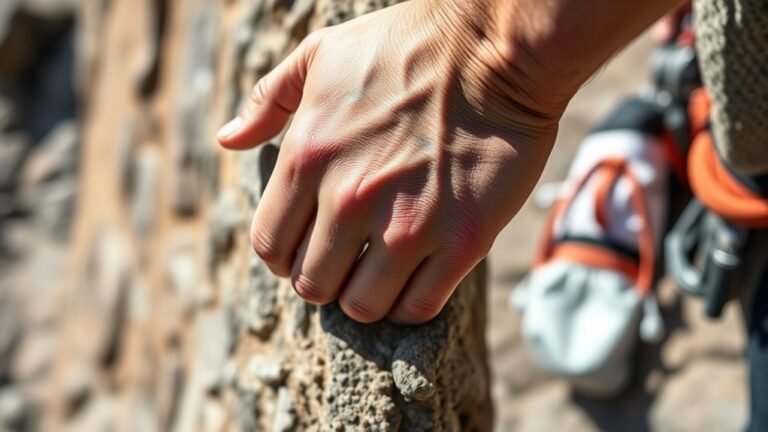
Master climbing techniques, such as crimping and dynos, to handle various holds and movements. Knowing how to use climbing equipment and protection gear properly lets you adapt to different climbing routes safely and effectively.
That way, you’ll make your climbing experience more rewarding and fun.
Frequently Asked Questions
How Do You Describe Climbing?
You describe climbing as moving upward using your hands and feet, relying on strength, balance, and technique. You use holds, grips, and gear to safely navigate challenging routes and solve problems while pushing your limits physically and mentally.
Is Climbing Good for Osteoarthritis?
Yes, climbing can be good for osteoarthritis if you use proper technique and progress gradually. It strengthens muscles, improves flexibility, and reduces pain. Just make sure to consult your healthcare professional before starting to stay safe.
Can Climbing Cause Plantar Fasciitis?
Yes, climbing can cause plantar fasciitis if you strain your feet with slippery steps, sloppy stretching, or shoes that squeeze. You’ve got to warm up, wear well-fitting shoes, and watch your footing to avoid pain.
Is Rock Climbing Good for Dyspraxia?
Yes, rock climbing can really help you if you have dyspraxia. It improves your coordination, balance, and spatial awareness while boosting confidence. Plus, climbing gyms offer supportive environments with adjustable challenges just for you.
Conclusion
Climbing isn’t just about reaching the top; it’s about understanding your body, the rock, and the rhythm between them. You might wonder if strength alone gets you up, but technique and mindset play just as big a role.
As you start climbing, you’ll see it’s a dance of balance, focus, and problem-solving. So, don’t just think about the climb—feel it, learn from it, and let every move teach you something new.
In the end, climbing is more than a physical challenge. It’s a mental game where technique, strength, and mindset all come together. When you climb, you develop balance, focus, and problem-solving skills that go beyond the rock face. Every climb is a chance to grow, learn, and connect with your body and the environment. That’s what makes climbing such a rewarding experience.