What Is Free Climbing and How Does It Work?
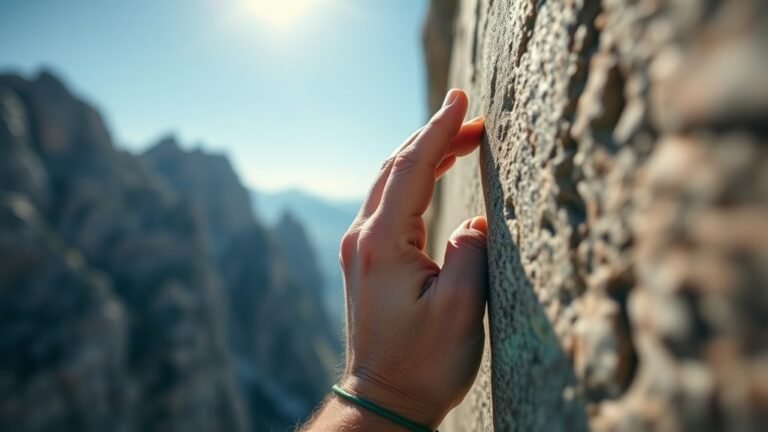
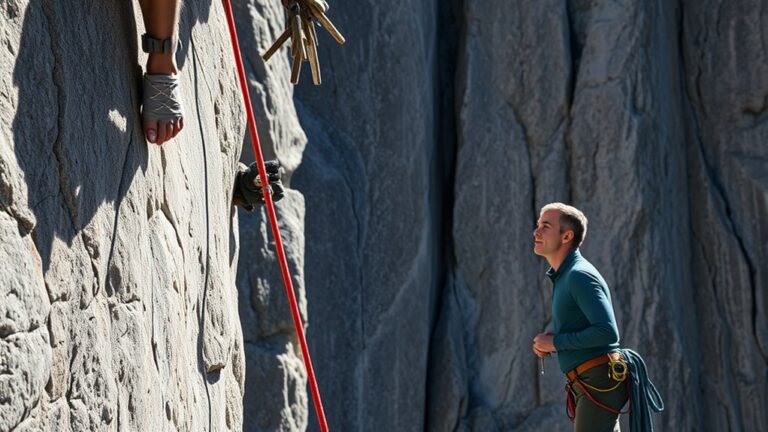
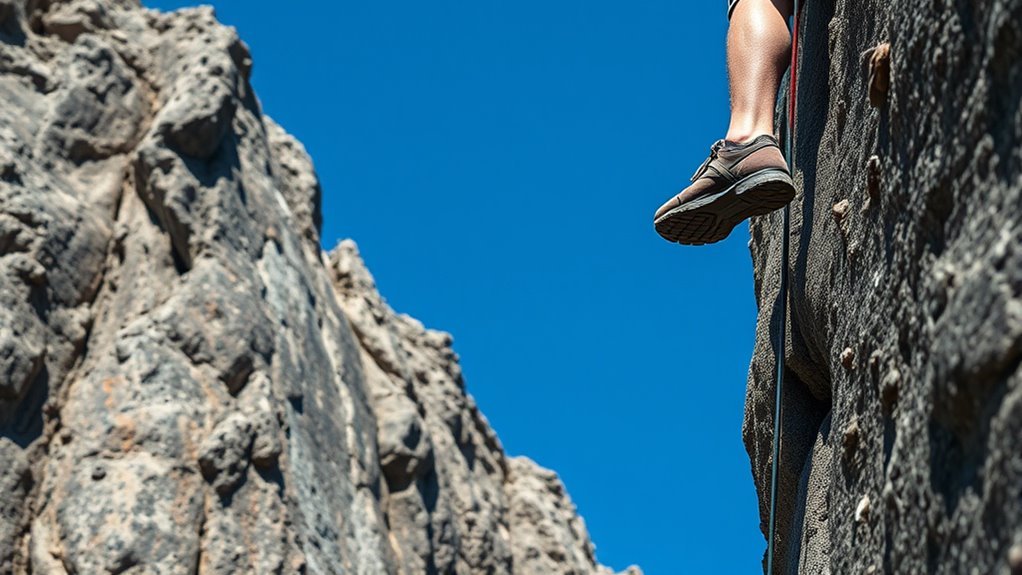
Free climbing means you climb using only your hands and feet, relying on your skill and technique to move upward. You wear safety gear like ropes, harnesses, and protection, but these are just to catch you if you fall—not to help you progress.
Whether sport climbing with fixed anchors or trad climbing with removable gear, the focus stays on natural movement. It’s all about using your own strength and smarts to conquer the rock.
If you want to master climbing’s techniques and safety essentials, there’s plenty more to explore. Understanding the gear and practicing your moves will take your free climbing skills to the next level.
Key Takeaways
- Free climbing uses gear only for safety, relying on hands and feet for upward movement without mechanical assistance. It’s all about using your own strength and skill to move up the rock.
- This is different from aid climbing, where climbers use devices to help them progress on the route. In free climbing, the gear is just there to catch you if you fall.
- There are a couple of main types, like sport climbing, which uses fixed anchors, and trad climbing, where you place removable protection gear as you go.
- When it comes to technique, climbers focus on natural holds, precise foot placement, and efficient body positioning. It’s about moving smart, not just strong.
- Safety is key. You assess how hard the climb is, use proper gear like ropes and harnesses, and follow best practices to protect yourself from falls.
What Is Free Climbing? How It Differs From Sport and Trad Climbing
Although free climbing shares gear with sport and trad climbing, it focuses on ascending using only your hands and feet without mechanical aid. In free climbing, the protection and climbing gear you use serve solely to catch you if you fall, not to help you move upward.
This is quite different from aid climbing, where mechanical devices actually assist your progress. When you practice sport climbing, you clip into fixed anchors as protection, while traditional climbing requires you to place and remove your own removable protection along rock faces.
Both traditional and sport climbing fall under the free climbing umbrella because they rely on your climbing technique, not gear, to advance. The first free ascent of any route celebrates the climber’s pure skill, highlighting free climbing’s emphasis on natural movement without artificial aid.
Free Climbing Techniques, Safety Practices, and Essential Gear
Free climbing demands more than just strength—it requires mastering specific techniques that help you move efficiently and safely on the rock. You’ll rely on free climbing techniques like precise foot placement, using natural holds, and smart body positioning to conserve energy and maintain balance.
Safety practices are vital; when trad climbing, you place removable protection gear, while in sport climbing, you clip into fixed bolts to manage fall risk. Essential gear includes climbing shoes for grip, chalk for dry hands, harnesses, ropes, and quickdraws or cams depending on your route.
Always assess the route difficulty, environmental conditions, and your skill level to minimize risks. By combining these techniques, safety practices, and essential gear, you can enjoy free climbing with confidence and control.
Frequently Asked Questions
How Do Free Climbers Use the Bathroom?
You manage bathroom needs by using small waste bags, natural spots, or portable toilets. You’ll often urinate into bottles or use pee funnels, especially on long routes, always following Leave No Trace principles to protect the environment.
How Risky Is Free Climbing?
Free climbing is very risky—you face serious dangers like falls, especially without protective gear. Environmental factors can worsen conditions, and even with safety measures, accidents and fatalities happen. You must stay vigilant and prepared at all times.
How Is Free Climbing Possible?
You make free climbing possible by relying on your hands, feet, and natural rock features to move upward. You use protection only for safety, focusing on technique, strength, and careful route planning to succeed without mechanical aid.
How Do Climbers Get Down After Free Soloing?
After free soloing, you usually downclimb carefully or hike off via the safest exit. If fixed anchors exist, you might rappel. Sometimes, you follow a retreat route or scramble down to descend safely.
Conclusion
Free climbing is like dancing with the rock—every move requires skill, trust, and focus. You’ll rely on your strength and technique, using ropes only for safety, not support.
Whether you choose sport or trad climbing, mastering free climbing means embracing both challenge and respect for the climb.
With the right gear and safety practices, you’re not just climbing—you’re flowing with the mountain, turning every ascent into a powerful, rhythmic adventure.
In free climbing, your body and mind work together to navigate the rock face using precise movements. It’s all about balance, control, and confidence.
So, whether you’re tackling a tough route or enjoying a scenic climb, free climbing invites you to connect deeply with the rock. It’s an exciting way to experience climbing that tests your skills while keeping safety a top priority.