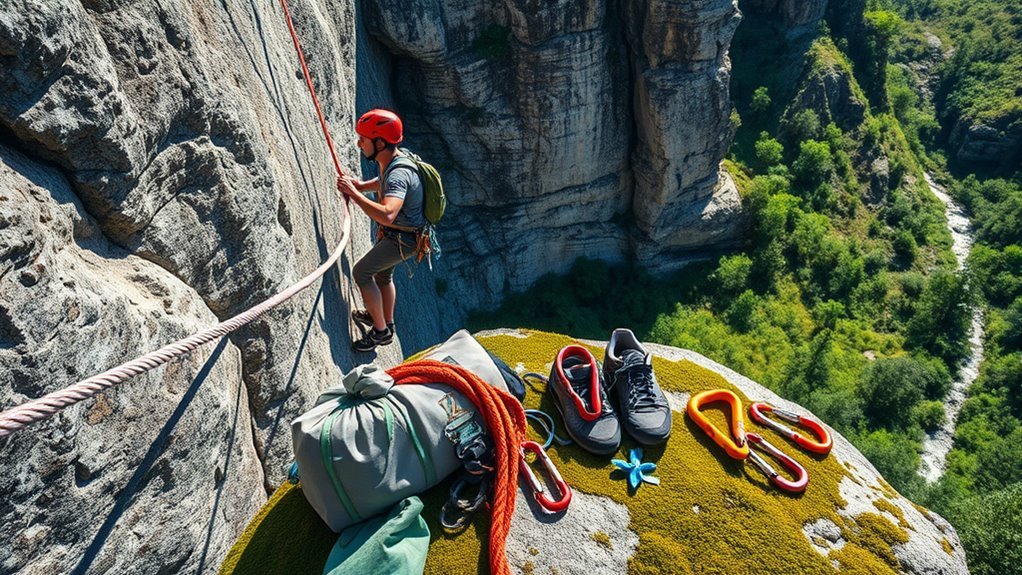
7 Steps to Start Rock Climbing for Beginners
To start rock climbing, first choose your climbing style—bouldering, sport, or trad—that fits your comfort and safety needs. Rock climbing is an exciting adventure sport that challenges both your body and mind. Picking the right style helps you enjoy climbing while staying safe.
Next, find a beginner-friendly gym with rental gear and classes. It’s a great way to learn the ropes without investing in expensive equipment right away.
Learn key safety checks and commands before picking the right gear like shoes and harness. These basics are essential to keep you and your climbing partner safe every time you climb.
Practice basic climbing and belaying skills, then select easy routes to build confidence. Starting simple helps you get comfortable with movements and techniques.
When you’re ready, try outdoor climbs with proper preparation. Keep exploring to gain deeper skills and safe progression tips. Rock climbing is a journey—enjoy every step of it!
Key Takeaways
- Choose a climbing style that fits your comfort level, such as bouldering or sport climbing, especially for beginners. It’s all about what feels right for you.
- Find a beginner-friendly gym with rental gear, qualified instructors, and beginner courses to start safely. Having the right support makes a big difference.
- Learn and practice essential safety procedures, clear commands, and proper gear usage before climbing. Safety first, always.
- Develop basic climbing skills gradually by starting with easy routes and focusing on proper technique and confidence. Take your time and enjoy the process.
- Progress to outdoor climbing with guided instruction, appropriate gear, and respect for environmental safety and etiquette. The outdoors adds a whole new adventure!
Get to Know the Different Types of Rock Climbing
How do you choose the right style of rock climbing to start with? First, understand the main climbing styles: bouldering, sport climbing, and trad climbing.
Bouldering involves short climbing routes up to 15 feet, no ropes, and crash pads for climbing safety. Sport climbing uses pre-placed bolts, quickdraws, and ropes, requiring specific climbing gear. Trad climbing demands placing and removing protective gear as you ascend natural rock cracks, making it gear-intensive and technical.
Each style uses different climbing techniques and climbing equipment, so your choice depends on your comfort with gear and risk. Indoor climbing gyms often offer bouldering and sport climbing, which are great for beginners to learn basics safely.
Knowing these options helps you pick the climbing style that fits your goals and climbing safety preferences. So, think about what feels right for you and have fun exploring!
Find a Beginner-Friendly Climbing Gym Near You
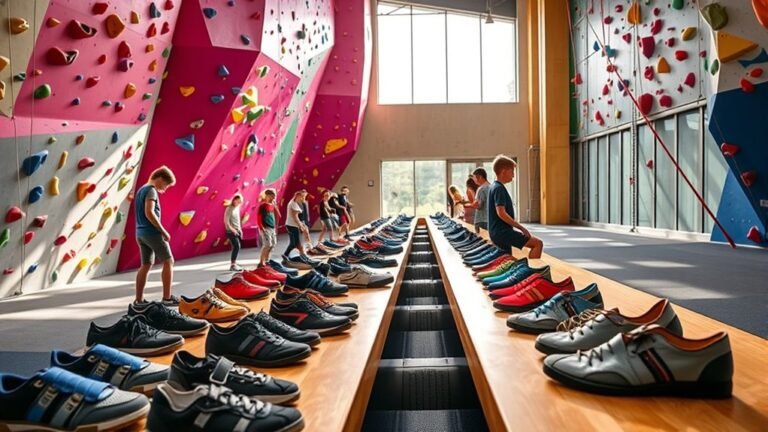
Start by locating climbing gyms near you that offer beginner courses to guarantee you get the right support. Check their facilities and class availability online or by contacting them directly.
Make sure they provide rental gear and have trained instructors to help you learn safely. It’s super helpful to have experts around when you’re just starting out.
Locating Local Climbing Gyms
Finding a local climbing gym that welcomes beginners is the first essential step to getting into rock climbing. Start by searching online for local climbing gyms using maps or review sites like Yelp.
Look for gyms offering beginner classes, introductory programs, and rental gear to support your start. Don’t forget to check their safety protocols and whether they provide orientation sessions.
When you visit, pay attention to facility cleanliness and overall environment. Also, check out staff friendliness and their willingness to help.
Make sure there are beginner-focused classes and gear available. Reading reviews from other beginners helps you gauge the quality of instruction and safety standards.
Assessing Gym Facilities
What should you look for when evaluating a climbing gym’s facilities to guarantee they’re beginner-friendly? Start by ensuring the gym offers low-grade routes and introductory courses tailored to newcomers.
Check if rental gear like harnesses, climbing shoes, and chalk is available to simplify your first visits. It really helps to not worry about bringing your own equipment right away.
Verify the presence of certified staff who provide safety orientation and belay lessons, which are essential for your confidence and security. Having experts around makes a big difference.
A good climbing gym will feature both top-rope routes and bouldering areas, letting you explore different climbing styles. This variety keeps things fun and helps you find what you like best.
Finally, review the gym’s website or user feedback to confirm cleanliness and robust safety measures. By focusing on these factors, you’ll find gym facilities that support your growth and enjoyment as a beginner climber.
Checking Class Availability
How can you make sure a climbing gym fits your schedule and skill level? Start by researching local climbing gyms online to find those offering beginner classes or an introductory course.
Then, check the gym website or call to confirm class availability and upcoming sessions. Look for gyms with certified instructors and proper safety certification to guarantee a safe experience.
To secure your spot, it’s best to reserve in advance since beginner classes fill quickly. Consider these key steps:
- Review the gym website for schedules and class descriptions
- Confirm flexible timing options like evenings or weekends
- Sign up early to guarantee your place in a beginner-friendly course
Following these tips helps you find the right gym and make the most of your rock climbing journey.
Master Basic Climbing Safety Procedures and Commands
Before you start climbing, you need to master basic safety procedures and commands to protect yourself and your partner. Always perform a thorough belay check by verifying your harness, knot, and belay device before moving.
Use clear, standard commands like “On belay,” “Climbing,” and “Take” to guarantee smooth communication. Confirm that both the climber and belayer are ready before beginning the climb to maintain safety.
Practice proper verbal cues and hand signals to avoid misunderstandings while climbing. Regularly review emergency protocols and safety procedures so you’re prepared for any situation.
Good communication and consistent belay checks form the foundation of a safe climbing experience. This helps prevent accidents and ensures everyone stays secure from start to finish.
Choose the Right Climbing Gear for Your First Climbs
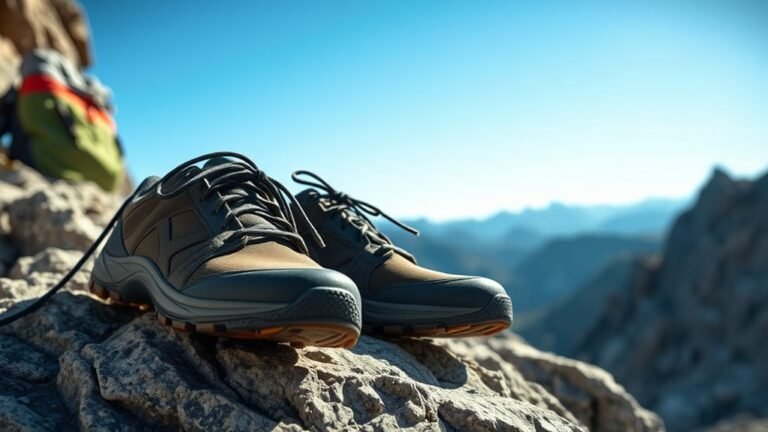
You’ll want to start with the right climbing shoes that fit snugly without discomfort. This will help you grip holds better.
Make sure your harness fits securely, and your chalk bag is ready to keep your hands dry. It’s the little things that make a big difference.
Don’t forget to wear comfortable clothing that allows full movement. And if you’re climbing outside, a helmet is a must for safety.
Essential Climbing Equipment
Wondering what gear you need to get started with rock climbing? As a beginner climber, focus on essential climbing equipment that guarantees safety and improves your grip.
Start by trying gear rental at your local gym to find what fits best before buying. Key items include:
- Climbing shoes: Snug but comfortable, designed for precision and grip on holds.
- Harness: Must fit snugly above your hips with adjustable straps for safety and comfort.
- Chalk bag: Filled with magnesium carbonate to keep your hands dry during climbs.
If you plan to climb outdoors, don’t forget a climbing helmet to protect against falling debris. Proper gear fitting and quality equipment are crucial for your climbing experience and safety.
Clothing And Footwear
Choosing the right clothing and footwear plays a crucial role in your comfort and performance during your first climbs. Start with comfortable clothes made from breathable fabric like athletic shirts and fitted clothing that won’t restrict movement.
Flexible pants or shorts will help you maneuver easily on the wall. For footwear, pick climbing shoes that fit snugly—usually a half to a full size smaller than your regular shoes—for better grip.
Shoes with a slight downturn work great on small holds, especially as you advance. Don’t forget essential outdoor climbing gear: a climbing harness and helmet for safety.
When climbing outside, bring extra clothing layers or a light jacket to adjust to changing weather. With the right gear, you’ll climb confidently and comfortably from the start.
Practice Basic Climbing and Belaying Skills
Before you start climbing, mastering basic climbing and belaying skills is essential for your safety and confidence. Begin by learning to tie the figure-8 Follow Through knot to secure your harness properly.
Practice belaying with a partner, focusing on harness checks, knot security, and clear communication commands like “On belay” and “Climb on.” Always follow safety procedures by double-checking gear setup and maintaining constant communication.
Use instructor-led practice sessions to build your skills and confidence in climbing movement and belaying. Visualize your progress through:
- Tying knots securely before every climb
- Communicating clearly with your partner throughout the climb
- Checking gear setup meticulously during practice
These steps ensure you develop the competence needed for safe and enjoyable climbing experiences.
Pick Your First Climbing Routes With Confidence
Once you’ve mastered the basics, selecting your first climbing routes is key to building confidence and skill. Start with beginner routes rated 5.1 to 5.5, designed to match your current skill level.
At climbing gyms, use color-coded holds and grade markers to easily identify easy routes suited for newcomers. Focus on proper technique—use your legs more than your arms and keep your hips close to the wall.
This approach helps you tackle beginner routes efficiently and safely. As you gain confidence, gradually challenge yourself by moving up to slightly harder routes.
Pay attention to difficulty ratings to avoid overreaching too soon. By progressing thoughtfully, you’ll build strength and skill steadily, ensuring a positive climbing experience every step of the way.
Take Your Climbing Outdoors When You’re Ready
Ready to take your climbing skills beyond the gym? Transitioning to outdoor climbing is thrilling but requires preparation. Start with easy outdoor routes rated 5.5 or lower to get familiar with natural rock features.
Enrolling in outdoor courses or guided trips is a great way to master outdoor climbing techniques and top-rope anchors, which are essential for safety outside.
Remember to bring proper outdoor gear and always climb with experienced partners who can help handle changing outdoor conditions.
And don’t forget to respect outdoor climbing etiquette—it protects the environment and other climbers too.
Focus on these key steps:
- Practice setting up and cleaning top-rope anchors securely
- Learn to read natural rock features for safe climbing
- Understand outdoor climbing etiquette and environmental care
Following this approach will help ensure a smooth, safe, and enjoyable outdoor climbing experience.
Frequently Asked Questions
How Do I Overcome Fear of Heights When Starting Rock Climbing?
You can overcome your fear of heights by starting slow, focusing on your breathing, and trusting your safety gear. Challenge yourself step-by-step, celebrate small wins, and remember that confidence grows with practice and time. You’ve got this!
What Should I Eat Before a Climbing Session for Optimal Energy?
You should eat a balanced meal with complex carbs, protein, and healthy fats about 1-2 hours before climbing. Try oatmeal with fruit, a banana with peanut butter, or yogurt and nuts for sustained energy.
How Often Should Beginners Rest Between Climbing Sessions?
You don’t need to rest until your arms beg for mercy—about 48 hours between sessions works. Climb every day? Sure, if you want your muscles to file a formal complaint. Rest smart, climb stronger.
Can Rock Climbing Help Improve Mental Health and Focus?
Yes, rock climbing can boost your mental health and focus. It challenges your problem-solving skills, reduces stress, and improves concentration. You’ll find yourself more mindful and confident as you navigate each climb.
Are There Specific Warm-Up Exercises Recommended Before Climbing?
Yes, you should warm up with dynamic stretches like arm circles, wrist rotations, and leg swings. Incorporate light cardio to increase blood flow, then gently stretch your fingers and forearms to prepare your muscles and prevent injury.
Conclusion
Now that you’ve got the basics down, it’s time to let your climbing journey take flight like a bird soaring up a mountain peak. Remember, every expert was once a beginner who embraced the challenge step by step.
Keep practicing, stay safe, and trust your gear and skills. Soon, you’ll be reaching new heights both indoors and out, turning those first tentative grips into confident climbs.
Your adventure is just beginning! With consistent effort and the right mindset, rock climbing for beginners can quickly become an exciting part of your life. So, keep pushing your limits, explore different routes, and enjoy every moment on the wall. Before you know it, you’ll be tackling more challenging climbs and truly mastering this incredible sport.