
10 Tips on What to Wear for Indoor Rock Climbing
For indoor rock climbing, it’s important to wear flexible, slim-fitting clothes like leggings or joggers made from moisture-wicking fabrics. These help you stay dry and move freely while climbing.
You want comfortable, stretchy pants and snug tops so nothing gets snagged or restricts your movement.
When it comes to shoes, rent climbing shoes that fit tightly and skip the socks for the best grip.
If you have long hair, make sure to tie it back securely to keep it out of your face.
Also, keep accessories to a minimum and remove any jewelry for safety reasons.
Layer lightweight clothing so you can easily adjust to the temperature inside the climbing gym.
Follow these tips, and you’ll find climbing not only safer but way more comfortable.
Ready to climb with confidence? Keep exploring for more detailed advice!
Choose Flexible and Stretchy Clothing
When you climb indoors, wearing flexible and stretchy clothing is essential to move freely and comfortably. The right climbing clothes should offer a full range of motion, allowing you to reach high steps and stretch wide without any restrictions.
Choose snug-fitting athletic wear like yoga pants, leggings, or flexible shorts made from materials such as polyester or spandex. These fabrics stretch with your movements, preventing discomfort and avoiding any risk of ripping.
Avoid stiff, rigid materials that limit your flexibility and could snag on holds or seams. Your clothing should let you extend your arms and legs smoothly, enhancing both your safety and performance.
Opt for Moisture-Wicking Fabrics
You’ll want to choose moisture-wicking fabrics like polyester or nylon that pull sweat away from your skin. These materials use capillary action to move moisture to the surface, helping it evaporate quickly.
Staying dry keeps you comfortable and improves your grip during climbs. So, picking the right fabric really makes a difference!
Sweat Management Benefits
Because sweat can quickly become a distraction during your climb, choosing moisture-wicking fabrics helps keep you dry and comfortable. Moisture-wicking clothing pulls sweat away from your skin, moving it to the fabric’s surface where it evaporates rapidly.
This process prevents the damp, sticky feeling that can cause chafing and skin irritation. When you stay dry, you maintain better grip and focus, which are essential for tackling challenging routes.
Indoor climbing gyms often recommend moisture-wicking shirts and pants because they reduce sweat buildup, promoting hygiene and performance. By wearing the right moisture-wicking clothing, you’ll not only feel more comfortable but also boost your confidence and endurance during your climbs.
Managing sweat effectively is a simple yet vital step to climbing success indoors. It really makes a difference!
Fabric Types Explained
Managing sweat effectively starts with choosing the right fabric for your climbing attire. Opt for moisture-wicking fabrics made from synthetic materials like polyester or nylon. These fabrics use capillary action to pull sweat away from your skin, channeling moisture to the surface where it evaporates quickly.
Unlike cotton, which soaks up sweat and stays damp, moisture-wicking materials keep you dry and comfortable, even during intense climbing sessions. Many sports-specific garments also feature mesh panels or breathable textures to boost airflow and enhance moisture management.
Select Slim-Fitting Tops and Bottoms
Choose slim-fitting tops and bottoms to keep your movements unrestricted and avoid fabric snagging on holds. Tight clothing also boosts your grip and helps you stay aware of your body’s position.
Steer clear of loose clothes that can get in the way or block your view of footholds. Trust me, it makes a big difference when you’re climbing!
Benefits of Slim Fit
When you wear slim-fitting tops and bottoms for indoor rock climbing, you minimize the chances of fabric snagging on holds or gear. Slim-fit climbing pants and tops offer better control, letting you move precisely without excess fabric bunching or getting caught.
Wearing form-fitting gear also improves tactile feedback from holds, helping you climb more accurately. Plus, slim-fit clothes stay put during dynamic moves, preventing distractions or wardrobe issues.
| Benefit | Why It Matters | Example |
|---|---|---|
| Reduced snagging | Avoid gear catching fabric | Slim-fit climbing pants |
| Precise movement | Better control and positioning | Fitted tops and bottoms |
| No bunching | Enhances safety | Streamlined attire |
| Improved feedback | Climbing accuracy | Form-fitting gear |
| Secure fit | Prevents distractions | Clothes stay in place |
Avoiding Loose Fabrics
Although loose fabrics might feel comfortable, they can easily snag on holds or gear. This creates safety risks and distractions during your climb.
Choosing slim-fitting tops and climbing pants helps prevent your clothing from catching on holds or equipment. That way, you can focus more on your technique.
Loose fabrics can also hinder your movement, making dynamic moves or high steps more challenging. Plus, they increase the risk of tripping.
When you wear form-fitting apparel, your instructors and spotters can clearly see your body positioning. This improves safety and guidance.
Plus, slim-fitting clothes reduce fabric bunching or riding up, so you stay comfortable and mobile throughout your climb. Pair your fitted climbing pants with properly sized climbing shoes for *ideal* performance and safety on the wall.
Wear Comfortable Pants or Shorts
Because your legs need to move freely and stay protected, wearing stretchy, flexible pants or longer shorts is essential for indoor rock climbing. Choose climbing pants or shorts that let you bend, stretch, and reach without restriction.
When wearing layers, you can adjust for temperature and comfort during your climb. Here’s what to keep in mind:
- Pick stretchy materials like leggings, joggers, or climbing-specific trousers for full mobility.
- Opt for longer shorts or capris to protect your knees on high steps and overhangs.
- Avoid stiff jeans or non-stretchy fabrics that limit movement.
- Select slim-fit, abrasion-resistant pants to prevent fabric snags and protect your legs from scrapes.
Comfort and functionality in your pants or shorts make a big difference in how well you climb indoors. So, go for gear that feels good and moves with you!
Rent Proper Climbing Shoes
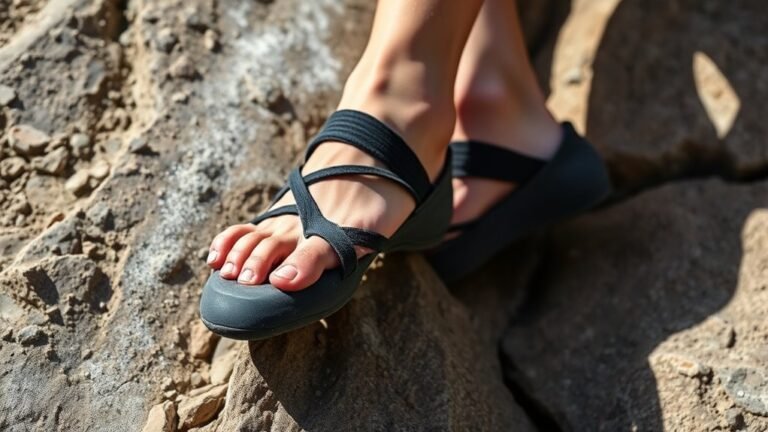
After choosing comfortable pants or shorts, the next step is to rent proper climbing shoes at the gym. Climbing shoes should fit snugly but not cause pain, giving you maximum control on holds with their sticky rubber soles.
Always rent shoes at the climbing gym to guarantee the right fit and maintain hygiene. Avoid wearing them outside the gym to keep them clean and germ-free.
| Feeling | Fit | Purpose |
|---|---|---|
| Confidence | Snug | Grip |
| Comfort | Tight (not painful) | Safety |
| Excitement | Supportive | Control |
Renting climbing shoes regularly helps maintain their condition, so you can climb safely and comfortably every session. It’s worth it for the best climbing experience!
Avoid Wearing Socks Inside Climbing Shoes
When you put on climbing shoes, skip the socks to get the best grip and feel on holds. Socks create extra bulk, reducing the snug fit climbing shoes are designed for.
This bulkiness can cause slipping and less control, making precise foot placements harder. Going sockless enhances sensitivity and performance, allowing your feet to better “read” the surface.
Here’s why you should avoid socks inside climbing shoes:
- Socks reduce direct contact with holds, lowering grip.
- They cause your climbing shoes to fit more loosely.
- Bulk from socks hampers precise foot placement.
- Bare feet improve feel and control on the wall.
If hygiene concerns arise, go for thin, low-profile socks. But honestly, barefoot is preferred for the best climbing shoe performance.
Keep Accessories Minimal and Practical
Keep your accessories simple to stay safe and comfortable while climbing. Avoid wearing jewelry or rings that could catch on holds.
Also, make sure to tie your long hair back securely to prevent distractions. It really helps keep your focus.
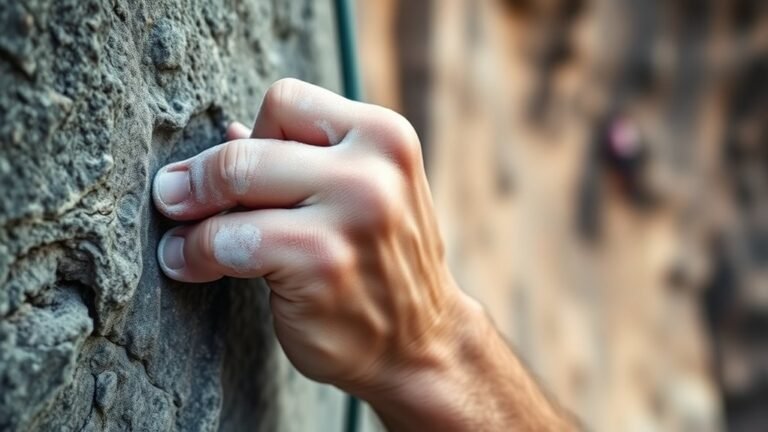
Use chalk sparingly to improve your grip without relying on extra hand products. That way, you stay effective without overdoing it.
Avoid Jewelry and Rings
Although jewelry can add personal style, you should remove rings, necklaces, and dangly earrings before climbing to prevent snagging on holds or gear. Leaving jewelry on increases the risk of injury, damage to your accessories, or even losing valuable items.
Many climbing gyms recommend removing all jewelry to ensure a safer, cleaner environment. To keep your climb smooth and safe, follow these tips:
- Take off rings to avoid them catching on holds or harness straps.
- Remove necklaces to prevent entanglement during movement.
- Avoid dangly earrings that can snag or cause discomfort.
- Opt for no accessories or minimal, tight-fitting ones if necessary.
Secure Long Hair
Just like jewelry, long hair can become a hazard if it’s not properly managed during your climb. To stay safe, secure your long hair with a tight hair tie or braid so it won’t obstruct your vision or get caught on holds.
Avoid loose accessories like dangling earrings or hairpins that might snag on gear. Keeping your hair away from your face and shoulders helps maintain clear visibility and focus.
Consider using breathable headbands or sports caps to manage sweat and keep hair in place without interfering with your movement. Before you start climbing, check that your hair is secure, and recheck during breaks.
This simple step ensures your long hair won’t distract you or cause accidents while you’re scaling the wall. It’s an easy way to stay safe and focused up there!
Use Chalk Sparingly
While chalk can considerably improve your grip during indoor rock climbing, using it sparingly helps prevent excess dust buildup on holds and in the air. You want to balance grip enhancement with cleanliness and avoid relying too heavily on chalk.
Keep your accessories minimal and practical to prevent snagging or distractions.
Here’s how to manage chalk and accessories effectively:
- Use a chalk bag or loose chalk moderately—don’t overload your hands.
- Avoid bulky or noisy accessories like jewelry that might catch on holds.
- Opt for simple functional accessories, such as a hair tie or headband, to keep hair out of your face.
- Regularly clean your chalk bag and accessories for better performance and hygiene.
This approach keeps your climbing experience safe, clean, and efficient.
Tie Back Long Hair Securely
Because long hair can easily get in your way during climbs, you should tie it back securely with a tight ponytail or braid. This keeps your hair out of your face and prevents it from catching on holds or gear.
It also reduces the risk of tangling on ropes or harnesses. Using a breathable headband or hair tie helps absorb sweat and maintain a firm hold throughout your climb.
Keeping your long hair secured minimizes distractions, letting you focus on your technique. Remember to regularly check your hairstyle to avoid interruptions or hazards.
| Feeling Focused | Feeling Safe |
|---|---|
| Hair out of eyes | No snagging risks |
| Sweat absorbed | Secure all climb |
| Less distraction | Climb with ease |
Dress in Layers for Temperature Control
When you climb indoors, dressing in layers lets you quickly adjust to temperature changes and stay comfortable throughout your session. Layering with breathable fabrics ensures you won’t overheat or get chilled, no matter how intense your climb gets.
Start with moisture-wicking base layers that keep sweat off your skin. Add or remove outer layers like lightweight jackets or hoodies to regulate your temperature easily.
Here’s how to master layering for indoor climbing:
- Wear a moisture-wicking base layer to stay dry.
- Choose breathable fabrics that promote airflow.
- Add a light hoodie or jacket for warmth.
- Remove outer layers as you warm up during your climb.
This simple layering strategy helps you stay comfortable and focused every time you climb indoors. It’s easy to do and makes a big difference!
Remove Jewelry to Prevent Snagging
Adjusting your layers helps regulate your body temperature, but removing jewelry can prevent distractions and safety risks during your climb. Jewelry like rings, necklaces, and earrings can easily snag on holds or climbing gear, risking injury and damage.
When you take off your jewelry before climbing, you diminish the chance of it catching and interrupting your movement. Loose or dangling pieces can distract you and hinder your performance, so it’s best to tuck them away safely in a bag or pocket.
Many gyms actually recommend or require removing jewelry to keep the environment safe for everyone. By removing your jewelry, you ensure a smoother, safer climb without worrying about snagging or losing valuable items.
Conclusion
Now that you know what to wear for indoor rock climbing, you’re ready to climb with confidence and comfort. Remember, flexible clothes move with you, moisture-wicking fabrics keep you dry, and slim fits prevent snags.
Tie back your hair, ditch the jewelry, and layer up to conquer any temperature. Gear up smart, climb smart—because when you dress right, every reach and grip feels just right.
Choosing the right indoor climbing clothes is key to your performance and safety. Whether it’s breathable tops or stretchable bottoms, the right gear helps you tackle every wall with ease. So, get your climbing shoes, chalk bag, and comfortable attire, and let’s hit the gym! Ready, set, climb!