What to Wear for Rock Climbing at the Gym: Top 10 Outfits
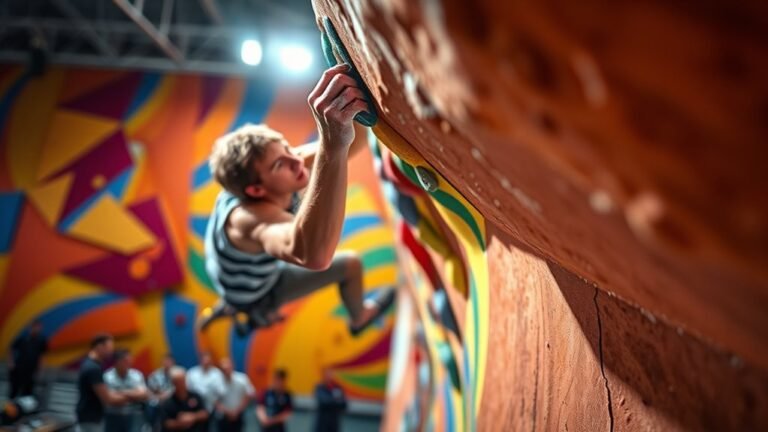
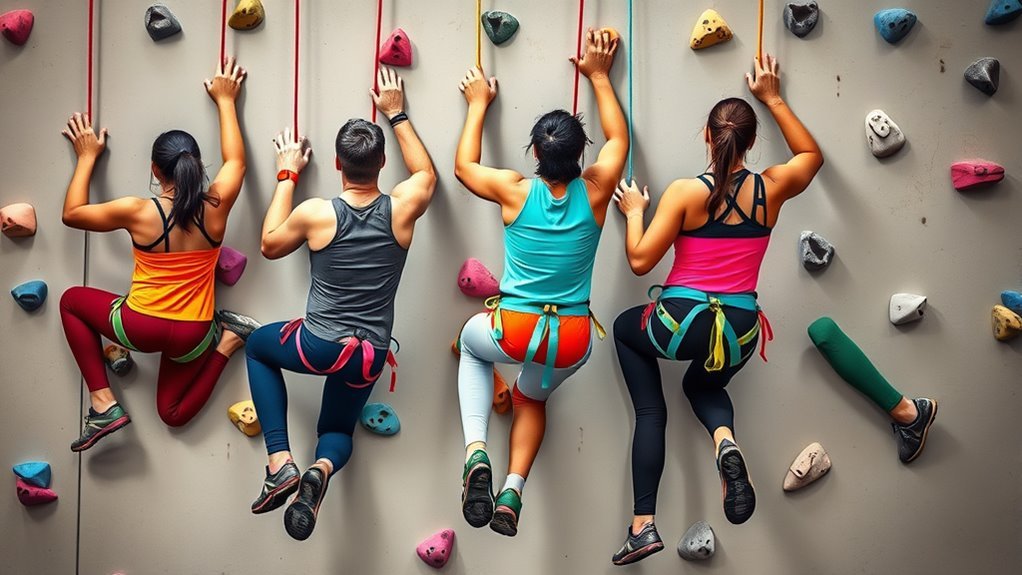
For rock climbing at the gym, it’s best to wear fitted, moisture-wicking tops like tank tops or long sleeves. These keep you dry and agile while you climb.
Pair them with flexible, durable bottoms such as yoga pants or climbing leggings so you can move freely and comfortably.
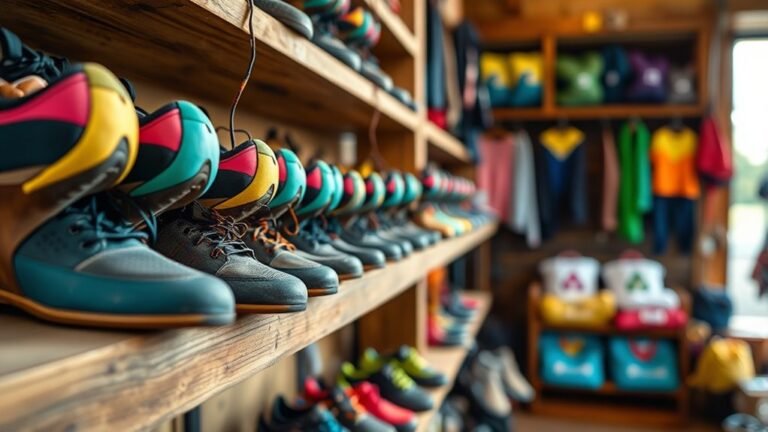
Snug climbing shoes that hold your foot securely are a must, whether you wear thin socks or go barefoot inside the shoes.
You’ll want to avoid loose clothes and jewelry since they can snag on holds or gear.
Also, layering smartly helps you adjust to the gym’s temperature, and managing long hair is important for safety.
Keep reading to discover the best outfit choices that fit your climbing style and skill level perfectly!
Key Takeaways
- Wear fitted, moisture-wicking tops like tank tops or sleeveless shirts for comfort, ventilation, and shoulder mobility during climbing. They really help keep you cool and moving freely. Plus, no one wants to feel restricted while tackling those holds.
- Choose flexible, breathable bottoms such as yoga pants, climbing leggings, or shorts that allow full range of motion without snagging. It’s all about feeling comfortable and confident as you climb.
- Select snug climbing shoes with a secure heel and arch fit, with or without thin socks, based on sensitivity and comfort preferences. Finding the right fit can make a big difference in your grip and performance.
- Avoid loose clothing, jewelry, and accessories that could snag or restrict movement, and tie back long hair securely to prevent hazards. Safety first, right? Keeping things streamlined helps you focus on the climb.
- Layer moisture-wicking base layers with insulating pieces if needed, and bring essential accessories like chalk bags, headbands, and safety gear. Being prepared means you can climb longer and stay comfortable throughout your session.
What to Wear for Indoor Climbing: Key Clothing Features
When you’re choosing what to wear for indoor climbing, focus on clothing that moves with you. Your clothing choices should prioritize moisture-wicking fabrics to keep you dry and comfortable throughout your climb.
Opt for lightweight, stretchy materials like polyester blends or spandex that allow a full range of motion without restriction. Avoid baggy or overly loose clothes—they can snag on holds or interfere with your climbing gear, creating hazards.
Instead, pick form-fitting tops and bottoms that stay snug but don’t feel tight, so they won’t shift or ride up during movement. By selecting flexible, breathable clothing, you’ll enhance both your safety and performance, ensuring your gear works seamlessly with your body as you tackle the wall.
Choosing the Best Tops for Indoor Climbing
Since your arms need full freedom to move, picking fitted, moisture-wicking tops made from stretchy fabrics is essential for indoor climbing. These tops guarantee a snug fit that won’t bunch or ride up as you reach and stretch.
Opt for sleeveless or tank tops to maximize shoulder mobility and improve ventilation, especially in warm gym environments. Avoid loose or baggy shirts since they can snag on holds or block your view.
Look for tops with flat seams to reduce chafing during longer sessions. Prioritizing moisture-wicking materials helps keep sweat off your skin, enhancing comfort and grip.
Best Bottoms for Comfort and Flexibility While Climbing
When picking bottoms for climbing, you want something that moves with you, like yoga pants or climbing-specific leggings. Shorts can work well too, especially in warmer gyms. But make sure they don’t restrict your range of motion.
Let’s explore how to choose between flexible pants and shorts for the best comfort and performance. It’s all about finding what feels right for you and keeps you climbing strong.
Flexible Pants Options
Although you might be tempted to wear any comfortable pants, choosing flexible bottoms specifically designed for climbing will improve your range of motion and overall comfort. Opt for stretchy pants made of moisture-wicking fabrics to keep you dry and agile during climbs.
Look for articulated knees that allow full leg extension without restriction or discomfort. Here are four flexible pants options to consider:
- Yoga pants or leggings with stretchy, breathable materials
- Climbing-specific pants featuring gussets and articulated knees
- Lightweight pants that promote airflow and prevent overheating
- Slim-fit pants that reduce snag risks on holds or walls
Picking pants with these features ensures durability, flexibility, and safety. It’ll help you climb confidently and comfortably every session.
Shorts Versus Leggings
Choosing the right bottoms plays a big role in your climbing comfort and flexibility. When deciding between shorts and leggings, consider what matters most to you.
Leggings offer full coverage and stretch, giving you unrestricted movement and extra protection against scrapes during climbs. They’re perfect if you want comfort without worrying about skin contact with rough surfaces.
On the other hand, shorts provide better ventilation, keeping you cooler in warmer gym environments. If you prefer a less restrictive feel around your hips and thighs, shorts might be more comfortable.
Whichever you choose, make sure they fit snugly without being too tight to avoid snagging or limiting your movement. Both shorts and leggings can help you climb comfortably and flexibly if you pick the right fit.
How to Pick the Right Indoor Climbing Shoes (And Socks)
You want climbing shoes that fit snugly without causing pain, so you get precise foot placement and solid grip. Most climbers skip socks to feel the wall better, but wearing thin socks can add comfort if you prefer.
Choosing between Velcro or laces and the right shoe shape depends on your climbing style and personal fit. It’s all about what feels best for you when you’re on the wall.
Choosing Proper Shoe Fit
How should your indoor climbing shoes fit to give you the best performance? Your climbing shoes should fit snugly, with your toes slightly curled but not in pain.
A proper fit guarantees better grip and control on holds.
Here’s how to choose the right fit:
- Your toes should touch the front comfortably without dead space.
- The shoes must hold your heel and arch securely to prevent slipping.
- Avoid any bunching inside the shoe for consistent sensitivity.
- Try shoes on both with and without thin socks to find your comfort balance.
Socks: Wear Or Skip
Finding the right fit for your climbing shoes is just part of the equation; deciding whether to wear socks with them can also influence your comfort and performance. Most climbers opt to skip socks to maximize sensitivity and grip, allowing the shoe to hug their foot closely for better precision.
However, wearing thin, low-cut socks can boost comfort and reduce blisters, especially if you’re new or have sensitive skin. Socks also help absorb sweat, keeping your feet dry, but they may slightly reduce the shoe’s fit and sensitivity.
Ultimately, it’s about what feels best for you and your climbing shoes. Try both ways to see if socks improve your comfort without sacrificing too much sensitivity on the holds.
Layering Clothes for Indoor Climbing Comfort
Although indoor climbing gyms usually maintain a stable temperature, layering your clothes lets you quickly adjust to changes in warmth or activity level. Layering clothes with the right materials ensures comfort and performance throughout your session.
Start with a moisture-wicking base layer to keep sweat off your skin. Add a flexible, insulating layer if the gym feels chilly or during breaks. Make certain every layer allows a full range of motion so your climbing isn’t restricted.
- Choose a lightweight, moisture-wicking base layer.
- Add a thin fleece or jacket for warmth.
- Opt for flexible fabrics that move with you.
- Remove or add layers as your body heats up or cools down.
This approach keeps you comfortable and ready to climb efficiently.
Accessories You’ll Want for Indoor Climbing
You’ll want a few key accessories to make your indoor climbing sessions smoother and safer. A chalk bag helps keep your hands dry for a better grip, while hair ties and safety gear protect you during climbs.
Let’s look at how these essentials can improve your experience on the wall. You’ll notice the difference right away!
Essential Climbing Accessories
Several essential accessories can enhance your indoor climbing experience by improving grip, comfort, and focus. Beyond your basic gear, these items make a noticeable difference.
- Chalk bags: Carry your own chalk bag with a secure belt to maintain grip and reduce reliance on gym chalk.
- Belay devices: Choose a reliable belay device to ensure safety and smooth rope handling.
- Sweat-wicking accessory: Wear a headband or wristband to keep sweat and hair out of your eyes, helping you concentrate on each move.
- Brush: Bring a small brush to clean holds and improve friction on textured surfaces.
These accessories really boost your performance and comfort. Plus, they make your climbing sessions safer and more enjoyable.
Chalk Bag Benefits
When you climb indoors, having a chalk bag keeps your chalk within easy reach. This way, you can quickly improve your grip whenever your hands get sweaty.
A chalk bag enhances climbing safety by reducing slip risks, letting you focus on your moves. It usually comes with a secure closure and an attachment belt or clip, so you can easily carry it on your harness or waistband.
Plus, choosing your preferred chalk type keeps your grip consistent. Remember to refill and clean your chalk bag regularly to maintain its effectiveness.
| Benefit | Description |
|---|---|
| Easy Access | Quick chalk reach for grip control |
| Personalized Chalk | Choose magnesium carbonate or liquid |
| Secure Attachment | Belt or clip for hands-free carry |
| Safety Boost | Reduces sweat, improving climbing safety |
Hair and Safety Gear
Although indoor climbing gyms prioritize safety, taking extra precautions with your hair and gear can make a big difference. Managing your long hair properly and choosing the right safety gear helps you climb confidently and avoid accidents.
Here’s what you should focus on:
- Tie back long hair with a secure hair tie or braid to keep it from getting caught in belay devices or holds.
- Use headbands or sweatbands to keep hair and sweat out of your face for clear vision.
- Avoid loose jewelry like dangling earrings or necklaces that can snag and cause hazards.
- Make sure your safety gear—harness, belay devices, and helmets—fits well and is regularly inspected for safety.
Following these tips will keep your climbs safer and more comfortable. Give them a try!
What Not to Wear to the Climbing Gym
Because safety and comfort are essential, you should avoid wearing jewelry like rings or necklaces that can snag on holds or ropes. Loose clothing is another no-go; baggy pants or tops can get caught on holds or interfere with your harness fitting properly.
At the same time, steer clear of restrictive clothes that limit your movement or cause discomfort during climbs. Flowing shirts might look stylish, but they can obstruct your vision or get tangled in equipment, creating hazards.
Leave accessories such as watches, scarves, or anything loose at home to stay focused and safe. By avoiding these items, you’ll guarantee your climbing sessions are both safe and comfortable without distractions or risks caused by your outfit choices.
Outfit Ideas for Different Climbing Styles and Levels
Choosing the right outfit depends on your climbing style and skill level, as each demands different clothing features for comfort and performance. Whether you’re just starting out or climbing competitively, your climbing clothes should be comfortable, flexible, and moisture-wicking.
Here are some outfit ideas to suit your needs:
- Beginners: Wear moisture-wicking tops with gym shorts or yoga pants for maximum comfort and flexibility. It’s all about feeling good while you learn the ropes.
- Bouldering: Choose tight-fitting tops and abrasion-resistant leggings to protect your knees and allow free movement. You want gear that moves with you and stands up to rough surfaces.
- Lead climbing: Opt for longer shirts that stay tucked in, paired with breathable, stretchable pants or shorts. Staying comfortable and unrestricted is key here.
- Advanced/Competition: Go for form-fitting, moisture-wicking shirts and specialized climbing shoes to enhance grip and reduce snagging. Every bit of performance gear helps when you’re pushing your limits.
Tailor your gear to your climbing style for the best experience. Trust me, the right outfit can make a big difference!
How to Grow Your Climbing Wardrobe as You Progress
As you gain experience and confidence in climbing, your wardrobe should evolve to match your growing needs. Start with basic, comfortable clothes, then gradually add specialized gear like climbing shoes and chalk bags.
As you progress, invest in multiple pairs of shoes designed for different styles such as bouldering or sport climbing to boost your performance. Incorporate moisture-wicking and breathable fabrics to stay comfortable during longer sessions.
Build your climbing wardrobe by adding layers like lightweight jackets or arm sleeves, especially for outdoor or colder indoor climbs. Explore performance-oriented clothing from brands like Outdoor Research and Arc’teryx to enhance mobility and durability.
This way, your gear will support your climbing goals every step of the way. It’s all about making sure you’re comfortable and ready for whatever challenge comes next.
Tips for Caring for Your Climbing Gear and Clothes
Proper care of your climbing gear and clothes extends their lifespan and keeps you performing at your best. Focusing on gear maintenance and cleaning is essential to protect your investment and guarantee safety.
Here are some tips for effective gear care:
- Wash your climbing clothes and gear regularly following manufacturer instructions to remove chalk, sweat, and dirt that degrade fabrics and rubber.
- Store your gear in a cool, dry spot away from sunlight to prevent material deterioration, especially for shoes and chalk bags.
- Inspect climbing shoes, harnesses, and chalk bags for wear like thinning rubber or frayed straps, repairing or replacing as needed.
- Clean shoes gently with a damp cloth, avoiding harsh chemicals or soaking, and keep your chalk bag free of debris for maximum grip.
Stick to these habits to keep your gear in top shape.
Frequently Asked Questions
What Do People Wear to Rock Climbing Gyms?
You wear flexible, moisture-wicking tops like T-shirts or tank tops and stretchy bottoms like leggings or shorts. You’ll wear snug climbing shoes without socks and avoid baggy clothes or jewelry that could get caught or slow you down.
Is Rock Climbing Good for Dyspraxia?
You might be surprised, but rock climbing is excellent for dyspraxia. It boosts your coordination, planning, and balance while challenging your motor skills. With regular practice, you’ll gain confidence and improve your overall body control.
Can I Wear Leggings to Rock Climb?
Yes, you can wear leggings to rock climb. Just pick stretchy, moisture-wicking ones that fit snugly without being too tight. Avoid baggy styles, and pair them with a fitted top to keep comfortable and safe while climbing.
Is There a Dress Code for Rock Climbing?
You generally won’t find a strict dress code for rock climbing, but gyms want you to wear flexible, fitted clothes that don’t snag or restrict movement. Avoid loose items and open-toed shoes to stay safe and comfortable.
Conclusion
So, ready to scale the walls of fashion faux pas? Remember, rocking up in a ball gown might turn heads but won’t get you far on the climbing wall. Choose clothes that stretch, breathe, and don’t turn you into a human sauna.
Your climbing outfit isn’t just about looking cool—unless you want your sweat stains to start their own art exhibit. Dress smart, climb smarter, and leave the runway for the runway.
When picking gym climbing clothes, comfort and functionality should be your top priorities. Breathable fabrics, flexible fits, and moisture-wicking materials help you stay cool and move freely. After all, the right rock climbing outfit can boost your confidence and performance.
So, whether you’re a beginner or a seasoned climber, invest in clothes that support your moves without sacrificing style. Rock climbing at the gym is all about combining practicality with a bit of flair—because climbing gear should work as hard as you do.