Is Rock Climbing Dangerous and How Can You Stay Safe?
Rock climbing is often seen as an adventurous sport, but is it really dangerous? The good news is that it has a relatively low injury rate of about 0.25%. Most injuries happen because of falls or simple human errors.
So, while there are risks, many can be managed with the right precautions.
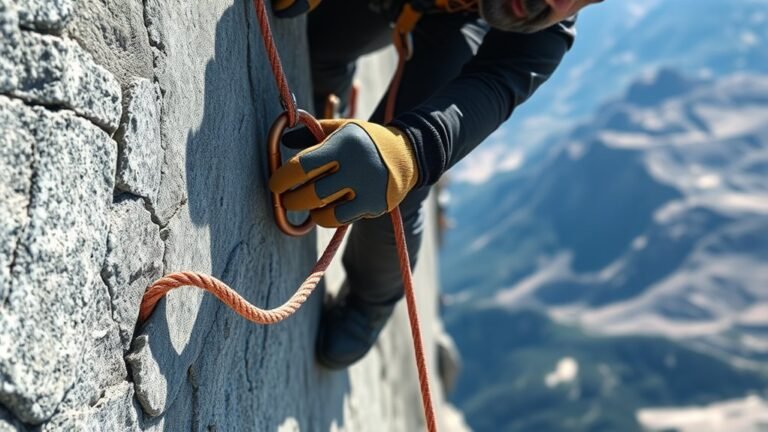
You can stay safe by wearing a helmet and using well-maintained gear. Practicing proper belaying techniques is also key to preventing accidents.
Always check your partner’s equipment before you start. Planning your route carefully helps avoid unexpected challenges.
And don’t forget to keep an eye on the weather — hazards like falling rocks or lightning storms can pop up suddenly.
With solid preparation and attention to safety, you’ll enjoy climbing while minimizing risks. Keep exploring to uncover more key strategies that keep you secure outdoors!
Understanding the Risks of Rock Climbing
Although rock climbing carries some risks, you’ll find that injuries are relatively rare and usually minor, like scrapes or strains. The injury rate sits around 0.25%, with falls and human error being the main causes.
Rock fall contributes to about 5% of injuries, which is why wearing a helmet is essential. Proper safety equipment and consistent training play a big role in reducing these risks.
While serious accidents are extremely rare, understanding the potential dangers helps you stay alert and cautious. By acknowledging the risks and committing to good practices, you’ll minimize the chance of injury and enjoy rock climbing safely.
Essential Safety Practices for Outdoor Climbing
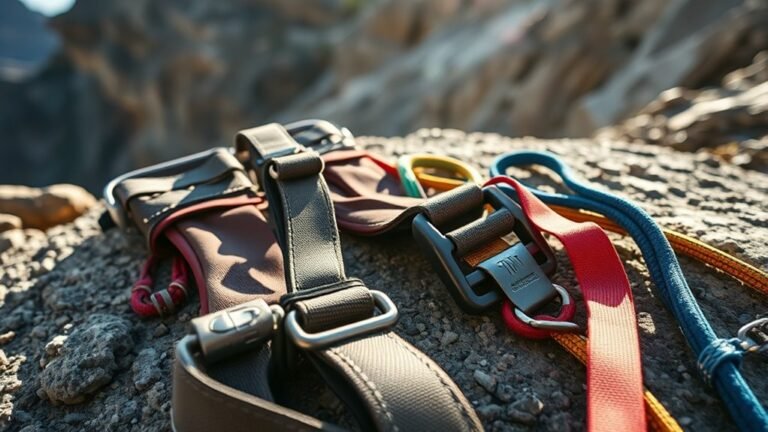
Understanding the risks of rock climbing sets the foundation for staying safe outdoors. Always perform thorough partner checks, verifying harnesses, knots, and belay devices before you climb to prevent human error.
Use proper safety gear like a helmet, well-maintained ropes, and reliable climbing equipment, inspecting everything regularly for wear or damage. Plan your route carefully, researching hazards and communicating clearly with your partner to ensure mutual understanding.
Monitor weather conditions closely and be ready to turn back if dangers like lightning or falling rocks appear. Master proper belaying techniques, including the PBUS method, to maintain control during ascent and descent.
Following these essential safety practices helps minimize climbing injuries and keeps your outdoor experience secure and enjoyable. Staying safe means having more fun!
Conclusion
Rock climbing does come with risks—about 90% of injuries happen due to preventable mistakes—but you can stay safe by following essential practices. Always double-check your gear, communicate clearly with your climbing partner, and never rush your moves.
By staying vigilant and prepared, you’ll reduce your chances of injury and enjoy the thrill of climbing confidently. Remember, safety isn’t just a habit; it’s your best climbing partner.
Staying safe while rock climbing means being aware of your surroundings and trusting your equipment. When you prioritize safety, you not only protect yourself but also enhance your overall climbing experience. So, keep these safety tips in mind every time you climb, and you’ll be able to enjoy the excitement of rock climbing while minimizing the dangers involved.