10 Facts About How Many People Have Died Climbing Half Dome
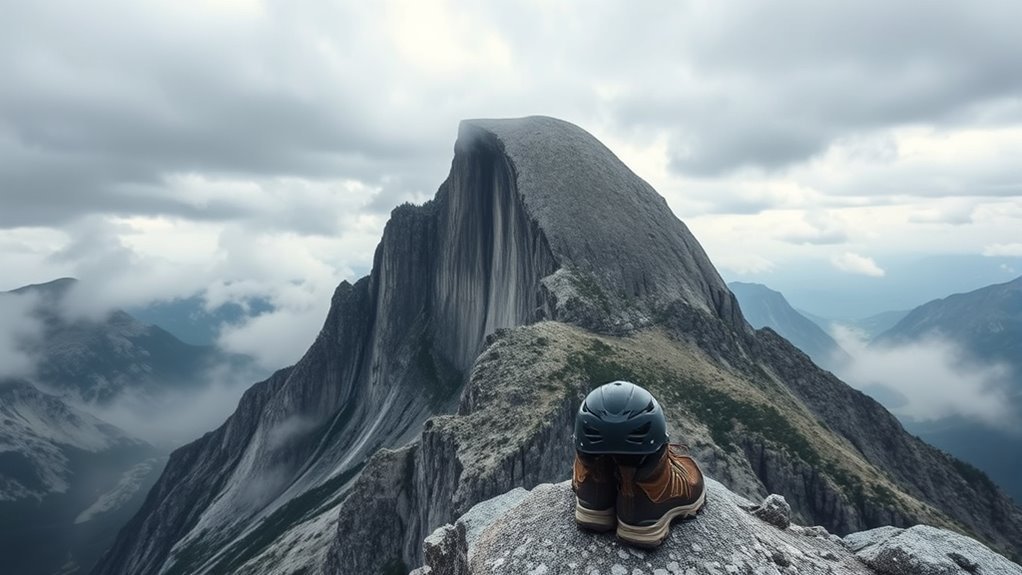
You’ll find that at least 25 people have died on Half Dome’s cables and summit. When you include the surrounding trails, total fatalities reach between 40 to 60.
Most deaths come from falls, especially on that steep, slippery cable section.
Some have also died from lightning strikes during storms. Weather plays a big role, often making the granite slick and dangerous to climb.
Safety measures and permits help reduce risks, but the climb remains challenging.
Keep exploring to uncover more details about these risks and protections. Understanding these facts can help you prepare better for your adventure on Half Dome. Stay safe out there!
Key Takeaways
- At least 25 accidental deaths have occurred on Half Dome’s cable section and summit as of 2026.
- Total fatalities including surrounding trails range between 40 to 60 since records began.
- Since 1948, at least 15 deaths have happened specifically on the cables.
- About 15 deaths since 2004 resulted from falls on the steep cable route.
- Lightning strikes and storms have caused at least three fatalities on the summit or exposed granite faces.
How Many People Have Died Climbing Half Dome?
When you consider the dangers of climbing Half Dome, it’s important to know that at least 25 accidental deaths have occurred on the cable section and summit as of 2026. These deaths highlight the serious risks involved in climbing this iconic Yosemite peak.
Many fatalities result from falls, especially on the steep cable route where footing can be tricky. Since 1948, at least 15 deaths have been documented specifically on the cables, underscoring the persistent hazards despite safety measures.
Falls are common on the steep cable route, with at least 15 deaths since 1948 despite safety efforts.
Total fatalities, including surrounding trails, are estimated between 40 to 60. Even with popular climbs and improved awareness, accidents still happen, often during poor weather.
If you plan to climb Half Dome, understanding these risks and respecting the mountain’s challenges is vital to your safety. Stay alert, be prepared, and don’t underestimate the climb.
What Are the Main Causes of Death on Half Dome?
When you climb Half Dome, the biggest danger comes from falls, especially on the slippery cable route during bad weather.
Lightning strikes have also tragically claimed lives, mainly on the summit during storms.
Understanding these risks can help you stay safer on your climb.
Fall-Related Fatalities
Why do so many fall-related fatalities happen on Half Dome? Since 2004, at least 15 deaths have been linked directly to falls on the Half Dome cables. These fall-related deaths often result from slipping on wet or icy granite, especially during bad weather conditions.
When rain or storms hit, the granite becomes dangerously slick, increasing the risk while rock climbing or hiking the exposed terrain. Many fatalities occur because climbers lose grip or footing on the cables, struggling to maintain balance.
If you’re inexperienced or unprepared for these conditions, you’re far more likely to slip. Using proper safety gear, staying aware of weather changes, and proceeding cautiously can drastically reduce your chance of falling and becoming another tragic statistic on Half Dome.
Lightning Strike Incidents
Although many risks exist on Half Dome, lightning strikes stand out as a deadly hazard during thunderstorms on the summit. Lightning deaths have caused at least three Half Dome fatalities, all occurring when hikers were caught on the exposed summit or cable route during sudden storms.
You need to understand that lightning strikes happen without warning, making it essential to avoid ascending when thunderstorms are forecasted. The park strongly warns against hiking in stormy weather because the risk of being struck is especially high in the summer months.
Those summer months also happen to be the busiest hiking season. So, it’s really important to be cautious. If you find yourself on the exposed summit or cable route during a thunderstorm, you’re at serious risk of a lightning strike, which can cause immediate death.
Staying alert to weather conditions is key to preventing these dangerous incidents. Always keep an eye on the forecast and don’t take chances when storms are in the area.
Why Falls on Half Dome Cables Are So Dangerous
When you climb the Half Dome cables, you’re facing a steep, exposed slope that offers little room for error. Weather can turn the granite slick and slippery, making every step more hazardous.
These conditions combine to make falls especially dangerous and often deadly. It’s not just a simple slip—you’re dealing with serious risks up there. So, you really have to be careful and prepared.
Steep Exposure Risks
Because Half Dome’s cable section rises at a steep 45-degree angle, any slip can quickly turn deadly. You risk falling nearly 400 feet onto jagged rocks below.
The cables you rely on offer limited protection against falls, especially when the granite becomes slippery from rain, dew, or wear. This steep exposure means you have little room for error. Losing your grip can result in severe injury or death.
The danger isn’t just from the height but also the exposed nature of the climb. A fall is almost always catastrophic.
Understanding these steep exposure risks is vital before you attempt the ascent. The combination of slippery granite and cables makes every step a matter of life or death.
Weather Impact Hazards
The steep, exposed climb on Half Dome becomes even more treacherous under adverse weather conditions. When rain soaks the granite, the wet surface turns slippery, making it much harder to maintain your grip on the cables.
Storm clouds can roll in quickly, bringing sudden downpours and drastically increasing the risk of weather-related accidents. Lightning deaths are another serious threat. Hikers caught on the exposed cables during thunderstorms face deadly strikes.
About 15% of all accidents on Half Dome are linked to weather, with rain and lightning being the main culprits. If you find yourself climbing during stormy conditions, the wet granite and slick cables really raise your chance of a dangerous fall. So, it’s essential to avoid the ascent when the weather turns bad.
How Lightning Strikes Threaten Half Dome Hikers
How should you respond if a storm suddenly rolls in while you’re climbing Half Dome? Lightning strikes have caused at least three deaths on the summit and cable route, so it’s super important to act quickly.
Thunderstorms can develop really fast in Yosemite, and the exposed granite slopes around Half Dome put you at high risk. If you spot dark clouds or hear thunder, don’t wait—avoid the summit and cable section immediately.
These spots are especially vulnerable during storms, so try to find lower ground and shelter as soon as you can. Historically, lightning-related deaths have shown just how dangerous it is to ignore changing weather.
Climbing Accidents Beyond the Cable Route at Half Dome
While many hikers focus on the cable route, climbing accidents beyond Half Dome’s summit trail also pose serious risks. You’ll find technical routes like Snake Dike, where climbing accidents often happen due to falls from natural rock formations.
These areas demand advanced skills, and a single slip can lead to severe injuries or fatalities. Weather adds to the danger—lightning strikes during storms have caused fatal incidents on these exposed granite faces.
Advanced skills are crucial—one slip or storm lightning can cause deadly falls on exposed granite faces.
Unlike the well-traveled cable route, these climbs offer little margin for error. If you plan to tackle these technical routes, you must prepare thoroughly and respect the mountain’s unpredictable conditions.
Understanding the risks beyond the cables is essential to stay safe and avoid becoming part of Half Dome’s climbing accident statistics. So, don’t underestimate these challenges!
Water-Related Deaths on the Half Dome Mist Trail
Although the Mist Trail offers breathtaking views, it poses serious dangers related to water hazards that you shouldn’t ignore. Over 40 deaths have occurred here, with at least 15 directly linked to river incidents.
Many water-related deaths happen when hikers slip or fall near the swift Merced River, leading to drowning or hypothermia. Ignoring warning signs or getting too close to rushing currents increases your risk profoundly.
| Cause | Number of Deaths | Common Situations |
|---|---|---|
| Falling | 15+ | Slips near riverbanks |
| River Incidents | 15+ | Falling into swift currents |
| Drowning | Numerous | Submersion in cold water |
| Hypothermia | Frequent | Exposure after river falls |
| Suicides | Several | Jumping or gunshot wounds |
How Weather and Terrain Increase Risks on Half Dome
Because Half Dome’s granite slopes become dangerously slick in wet or stormy weather, your risk of slipping and falling rises sharply. Rain, snow, and ice make the terrain incredibly slippery, increasing the chance of falls, which often lead to severe injuries or fatalities.
Sudden weather changes can catch you off guard, turning a safe hike into a risky ordeal. Lightning is another essential hazard; the exposed summit and cable sections have claimed lives during storms.
When weather turns stormy, officials often close the cables to prevent accidents, but if you’re caught mid-ascent, your risk spikes dramatically. Understanding how weather and terrain interact is vital because these natural factors multiply the dangers you face while climbing Half Dome.
Key Safety Measures to Prevent Fatal Accidents on Half Dome
If you want to stay safe on Half Dome, adopting key safety measures is essential to prevent fatal accidents. Start by wearing proper safety gear, including via ferrata-style carabiners and safety harnesses. These markedly reduce fall risk during the exposed cable section.
Fall prevention also relies on using secure carabiners attached to cables for constant protection. Pay close attention to hiking safety by monitoring weather conditions carefully. Avoid the climb during storms or wet weather to prevent slips.
Trail improvements like wooden planks and reinforced pathways help stabilize your footing, further aiding risk mitigation. Finally, educate yourself on the route’s hazards and safety procedures before climbing. These combined steps greatly enhance your chances of a safe and successful Half Dome hike.
How Permits Improve Safety and Manage Crowds on Half Dome
You have to get a permit to climb Half Dome, which helps keep the number of hikers down each day. The permit lottery system limits access to about 300 people, preventing dangerous overcrowding on the cables.
This controlled approach not only manages crowds but also plays a big role in improving safety. It’s a smart way to make sure everyone has a safer and more enjoyable experience.
Permit Lottery System
When you plan to hike Half Dome, securing a permit through Yosemite’s lottery system is essential. It helps keep you safe and preserves the trail.
Since 2012, this permit system has limited daily hikers to about 300. This has really cut down on overcrowding and the risk of accidents on the challenging cable route.
Each year, around 350 permits are issued through a main lottery and a secondary lottery just days before the hike. While permits are highly competitive and often sell out quickly, some last-minute openings appear when permit holders don’t show up.
Crowd Control Benefits
Although Half Dome remains a popular and challenging climb, the permit system effectively manages crowds by limiting daily hikers to around 300. This control reduces overcrowding on the cables, considerably lowering the risk of accidents and falls.
By allocating about 225 permits through a lottery and offering last-minute permits, the system guarantees peak visitation stays manageable. You’ll find fewer traffic jams and safer conditions, as fewer climbers share the narrow ascent.
Still, some days see congestion due to unused or unofficially resold permits, which can raise safety concerns. Overall, the permit system improves safety by controlling numbers and minimizing overcrowding, helping prevent dangerous situations that increase the chance of accidents on this iconic climb.
Why Hikers Accept the Risks of Climbing Half Dome
Because the breathtaking views and sense of adventure outweigh the dangers, many hikers willingly accept the risks of climbing Half Dome. You might feel the thrill of conquering this iconic landmark calls you despite the risk of falls, lightning, or injury.
The danger doesn’t stop you because the adventure offers a unique experience few other climbs do. You accept these risks, knowing that with proper preparation and safety gear, many hazards become manageable.
Sometimes, the excitement and personal achievement make you underestimate the true danger, but the allure remains strong. Ultimately, the chance to connect with nature and test your limits motivates you to embrace the climb’s challenges and accept the risks involved in reaching Half Dome’s summit.
Frequently Asked Questions
Which Mountain Has Killed the Most Climbers?
Mount Everest has killed the most climbers worldwide. If you’re aiming high, remember it’s extremely dangerous with harsh weather and altitude challenges. Many have perished there despite its allure and fame among climbers.
Is Half Dome the Deadliest Hike?
Half Dome isn’t the deadliest hike, but it’s a lion’s den of danger. You’ll face steep drops and sudden storms, so you’ve got to respect its risks and prepare carefully to conquer this iconic challenge safely.
How Many Climbers Have Died in Yosemite?
You’ll find that around 40 to 60 climbers and hikers have died in Yosemite, including Half Dome’s cable route. Most fatalities happen from falls, lightning, or accidents, reminding you to stay cautious on these challenging trails.
How Many People Have Passed Away From Climbing Mount Everest?
You might think climbing Everest is all about triumph, but over 300 people have died trying. Despite the breathtaking views, the mountain’s deadly avalanches and thin air don’t let many conquer without paying a heavy price.
Conclusion
So, you want to conquer Half Dome, knowing it’s basically a vertical game of “don’t die”? Sure, hundreds have perished, but hey, who doesn’t love a little risk with their breathtaking views?
Just remember: gravity, lightning, and slippery cables aren’t your friends. But don’t worry—permits and safety tips are there to keep you alive… or at least give you a fighting chance.
After all, what’s adventure without a sprinkle of near-death excitement? Climbing Half Dome is no joke, and understanding how many people have died reminds us to respect the mountain. With the right preparation and caution, you can enjoy the thrill while staying safe on this iconic Yosemite climb.