Why Are Climbing Gyms So Expensive?
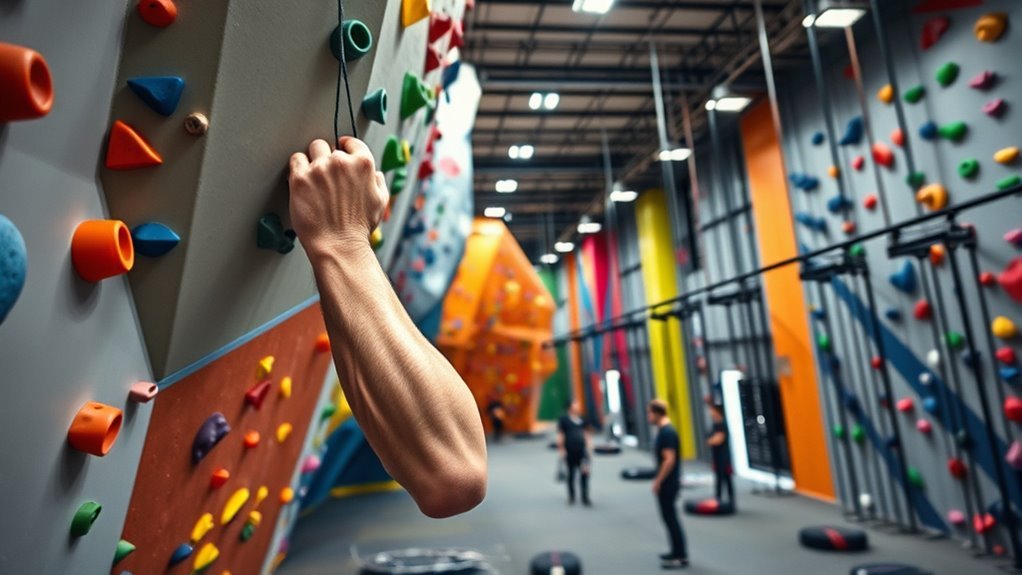
You’ll find climbing gyms costly mainly because they need large, high-ceiling spaces in prime locations, which drives up rent. These spaces aren’t easy to come by, and that alone bumps up the price you pay.
On top of that, gyms spend heavily on utilities, maintenance, and frequent equipment upgrades to keep you safe. It’s not just about setting up walls; it’s about making sure everything stays in tip-top shape.
Staff salaries and insurance costs also add up due to the risks involved. All these factors combine to make prices steep. But hey, there are smart ways gyms try to make climbing more affordable if you want to discover them.
The High Costs Behind Climbing Gym Operations
While climbing gyms offer exciting and challenging experiences, running one involves steep costs you might not expect. Climbing gym costs include high commercial real estate prices since you need large, high-ceiling spaces.
Operational expenses pile up quickly with utilities, gym maintenance, and equipment upgrades to keep the facility safe and appealing. Route setting demands regular updates and replacements of walls and holds, adding to expenses.
Insurance premiums are particularly high due to the risks of falls and injuries, making coverage pricey. You also have staff payroll to contemplate—trained instructors and safety supervisors are essential for smooth operations.
Meeting safety compliance standards requires ongoing investment, ensuring your gym remains a secure environment. All these factors combine and drive up the overall costs of running a climbing gym.
Exploring Solutions to Make Climbing More Affordable
Because climbing gyms face high operational costs, finding ways to make climbing more affordable requires innovative solutions that benefit both gyms and climbers. You can look for local gyms offering sliding scale memberships or PWYC climbing options, which increase accessibility by allowing you to pay based on your financial situation.
Some gyms even offer volunteer-based memberships, letting you exchange hours of service for reduced membership prices or free access. Affordable climbing programs promoted through community engagement with nonprofits and schools help reach lower-income individuals effectively.
Additionally, gyms can provide discounted day passes or limited access during off-peak hours, reducing operational costs without compromising quality. By embracing these strategies, climbing gyms can balance sustainability with affordability, making the sport accessible to more people like you.
Conclusion
You might think climbing gyms, with their towering walls and padded floors, would be cheap playgrounds for all. Ironically, those same walls come with steep bills—equipment upkeep, rent, and staff salaries add up fast.
So, while you’re scaling to new heights, the costs are climbing too. But don’t lose hope; with creative solutions and community support, you just might find a way to reach the top without emptying your wallet.
Climbing gyms can seem expensive, but understanding why helps. The high costs cover safety measures, regular maintenance of climbing holds and ropes, and the skilled staff who keep everything running smoothly. Plus, rent and utilities for large spaces aren’t cheap either.
That said, many gyms offer discounts, memberships, and special events to make climbing more affordable. By getting involved with the climbing community and keeping an eye out for deals, you can enjoy this fun, challenging sport without breaking the bank. So keep climbing—you’ll find ways to save and still reach new heights!