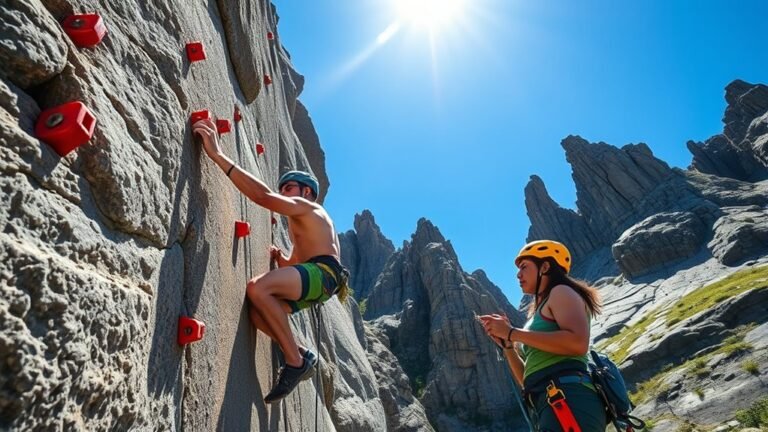

What to Wear for Indoor Rock Climbing: Top 5 Outfits
For indoor rock climbing, it’s key to wear fitted, breathable tops like tank tops or performance tees. These help you stay sweat-free and agile while you climb.
Pair them with flexible, form-fitting pants or longer shorts that won’t snag or ride up during your moves.
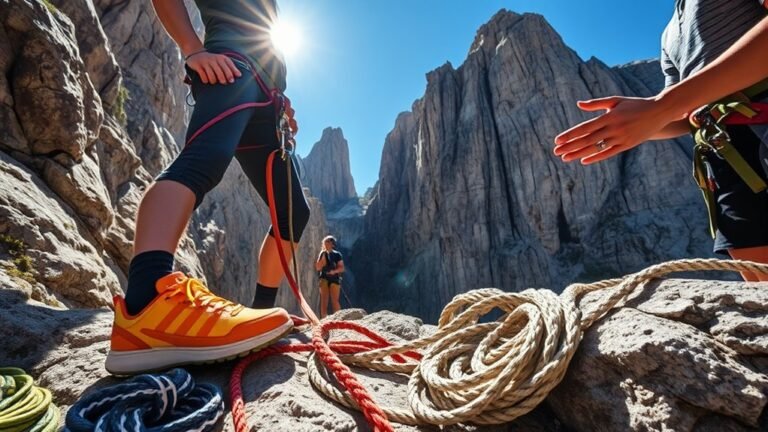
You’ll want snug, comfortable climbing shoes that offer excellent grip and support on holds.
Don’t forget essential gear like a harness and a chalk bag to boost safety and grip.
Keep these basics in mind for a better climb—and check out how you can elevate your outfit and gear even more for a top-notch indoor climbing experience.
Key Takeaways
- Wear fitted, breathable tops like tank tops or performance T-shirts to stay comfortable and prevent snagging during climbs. They really help you move freely without any annoying bunching.
- Choose flexible, form-fitting climbing pants or longer shorts for full motion and protection without riding up. You’ll want something that moves with you, not against you.
- Use snug, comfortable climbing shoes with rubber soles for optimal grip and precise foot placement. Trust me, the right shoes make a huge difference.
- Avoid baggy clothing, jewelry, and cotton fabrics to reduce sweat buildup and safety hazards. These things can get in the way or cause problems while you climb.
- Carry essential gear like a climbing harness and chalk bag to enhance safety and grip performance. Having these on hand keeps you ready and safe throughout your climb.
Clothing Tips for Indoor Climbing Tops
When you choose your indoor climbing top, go for fitted, breathable options like tank tops or performance T-shirts that let your arms move freely and keep you comfortable. Climbing clothes should never be baggy or loose because they can snag on holds or ride up as you climb.
Opt for breathable tops made from lightweight, moisture-wicking fabrics to manage sweat and keep you dry throughout your session. If you prefer extra protection, long-sleeved tops can shield your arms from scrapes and abrasions without restricting movement.
Choose climbing clothes that stay securely in place, minimizing the need for adjustments when you stretch or reach. By focusing on these features, you’ll improve your climbing experience with comfort and functionality in every move.
Pants or Shorts? Choosing Bottoms for Climbing
Although your choice between pants and shorts depends on personal preference, selecting bottoms that offer flexibility and protection is essential for indoor climbing. Choose climbing pants made from stretchy, durable materials that provide a full range of motion without restricting your movements.
Pick flexible, durable climbing pants that allow full movement and protect during indoor climbs.
These pants should be form-fitting to avoid getting caught on holds or interfering with your harness. If you prefer shorts, opt for longer ones—mid-thigh or knee-length—to protect your knees and keep fabric from riding up during climbs.
Breathable, moisture-wicking materials help keep you comfortable and dry throughout intense sessions. Avoid baggy or loose-fitting bottoms, as they can cause distractions or hazards.
Prioritizing flexibility, durability, and comfort guarantees you can focus fully on your climb without gear getting in the way.
Selecting the Right Indoor Climbing Shoes
Because your feet play a crucial role in climbing, selecting the right indoor climbing shoes is essential for maximizing grip and control. Choose climbing shoes that fit snug-fitting without causing pain—too loose, and you’ll lose precision; too tight, and discomfort will distract you.
Most climbers start by renting shoes, but investing in your own pair with rubber soles enhances friction and support on tricky holds.
| Feeling | Why It Matters |
|---|---|
| Snug-fitting | Prevents slipping, boosts grip |
| Comfortable | Maintains focus, avoids pain |
| Supportive soles | Provides stability on holds |
Aim for shoes that balance these qualities so you can climb confidently and comfortably every session.
Must-Have Gear and Accessories for Indoor Climbing
Picking the right climbing shoes sets a strong foundation for your indoor climbing experience, but there’s more gear that can boost your performance and safety.
A climbing harness is essential; it securely attaches you to the rope and belay system, keeping you safe during climbs. Don’t forget a chalk bag filled with magnesium carbonate—it helps keep your hands dry and improves your grip on holds.
While climbing shoes enhance your foot placement and precision, the harness and chalk bag complement your control and security. Optional gear like helmets and gloves can add protection depending on the route or your comfort preferences.
Together, these must-have accessories ensure you climb confidently and safely indoors.
Common Clothing and Gear Mistakes to Avoid
If you want to climb safely and comfortably, avoid wearing baggy clothes or jewelry that can snag on holds or ropes. These safety hazards not only slow you down but also increase injury risks.
Opt for fitted, breathable fabrics instead of cotton that traps sweat. Don’t substitute climbing shoes with regular sneakers; specialized shoes provide the grip and precision you need.
Avoid long, flowy tops or accessories that restrict your movement and flexibility.
| Mistake | Why It’s a Problem |
|---|---|
| Baggy clothes | Can snag and cause safety hazards |
| Wearing jewelry | Risk of snagging and injury |
| Cotton clothing | Retains moisture, reduces grip |
| Regular sneakers | Poor grip, less climbing control |
| Flowing tops/accessories | Restrict movement and flexibility |
Frequently Asked Questions
What Do People Wear for Indoor Rock Climbing?
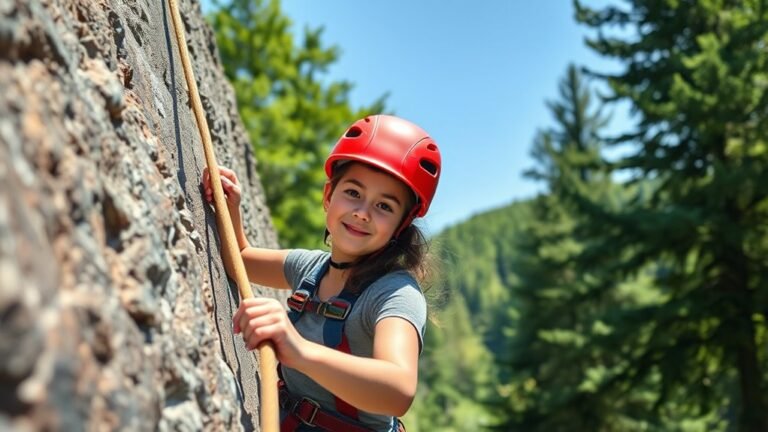
You wear fitted, flexible clothes like athletic shirts and leggings to move freely. You’ll need snug climbing shoes with rubber soles and moisture-wicking fabrics to stay dry. Avoid baggy clothes, jewelry, and keep your hair tied back.
Should I Wear Pants or Shorts for Indoor Rock Climbing?
You can wear either pants or shorts; it depends on your comfort and the gym’s temperature. Choose stretchy, form-fitting clothes to move freely. Pants protect against scrapes, while shorts keep you cooler during intense climbs.
Is There a Dress Code for Rock Climbing?
You won’t find a strict dress code for rock climbing, but don’t throw caution to the wind. Wear flexible, moisture-wicking clothes that fit well, avoid loose accessories, and prioritize safety and comfort for the best experience.
What to Wear for Beginner Rock Climbing?
You should wear flexible, moisture-wicking clothes like fitted T-shirts and stretchy pants or shorts. Avoid baggy items, remove jewelry, and wear climbing shoes. Layer up with breathable tops to stay comfortable during your climb.
Conclusion
You might think indoor climbing is just about strength, but what you wear can make or break your session. While tight, restrictive clothes feel like armor, breathable, flexible outfits move with you like a second skin.
Choosing the right shoes isn’t just about style—it’s about grip and comfort. Don’t let poor gear turn your climb into a struggle.
With the right clothes and accessories, you’ll climb smarter, not harder, every time you hit the wall. Remember, picking breathable fabrics and flexible gear is key for indoor rock climbing. So, invest in comfortable shoes and outfits that support your movement. This way, your climbing experience will not only be safer but way more enjoyable too.