5 Essential Tips on What to Wear for Rock Climbing
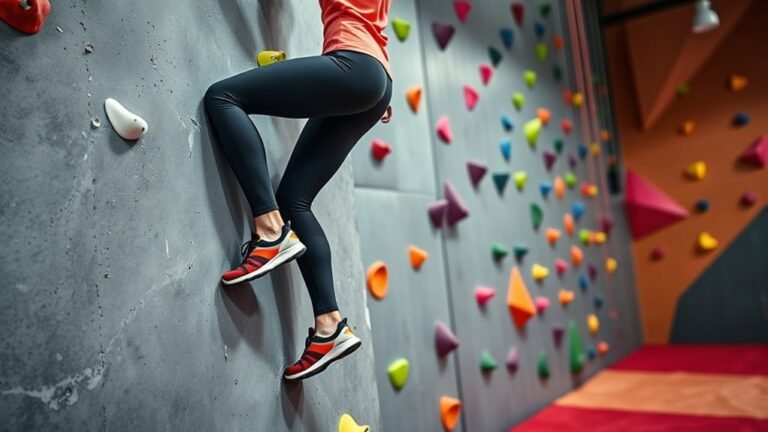
Choose flexible, breathable clothing that moves with you, like moisture-wicking shirts and stretchy pants. These types of clothes help keep you comfortable and dry as you climb.
Picking the right gear is key to enjoying your rock climbing experience.
Pick climbing shoes that fit snugly and provide good traction. Avoid restrictive or loose clothes that limit movement or snag on holds. You want to feel free and secure with every move you make.
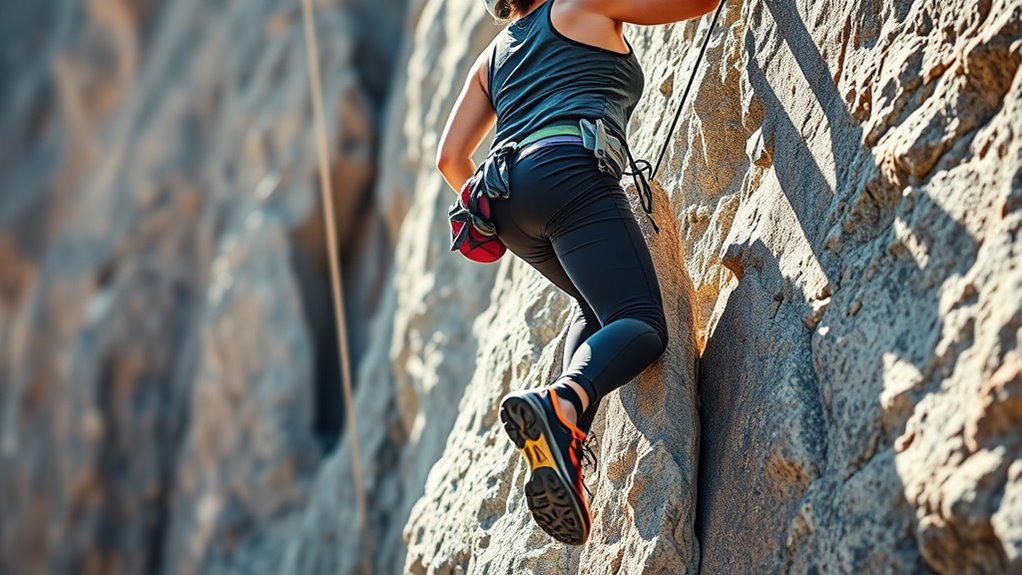
Use safety gear like a proper harness, helmet, and a chalk bag, and tie back long hair to stay safe.
Layer your clothes to manage temperature during climbs. Keep these tips in mind to gear up confidently and climb smarter.
Choose Flexible and Breathable Clothing
When you choose flexible and breathable clothing, you’ll stay comfortable and agile during your climb. Opt for moisture-wicking shirts made from synthetic fibers or merino wool to keep sweat off your skin and maintain dryness.
Select athletic clothing designed with breathable fabrics that promote ventilation and regulate your body temperature effectively. Make sure your pants, leggings, or shorts offer a full range of motion, allowing you to move freely without restriction.
Choose breathable athletic wear that enhances ventilation and offers unrestricted movement for optimal climbing performance.
Avoid loose or baggy clothes that can snag on holds or interfere with foot placement. Look for ergonomic design features like mesh panels or ventilation inserts to boost airflow.
Prioritizing these elements guarantees you stay cool, dry, and unrestricted, helping you focus on your climbing without distractions from your attire.
Select Proper Climbing Footwear
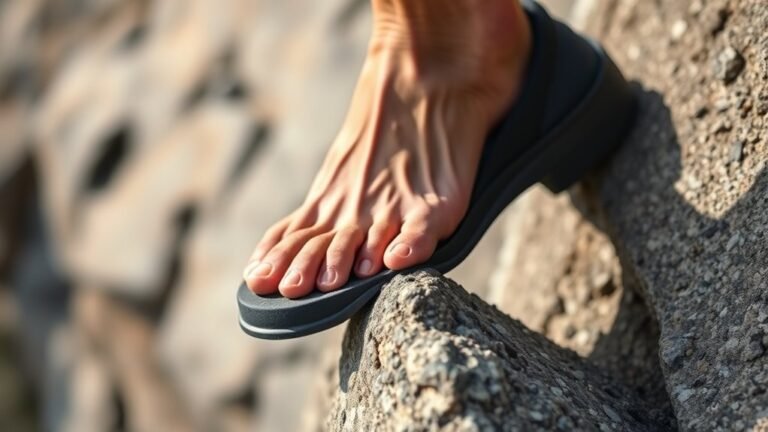
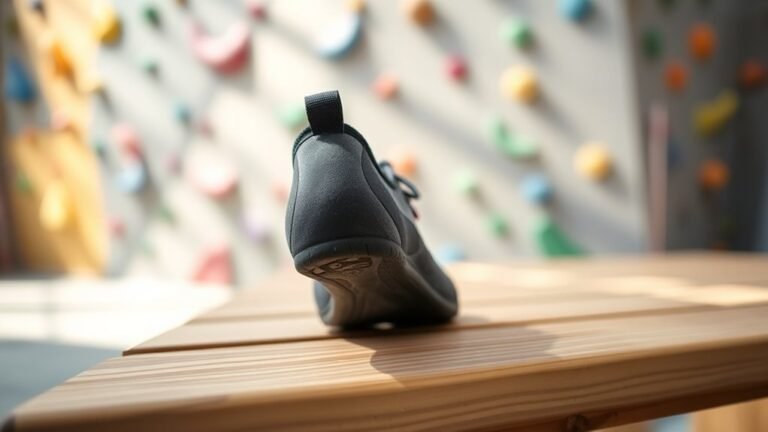
Because your feet play a crucial role in climbing, selecting proper footwear is essential for both performance and safety. Choose climbing shoes that fit snugly without causing pain, ensuring you get the right balance of grip and support for precise foot placements.
Whether you’re indoor climbing or tackling outdoor routes, shoes designed specifically for climbing feature rubber soles that enhance traction. You can rent or buy these shoes, but make sure they’re tailored to your foot shape and climbing style.
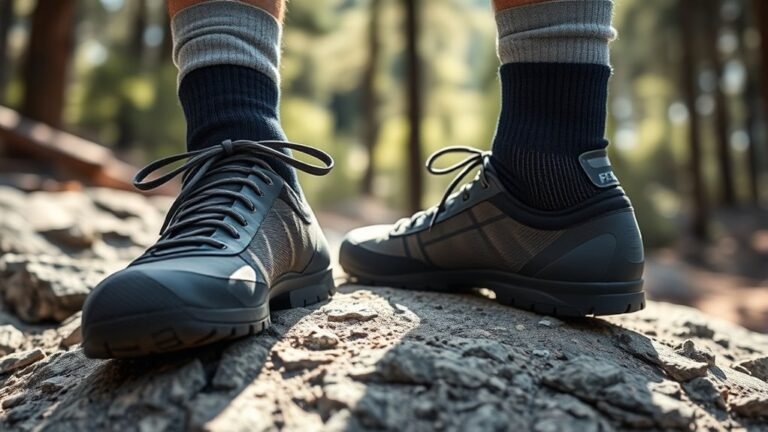
Neutral shapes work well for beginners, while aggressive ones suit advanced climbers. Wearing climbing shoes without socks is common, though thin socks can help prevent blisters.
A proper fit improves your endurance, safety, and overall climbing experience, so take the time to select shoes that truly match your needs. It’s worth the effort to find the right pair!
Avoid Restrictive or Loose Attire
Selecting the right climbing shoes sets you up for success, but your clothing plays an equally important role in how well you move on the wall.
Avoid restrictive clothing like tight jeans or non-stretchy pants, as they cause movement restriction and limit your hip and leg mobility. This can really hold back your climbing performance.
At the same time, steer clear of loose garments that can catch on holds or gear, creating safety hazards. Overly baggy fabric can also block your view of footholds and handholds, which reduces your precision.
To climb effectively, wear flexible clothing that allows full extension of your arms and legs. By choosing attire that balances comfort and freedom of movement, you’ll enhance your climbing performance and stay safer throughout your climb.
Use Practical Accessories for Safety
To stay safe and maintain control during your climb, make sure you use practical accessories designed for climbing. Always wear a properly fitted climbing harness and climbing helmet; these safety accessories protect you during unexpected falls or bumps.
Use a fitted climbing harness and helmet to protect yourself from falls and bumps during your climb.
Carry essential climbing gear like a lightweight, secure chalk bag to keep your hands dry and improve grip. Tie back long hair with a hair tie or headband to keep your vision clear and avoid entanglement.
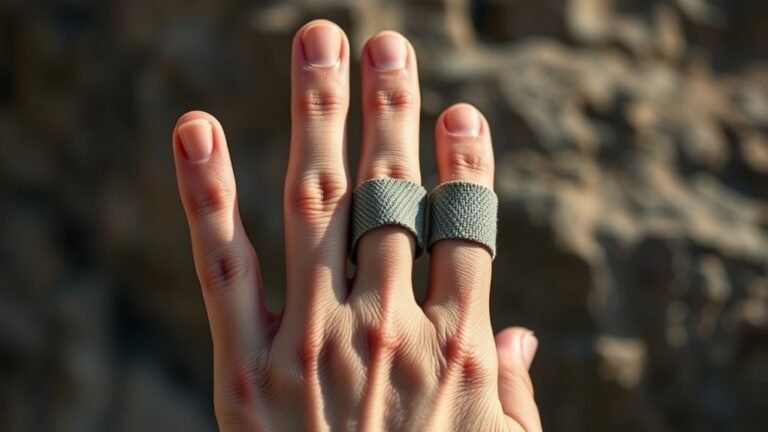
Avoid wearing jewelry that can snag or cause injury. Lightweight gloves can be useful but use them only if necessary—skin contact with holds usually offers better grip and control.
Prioritizing these practical accessories will boost your safety and confidence on the wall. It’s all about keeping things simple and effective.
Layer Your Clothing for Comfort
When you climb, layering your clothing lets you quickly adjust to changing temperatures and activity levels. Start with a moisture-wicking base layer made of synthetic fibers or merino wool to keep sweat off your skin.
Add insulating mid-layers like fleece or lightweight down jackets to retain warmth without limiting movement. Finally, wear a weather-resistant outer shell—such as a softshell or hardshell jacket—to shield yourself from wind, rain, or cold drafts.
This layering system helps you manage your body temperature effectively, so you stay comfortable throughout your climb. With the right climbing clothes, you can easily add or remove layers as needed.
That way, you avoid overheating or chills during extended sessions. Layering ensures you remain comfortable regardless of shifting weather conditions.
Conclusion
Now that you know how to dress for rock climbing, are you ready to climb with confidence and comfort? Choosing flexible, breathable clothes and the right shoes guarantees you move freely and stay safe.
Avoid loose or restrictive gear, and don’t forget practical accessories to protect yourself. Layering keeps you comfortable in changing conditions.
With these tips on what to wear for rock climbing, you’ll be prepared to tackle any climb. So get out there, embrace the challenge, and conquer that rock wall with ease!