What Is Called Climbing?
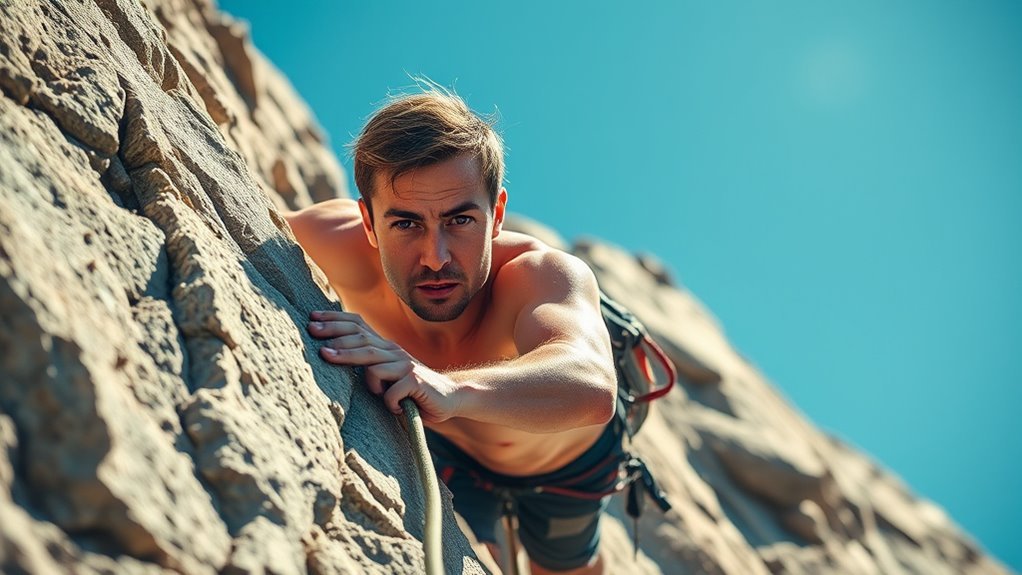
You call it climbing when you use your strength and skill to move up natural rock faces or artificial walls. Climbing involves different styles and techniques, each with its own gear and challenges.
Whether you’re scaling a rugged cliff or a smooth indoor wall, it’s all about mastering movement and safety.
You’ll use different styles like trad climbing, where you place your own gear, or sport climbing that relies on pre-set anchors. Sometimes, you might even use aid climbing gear to help you progress.
Mastering proper gear handling and movement techniques is key to staying safe.
As you explore further, you’ll discover the gear and skills that fit your style best. Keep practicing, and climbing will become second nature!
Key Takeaways
– Climbing is the activity of ascending natural or artificial rock formations using physical and technical skills.
It’s a fun way to challenge yourself both mentally and physically.
– It includes various styles such as trad, sport, and aid climbing, each with different techniques and gear.
Each style has its own unique approach, so there’s something for everyone.
– Trad climbing involves placing removable protection on natural routes during ascent.
You basically carry your own gear and set it up as you go.
– Sport climbing uses fixed anchors and quickdraws to focus on movement and speed.
This style lets you really concentrate on your climbing technique without worrying too much about protection.
– Aid climbing employs gear to assist the climber in ascending difficult routes where free climbing is not possible.
So if a route is too tough to climb by just using your hands and feet, aid climbing helps you get up with the help of equipment.
What Is Climbing? Exploring Its Main Types and Styles
Although climbing might seem straightforward, it actually covers a variety of styles and techniques that challenge you in different ways.
When you explore rock climbing, you’ll encounter various styles like trad climbing, sport climbing, and aid climbing. Each one demands unique skills and climbing gear.
Trad climbing requires you to place and remove protection as you ascend natural routes. It relies heavily on your judgment and gear placement.
Sport climbing, on the other hand, uses pre-installed anchors and quickdraws. This lets you focus more on movement and speed.
Aid climbing is different because it uses gear to help you climb rather than just for safety.
Understanding these climbing styles helps you appreciate the diversity of techniques and the importance of proper protection on every route you tackle.
Essential Climbing Techniques and Gear for Beginners
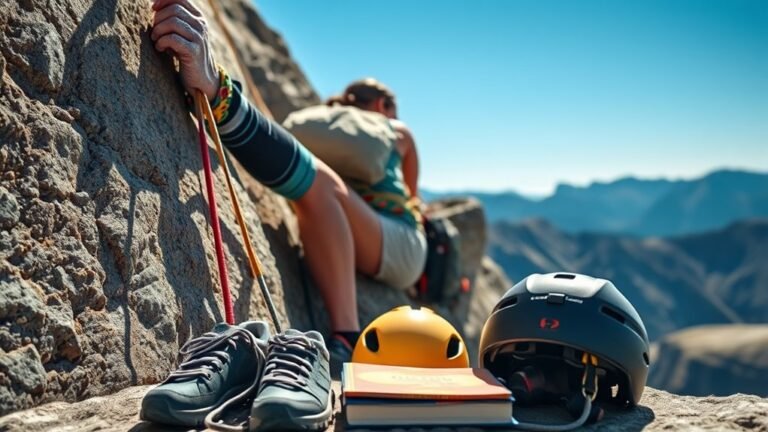
Once you grasp the different climbing styles, the next step is to get familiar with the techniques and gear that will keep you safe and effective on the wall. Essential climbing gear includes a harness, climbing shoes with sticky soles, ropes, carabiners, and a belay device.
Mastering knotting techniques, like the figure-eight knot, is crucial to tie in securely. You’ll also need to learn proper belaying skills to manage rope tension and protect your partner.
Focus on climbing techniques that emphasize maintaining three points of contact and precise footwork to conserve energy. Using protection correctly ensures safety on challenging routes.
Starting with indoor climbing or bouldering helps you build confidence with belaying, gear handling, and fundamental movements before tackling outdoor climbs.
Frequently Asked Questions
Is Climbing Good for Osteoarthritis?
Yes, climbing can be good for osteoarthritis if you do it carefully. It strengthens muscles, improves joint flexibility, and reduces stiffness. Just make sure you consult your doctor first to tailor it safely to your needs.
What Does Climbing Mean?
You climb when you actively ascend vertical surfaces using your hands and feet. Did you know climbing engages over 200 muscles? It’s a full-body workout that challenges your strength, balance, and focus every step of the way.
Can Climbing Cause Plantar Fasciitis?
Yes, climbing can cause plantar fasciitis if you put repetitive strain on your heel and arch. Wearing poor footwear, skipping stretches, or overusing your feet increases your risk, especially if you have tight calves or prior foot issues.
Does Rock Climbing Help With Osteoporosis?
Yes, rock climbing helps with osteoporosis by increasing your bone density through weight-bearing exercise. It strengthens your bones, improves balance, and reduces fall risk, making it an effective activity to maintain healthy skeletal structure.
Conclusion
Now that you’ve uncovered the basics of climbing, imagine yourself like a modern-day Hercules, conquering heights with skill and courage. Whether you’re scaling rocky cliffs or indoor walls, climbing challenges you to push limits and trust your instincts.
Embrace the journey with the right techniques and gear, and you’ll find not just a sport, but a thrilling adventure that strengthens both body and spirit. Climbing isn’t just about reaching the top—it’s about the climb itself, building confidence, endurance, and focus every step of the way.
Ready to take that first step? With climbing, you’re stepping into a world of excitement and personal growth. So grab your gear, trust your instincts, and start your adventure today!