What Is Free Climbing in Rock Climbing
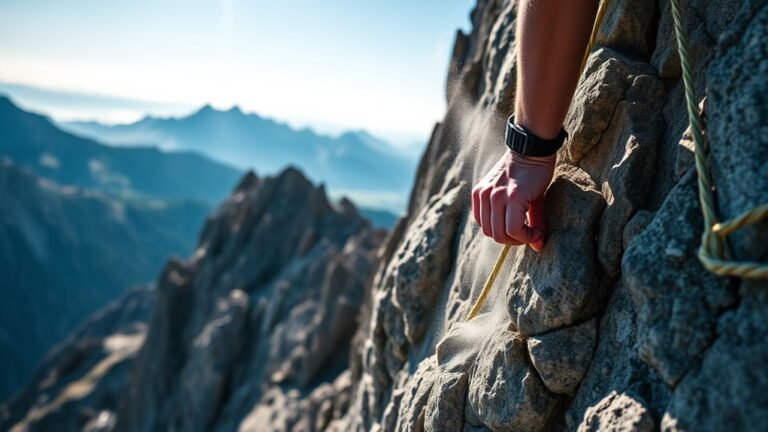
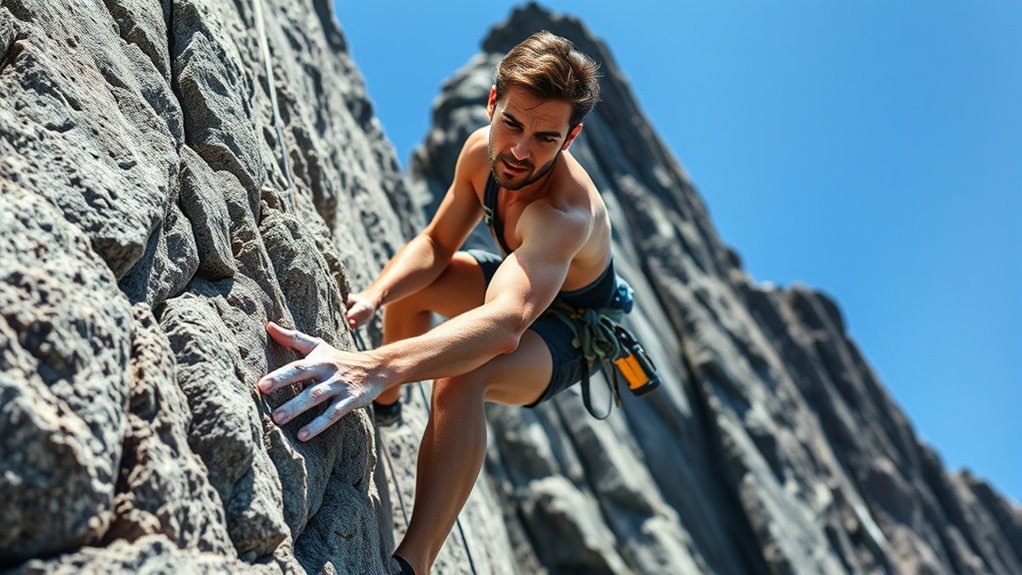
Free climbing means you use only your hands and feet to move up a rock face, relying on your body’s strength and skill without pulling on any gear. It’s all about using your natural ability to climb, not the equipment.
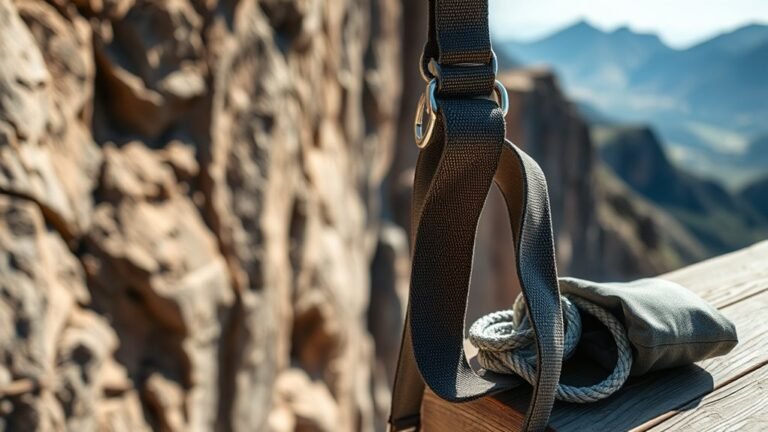
Protection devices are there just to catch you if you fall, not to help you climb.
You might try styles like sport climbing or bouldering, each with unique techniques and gear use.
Sport climbing uses ropes and bolts for safety, while bouldering is done on shorter walls without ropes.
Keep exploring, and you’ll discover more about how each style challenges your skill and nerve.
Key Takeaways
- Free climbing uses only hands and feet for upward movement without mechanical aids. Protection gear is used solely to prevent falls, not to assist climbing progress.
- The focus is on skillful, natural movement using the rock’s natural holds. It’s all about using what’s there on the rock itself.
- Free climbing includes styles like sport climbing, traditional climbing, and bouldering. These all fall under the same free climbing umbrella.
- It contrasts with aid climbing, which relies on gear to help ascend. So, with free climbing, your own strength and technique do the work.
What Exactly Is Free Climbing?
What makes free climbing unique is that you rely solely on your hands and feet to ascend, without using mechanical aids to help you move upward. In free climbing, you focus on natural holds for movement without aid.
You use protection devices and safety equipment only to prevent falls, not to assist your climb. Whether you’re tackling sport climbing or traditional climbing routes, the goal remains the same: ascend through skillful movement.
Free solo climbing takes this a step further by eliminating ropes altogether. First free ascents mark important milestones when climbers conquer routes without aid for the first time, highlighting pure technique and strength.
Unlike aid climbing, where gear aids your progress, free climbing challenges you to rely on your own power and skill. It’s all about what you can do with your own body and mind.
How Free Climbing Styles Differ
Although all free climbing styles share the goal of ascending using only your hands and feet, they differ considerably in how protection is used and the techniques involved.
Free climbing styles all rely on hands and feet but vary widely in protection and technique.
In sport climbing, you clip into pre-placed bolts for protection, allowing you to focus on movement without placing gear. Traditional climbing, on the other hand, requires you to place removable gear as you ascend, demanding more skill and caution.
Bouldering is unique; it involves short, powerful problems without ropes or protection, emphasizing strength and technique. Free soloing pushes free climbing to its extreme by climbing without any protection, relying solely on your skill and nerve.
Unlike aid climbing, where gear assists your progress, these free climbing styles use protection only for safety, not to aid upward movement. Understanding these differences helps you choose the right style for your goals.
Frequently Asked Questions
How Risky Is Free Climbing?
Free climbing is quite risky because you rely on your skill and protection placements to prevent falls. You can face serious injury or death, especially on difficult or exposed routes, so managing risk is essential.
Does Free Climbing Mean No Ropes?
No, free climbing doesn’t mean no ropes. You use ropes for safety, not to help you climb up. You rely on your strength and skill, while ropes catch you if you fall, keeping you protected.
What Is the Difference Between Bouldering and Free Climbing?
Ever tried climbing a short, powerful route without ropes? That’s bouldering. In contrast, free climbing uses ropes on longer routes, relying on your skill to ascend without aid, while bouldering focuses on strength and technique close to the ground.
What’s the Difference Between Free Climbing and Free Soloing?
You’ll use ropes and safety gear in free climbing, but free soloing means climbing completely alone without any protection. So, free climbing prioritizes safety, while free soloing embraces serious risk with no backup.
Conclusion
When you free climb, you’re not just scaling rock—you’re dancing with it, trusting every hold like a secret handshake between you and the mountain. Each move is a heartbeat, a rhythm that flows from your fingers to your feet.
Free climbing strips away the noise, leaving only you, the rock, and the sky. So, embrace the climb—not just as a challenge, but as a conversation where every step tells your story.
Free climbing in rock climbing is all about relying on your skill and strength without using gear for upward progress. It’s a pure, thrilling connection with the rock face, where you trust your abilities and the natural holds. This style makes every climb a personal journey, blending technique, mental focus, and physical effort. So, when you free climb, you’re truly experiencing the essence of rock climbing—authentic, challenging, and deeply rewarding.