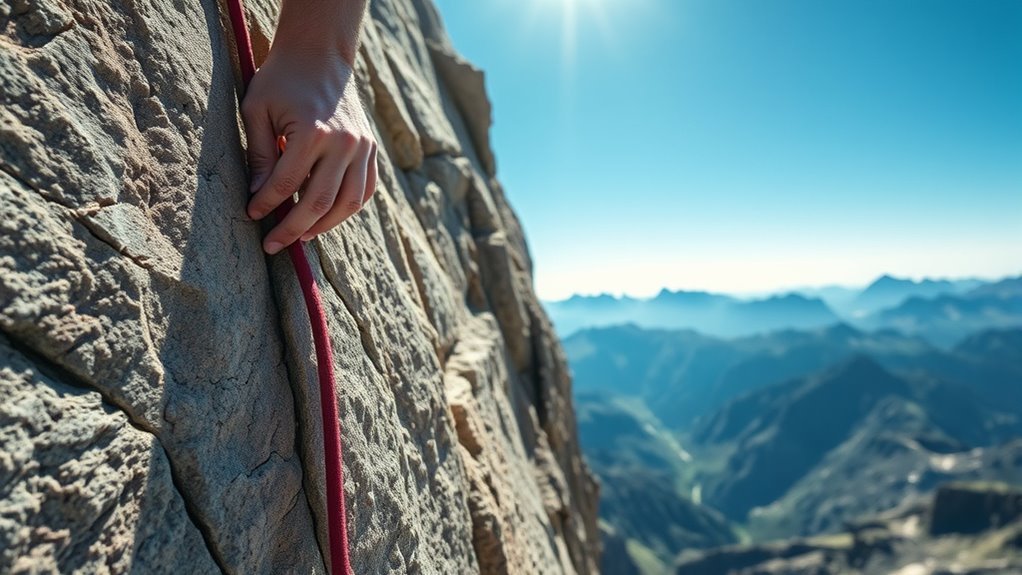
What Does Trad Mean in Climbing: A Beginner’s Guide
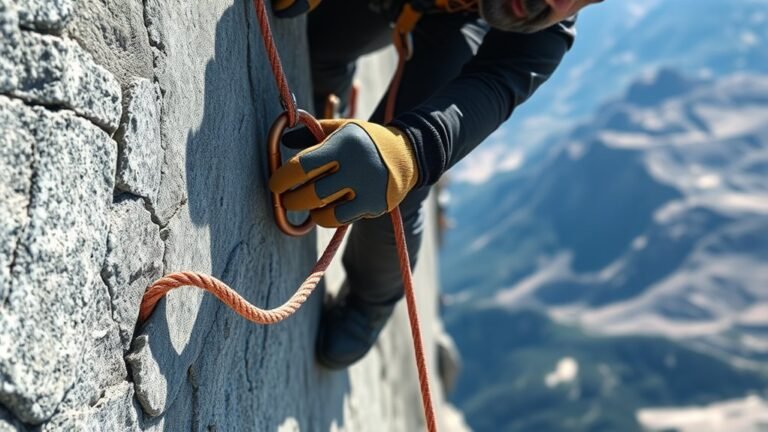
In trad climbing, you place removable gear like nuts and cams into natural rock features to protect your climb, rather than relying on permanent bolts. This style of climbing is all about using your own equipment to keep safe as you move upward.
You’ll manage your own gear, build anchors, and navigate the route as you go. It’s a skill-intensive, gear-heavy adventure that lets you connect deeply with the rock and wilderness.
If you’re curious about the essential gear and skills to get started, there’s plenty more to explore ahead. Trad climbing is a rewarding challenge for beginners ready to learn and embrace the outdoors.
Key Takeaways
- Trad climbing involves placing removable protection gear like nuts and cams into natural rock features for safety. Unlike sport climbing, trad climbing requires climbers to place and remove their own gear without relying on pre-installed bolts.
- It emphasizes route-finding, anchor building, and self-reliance on often multi-pitch, natural terrain. So, you really have to know what you’re doing out there.
- Essential beginner gear includes nuts, cams, a nut tool, helmet, harness, belay device, and climbing shoes. These are the basics you’ll need to get started safely.
- Beginners must learn proper gear placement, secure anchors, safe removal, partner communication, and knot tying. These skills are super important to climb confidently and stay safe.
What Is Trad Climbing and How Is It Different?
What sets trad climbing apart from other styles? In trad climbing, you place removable protection gear like nuts and cams into natural features on the rock to keep yourself safe.
Unlike sport climbing, which relies on pre-installed bolts, trad climbing demands careful route-finding, precise gear placements, and anchor building as you ascend. This means you’re actively managing your protection system, adapting to varying climbing grades and terrain.
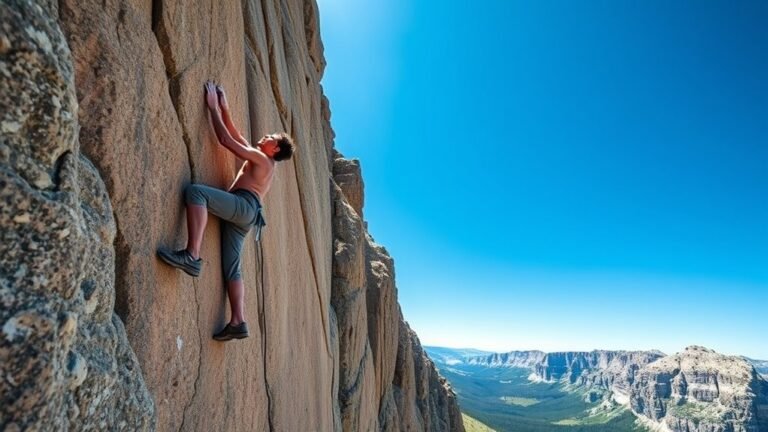
Trad routes often involve multi-pitch climbs, requiring you to be strategic and self-reliant throughout the climb. The focus on wilderness climbing provides a unique, immersive experience where you depend on your skills rather than fixed hardware.
If you value a more natural, gear-intensive challenge, trad climbing offers a rewarding adventure rooted in trust between you, your gear, and the rock.
Essential Trad Climbing Gear and Skills for Beginners
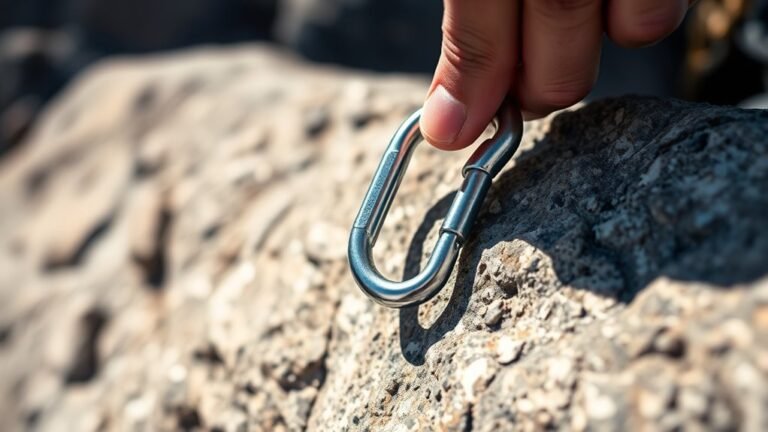
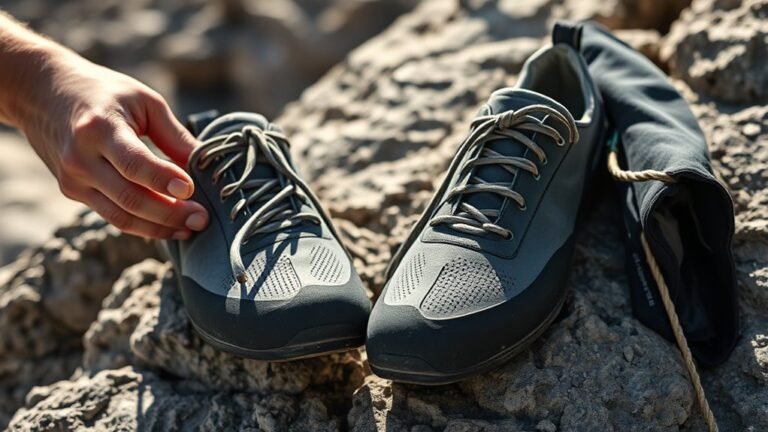
Since trad climbing relies heavily on your ability to place and remove protection gear, starting with a basic trad rack—nuts, cams, and a nut tool—is essential for beginners. Alongside these, you’ll need safety gear like a helmet, harness, climbing shoes, and a belay device.
Developing key climbing skills such as gear placement, building anchors, and gear removal ensures safety on the wall. Knowing different protection types and practicing partner communication, knot tying, and rappelling rounds out your beginner trad rack essentials.
| Trad Climbing Gear | Purpose |
|---|---|
| Nuts and Cams | Protection placement |
| Nut Tool | Gear removal |
| Helmet & Harness | Safety gear |
| Belay Device & Shoes | Control and traction |
Frequently Asked Questions
What Does Trad Mean in Climbing?
Trad means you place and remove your own protective gear as you climb, relying on natural rock features. You won’t use fixed bolts, so you’ll need solid skills in route-finding and gear placement for safety.
What Is Trad Climbing for Dummies?
Trad climbing means you place your own removable gear into rock cracks as you climb, protecting yourself without permanent bolts. You’ll need to learn how to find safe spots, place gear, and manage your safety carefully.
How Hard Is Trad Climbing?
You’ll face intense mental and physical challenges; trad climbing is definitely tougher than sport climbing. It demands sharp skills, precise gear placement, and managing risk, so you’ll quickly realize it’s not for the faint-hearted beginner.
What Is the Trad Grade in Climbing?
The trad grade shows how tough a route is, combining technical moves and protection difficulty. You’ll see numbers like 5.9 or 5.12, sometimes with letters or words, helping you gauge if the climb suits your skill level.
Conclusion
Now that you know trad climbing means placing your own protection as you climb, you’re ready to start exploring this thrilling style. Did you know that trad climbers often carry over 30 pounds of gear, like cams and nuts, to keep themselves safe?
It’s like carrying a tiny toolbox on your back while scaling a vertical puzzle. With the right skills and gear, you’ll climb smarter and safer—ready to conquer each route on your own terms.
Trad climbing is all about self-reliance and adventure. By learning how to place protection properly and manage your gear, you’re not just climbing—you’re mastering a style that challenges both your body and mind. So, embrace the excitement of trad climbing, and get ready to experience the climb in a whole new way!